Pashinyan on the Return of Prisoners
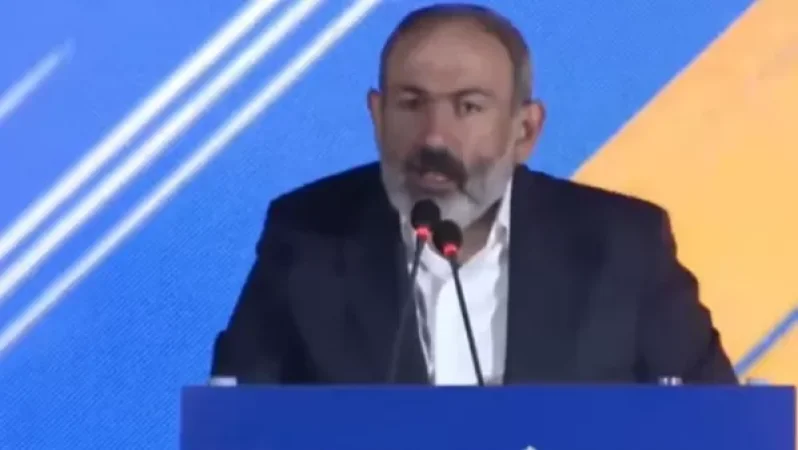
The acting Prime Minister of Armenia and head of the election list of the "Civil Contract" party, Nikol Pashinyan, has no doubt that all captured Armenian soldiers will return from Azerbaijan. At the same time, he rules out any change in the status of Armenia's sovereign territories in the context of opening communications.
Pashinyan stated this during the final election rally of the "Civil Contract" party in Republic Square. "In the coming 5 years, we plan to construct 2,600 km of roads, begin or finish the construction of 15 new reservoirs, and ensure Armenia's railway communication with the Russian Federation, Iran, and thus the entire world. I want to reiterate that in this context, our government has not discussed, is not discussing, and will not discuss any corridor logic. We exclude any change in the status of Armenia's sovereign territory in the context of opening communications," Pashinyan assured.
He emphasized that the statements made by Azerbaijan and Turkey regarding the acquisition of a corridor through Armenian territory can hardly be called anything other than absurd. "We have expressed our position very clearly—that the economic communications of the region must be unblocked, and in this sense, transit and communication routes will provide countries with equal and proportional opportunities, as described in the January 11, 2021 statement from Moscow. Armenia is determined to consistently move forward to implement the provisions of this statement," he said.
Pashinyan underlined that today, the aggressive statements from Azerbaijan, its unconstructive position, particularly the fact that Azerbaijan continues to make territorial claims against Armenia, specifically regarding the return of captured Armenian soldiers, hinder this outlook.
“Nevertheless, the return of our 15 prisoners a few days ago inspires hope that we will soon see significant changes in the regional atmosphere. There is no doubt that all our captured brothers will return to the homeland very soon,” he said, stressing the importance of humanitarian issues being resolved as quickly as possible.
Another urgent issue in the security sector, according to Pashinyan, is the situation in the Sotk-Khoznavar section of the Armenian-Azerbaijani border. "All our international partners share our view that Azerbaijani military units must withdraw from the territory of Armenia. Moreover, Armenia is ready to accept the proposals of international partners for the mirror withdrawal of troops, the deployment of Russian border guard posts along the border, and carrying out delimitation and demarcation work on the Armenian-Azerbaijani border under international supervision, starting exactly from the Sotk-Khoznavar section and then proceeding with the rest of the areas," he stated.
He called on the public not to fear the terms delimitation and demarcation, noting that this is a process followed by all independent states of the world. Pashinyan stated that this process should not be linked to the issue of Nagorno-Karabakh. "In terms of resolving the Nagorno-Karabakh issue, we fully accept the logic conveyed by the co-chairs of the OSCE Minsk Group in their statements that the Nagorno-Karabakh issue is unresolved and awaits a comprehensive and complete solution. Our conception of resolving this issue remains unchanged," he said.
He made it clear that the hatred towards Armenians in Azerbaijan not only remains a state policy but is also emphasized by examples such as the disgraceful monument to the war in Baku. "We must consistently concentrate international attention on these and similar facts, emphasizing that isolation for the sake of salvation is the only possible way for the objective and real resolution of the issue," said Pashinyan.
He considered the Armenian-Russian strategic allied relations as the cornerstone of security in international relations, noting that their development is among the priorities. In terms of regional security, he specifically highlighted the need to deepen cooperation with Iran and to start strategic dialogue, as well as the full re-engagement of the OSCE Minsk Group co-chairmanship in regional security matters.
Նմանատիպ հոդվածներ
Number of Participants at Robert Kocharyan's Rally Revealed by Informed Citizens Union
Ministry of Labor and Social Affairs Provides Clarification on Missing Persons Statistics
Traffic Organization Changes to Be Implemented on Tbilisi Highway

Notations Found on 'Honorary' Ballots at Armavir 14/29 Polling Station: 'Factinfo'
Ավելին Society բաժնից
Օրենքով գող կկալանավորվի. հայտարարվել է հետախուզում
Երևանից դեպի Սևան ուղղությամբ մի հատվածը ժամանակավորապես կփակվի

Գևորգ Պապոյանը ներկայացրել է էլեկտրական մեքենաների քվոտայի մնացորդները