Politics
What Are Electoral Offenses According to the Current Criminal Code? Rustam Badasyan Explains

The Acting Minister of Justice of the Republic of Armenia, Rustam Badasyan, has clarified the electoral offenses defined by the current Criminal Code on his Facebook page, taking into account misunderstandings regarding the subject. He noted that the newly adopted Criminal Code, available on the main page of www.arlis.am, will come into effect one year from now, on July 1, 2022.
The Acting Minister stated that the current Code defines several electoral offenses, including:
- Bribery: Offering or receiving bribes is prohibited. This includes both monetary means and any property, rights to property, securities, or any other advantages (such as employment opportunities or certain services). It is also illegal to promise, propose, or request these advantages. Importantly, a person receiving a bribe is exempt from criminal liability if they voluntarily report the bribery to law enforcement before the authorities become aware of it, provided this is done within a three-day period (Article 154.2, parts 1 and 2).
- Bribery Intermediation: This involves facilitating an agreement or the implementation of an already reached agreement between the giver and receiver of a bribe (Article 154.9).
- Combining Pre-Election Campaigning with Charity: It is a crime if, under the guise of charity, a candidate, a member of a party (or coalition), or an authorized person provides gifts, food, securities, or relevant products or services to voters under preferential conditions (Article 154.2, part 5).
- Coercing Participation in Pre-Election Campaigning: Forcing someone to participate in or abstain from participating in pre-election campaigning is considered a violation (Article 149.1).
- Coercion to Vote: Forcing a voter to vote in favor of or against a party (coalition) or to participate or abstain from elections, or voting multiple times or on someone's behalf, is prohibited (Article 154.2, part 3).
- Violating Voting Secrecy: This can occur by forcing a voter to disclose their vote or entering a voting booth unlawfully. Any attempt to determine a vote via photographing or recording it is also illegal (Article 154).
- Obstructing the Free Exercise of Voting Rights: This includes any intervention in the work of election commissions (Article 149).
- Voting Multiple Times or on Behalf of Another: This act can involve providing false data for voter registration or voting using forged documents (Article 153).
- Falsifying Election Results: This could occur through evident miscounting of votes or endorsing electoral documents with false data intended to alter election results (Article 150).
Նմանատիպ հոդվածներ

Pashinyan Reserves Republic Square for Four Days After Elections
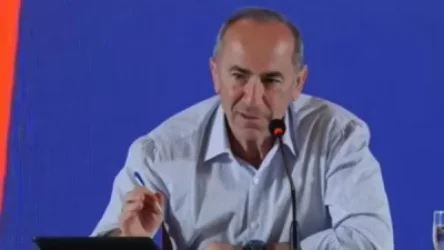
Robert Kocharian's Response to Godfather Proposal: 'It's Under Discussion'

I am shocked that we have generals in the army who have served for over 20 years and do not have housing, says Pashinyan
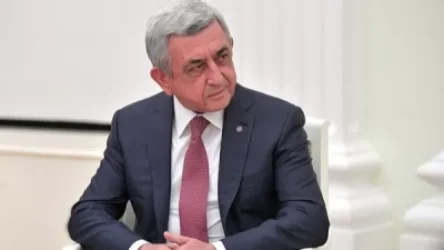
Serzh Sargsyan Refuses to Give Interview to Petros Ghazaryan
Ավելին Politics բաժնից

Իրենք ոչ ընտրվել են, ոչ էլ՝ հաղթել. Իշխան Սաղաթելյան
Ավելի լավ կլինի, եթե ընդդիմությունը չգա խորհրդարան. Ռուբինյան
1.0

Մոսկվան պահանջում է Եվրոպայից հեռացնել ամերիկյան միջուկային զինանոցը