Monopoly of DNA Identification Process Granted to Ministry of Health's State Institution, Enabling Supplier Company to Secure Excessive Profits
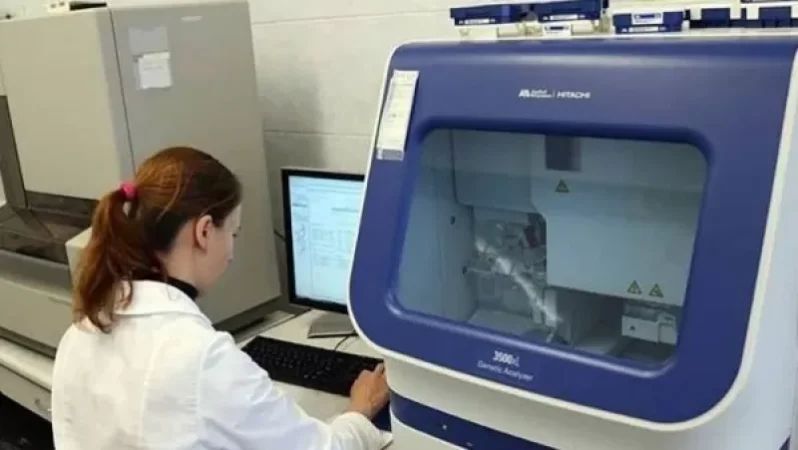
After an investigation that lasted more than four months, NEWS.am has uncovered significant information regarding the acquisition process of DNA identification equipment for the remains of war victims, which was carried out by the Ministry of Health's State Institution at the end of last year.
In earlier publications, NEWS.am has addressed the application of the acquired equipment and presented professional justifications regarding potential risks emerging during DNA identification examinations, as well as questioning the effectiveness of the second workflow.
However, our research revealed that while organizing this crucial process for the state and relatives of victims, the responsible officials did not only fail to consider important professional nuances but also granted a monopoly on the DNA identification process to the Ministry of Health's State Institution, which, in turn, ensured excessive profits for the supplying company through an urgent purchase.
We present the details of this dubious transaction in a detailed sequence backed with facts.
According to the data in the state procurement system, the Ministry of Health's State Institution "Forensic Medicine Scientific Practical Center" declared a competition in December of last year for the procurement of analytical devices and supplies intended for DNA identification examinations under the conditions of martial law. Two companies participated in this tender: "Medisar" LLC, engaged in the import and supply of laboratory equipment and chemicals, and "Prom-Test" LLC, involved in laboratory research and technical servicing of medical equipment. The latter's bid was rejected as it did not comply with the procurement deadlines.
As a result, on December 18, the Ministry's Center signed a contract with "Medisar" LLC for 295.8 million AMD. The company was obliged to complete the procurement as stipulated in the contract by January 31.
According to information from NEWS.am, the mentioned supplier acquired the equipment for DNA identification examinations from the leading global science company Thermo Fisher Scientific in December 2020.
A journalist from NEWS.am, presenting himself as a supplier of laboratory equipment, had sent a written inquiry to the aforementioned company two months ago requesting prices for the 39 items listed in the contract. Recently, we received a response from Thermo Fisher's official representative, stating that the company offered $237,586 for the purchase of the collection of 39 pieces of equipment and laboratory materials, equivalent to 122.766 million AMD.
Considering the significant difference between the funding allocated by the state for the purchases and the price we were offered, we also tried to clarify the customs value of the imported goods. Specifically, according to the information about customs transactions obtained by NEWS.am, "Medisar" LLC imported equipment intended for DNA identification from Georgia on January 5, 2021, with the country of origin being China and Singapore.
The company imported 3 units of the Forensic DNA Extraction System (AutoMate ExpresS), 2 units of software (GeneMapper™ ID-X Software v1.6, Full Installation), magnetic stands for test tubes (DynaMag™-2 Magnet), capillary arrays for analytical devices (3500 Genetic Analyzer Capillary Array, 36 cm), as well as 97 kg of diagnostic and laboratory materials.
The total customs value of these items amounted to about 184 million AMD, including taxes. The obtained data reveals that the supplier company made at least 111 million AMD (212,237 USD) in profit from the procurement process.
It should be noted that this procurement process occurred during the tenure of Minister of Health Arsen Torosyan. According to our information, to expedite the procurement process, Torosyan personally negotiated with the supplier and was in direct contact with the company's management.
Recall that on January 5, NEWS.am had already addressed this questionable transaction, noting that the center had acquired the same equipment back in 2018. We had indicated that the daily capacity of this automated system to perform up to 300 DNA typing is not even utilized at 10 percent due to the lack of technical expertise for the complex processes of sample preparation for bone DNA sequencing.
We noted that even the acquisition of a second device would not accelerate the identification process and that it would take over 6-7 months for that. Now, three months after acquiring the new equipment, it has become clear that the responsible officials are compelled to send about 100 remains of the victims abroad since they are too damaged, and it is impossible to conduct their identification with the available equipment in Armenia. Even after 7 months since the cessation of hostilities, 70 samples taken from the bodies and remains of the war casualties are still undergoing examination.
In such circumstances, a logical question arises: did the responsible officials calculate the potential issues that might arise during DNA identification examinations before making this yet another ineffective expenditure, or did they hurry to calm the justified grievances of the victims' families by announcing that the state was acquiring a second device to expedite DNA research?
And, ultimately, is it justifiable to trust such a workflow acquisition in a country facing a post-war crisis and serious socio-economic hardships to a company that can garner excessive profits from the supply related to the DNA identification of the bodies and remains of war victims? Or perhaps public officials were also involved in this process and received their share?
The Prosecutor General's Office holds the primary responsibility for providing answers to these questions and uncovering possible violations committed during the transaction, determining how effectively state resources have been spent, and whether we are dealing with allegations of wastefulness or not. The state leader also needs to announce his position on this matter, which he is directly obligated to resolve regarding the identification of the bodies and remains of fallen soldiers.
Incidentally, during his years as an opposition MP, Nikol Pashinyan frequently targeted and criticized suppliers who made excessive profits. According to Pashinyan, suppliers of the Ministry of Defense were among the most profit-making in Armenia. It is interesting whether Prime Minister Nikol Pashinyan still holds the same position on this issue, or if he is once again ready to turn a blind eye to the waste of public funds to protect his allies.
Նմանատիպ հոդվածներ

What Were About a Dozen Police Officers Doing in a Pickup Truck? Police Clarification

Dangerous TikTok Challenge Leads to Hospitalization of Over 50 Children
Exhibition-Fair 'Nagorno-Karabakh Treasures' Opens at Khachkars Park
Former Emergency Situations Minister Felix Tsolakyan Hospitalized with Heart Attack
Ավելին Society բաժնից
Ինչ փուլում է Արթուր Ավանեսյանի (Կանդազի) գործը. «Ժողովուրդ»

Այսօր երեկոյան երկնքում ուշագրավ երևույթ կլինի
ՊՆ-ն չի կարող բնակարանից վտարել արցախցի զինծառայողին. փաստաբան