The Constitutional Court Rejects Chief Prosecutor's Petition on Kocharyan Case
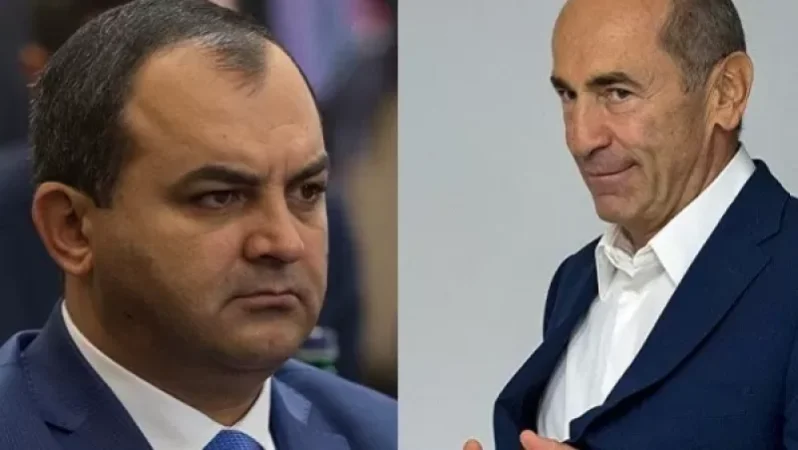
The Constitutional Court has arbitrarily rejected the examination of the Chief Prosecutor's petition, contradicting its previous stance. This was announced in a statement by the Prosecutor's Office.
It was reported that the Chief Prosecutor of the Republic of Armenia filed a petition with the Constitutional Court on April 1, 2021, requesting a determination on the compliance with the Constitution of the norms of the Criminal Procedure Code regarding the authority of the prosecutor to change the charges in the criminal case against Robert Kocharyan and others, which was being examined in the first instance court of general jurisdiction in Yerevan (Case No. ED/0253/01/19).
On May 14, 2021, the Constitutional Court rejected the examination of the petition, asserting that the Chief Prosecutor does not have the authority to address the Constitutional Court regarding the compliance of the applicable norms with the Constitution while the criminal case is under judicial review.
The decision of the Constitutional Court is arbitrary for the following reasons: According to part 1 of clause 9 of Article 169 of the Constitution, the Chief Prosecutor may address the Constitutional Court regarding the constitutionality of normative legal acts pertaining to specific proceedings conducted by the Prosecutor's Office.
According to part 2 of Article 71 of the Constitutional Law on the Constitutional Court, the Chief Prosecutor may address the Constitutional Court concerning the constitutionality of normative legal acts relevant to specific proceedings conducted by the Prosecutor's Office. In its decision SD-934, the Constitutional Court noted that “(...) the constitutional function of the Prosecutor's Office to defend charges during judicial proceedings is implemented within the framework of the general principles of justice, particularly the principle of competitiveness, and it is the court that is vested with the authority to make a final decision.” Thus, at this stage, the specific case is within the jurisdiction of the court, and it is the court that is recognized as the subject entitled to address the Constitutional Court.
It should be emphasized that the Constitutional Court made the aforementioned decision SD-934 precisely based on the Chief Prosecutor's petition concerning the constitutionality of the norms regulating the authority to change charges, addressing the possibility of the Chief Prosecutor filing a petition with the Constitutional Court regarding the case under judicial review, and affirming that possibility given that the respondent in the case disputed this opportunity.
In light of these circumstances, the Constitutional Court did not accept the Chief Prosecutor's petition for consideration, noting that the aforementioned decision SD-934 also registered the necessity of regulating the Chief Prosecutor's authority to address the Constitutional Court regarding the case under judicial review, but the constitutional regulations remained unchanged in subsequent constitutional amendments and the “Law on the Constitutional Court.”
More simply put, the Constitutional Court has directly and unconditionally acknowledged that the Chief Prosecutor is entitled to address the Constitutional Court regarding the case under judicial review if the contested norms pertain to the implementation of the prosecutor's constitutional function, including variations in charges and noted that this aspect is subject to legislative reinforcement. However, with the procedural decision taken, the Constitutional Court established that the legislative body has not fulfilled the requirement set by the Constitutional Court’s decision, in other words, that the Constitutional Court's decision has been ignored, concluding that its previously issued decision is no longer valid.
Although we are confident that the unconstitutional nature of this decision by the Constitutional Court is evident to the legal community, we still find it necessary to remind that the Constitutional Court has previously exhibited a stand contrary to this approach in similar cases. Specifically, after establishing the necessity of arguing the decision to return the cassation complaint in its decision SD-690 dated April 9, 2007, considering that several legislative changes thereafter did not fully comply with the requirements of this decision, in another case, by its decision SD-818 on July 29, 2009, it reaffirmed its position and insisted again that a substantiated decision regarding the return of the cassation complaint is required. Therefore, the decision of the Constitutional Court to reject the examination of the Chief Prosecutor's petition not only directly contradicts its previously expressed positions but also neglects its prior stance concerning the specific case of Robert Kocharyan, representing an unparalleled example of inconsistency and undermining the constitutional and legal value of the decision of the Constitutional Court.
Նմանատիպ հոդվածներ

Negotiations Yielded No Results Today: Goris Deputy Mayor Reports Combat Rotation in Syunik

What was the acting Minister of Defense doing at a restaurant on Northern Avenue? The Ministry of Defense clarifies

Pashinyan Officially Appeals to CSTO: Official Statement

Video: Defense Ministry Says Circulating Footage Unrelated to Recent Incidents in Syunik and Gegharkunik
Ավելին Society բաժնից

Այսօր երեկոյան երկնքում ուշագրավ երևույթ կլինի

ՊՆ-ն չի կարող բնակարանից վտարել արցախցի զինծառայողին. փաստաբան

Հայաստանը կարող է բախվել միգրացիոն լուրջ ճգնաժամի. ԱՊՀ-ից զգուշացնում են