The Government Has No Outstanding Debts to Businesses as of May 1, 2021, Says Pashinyan
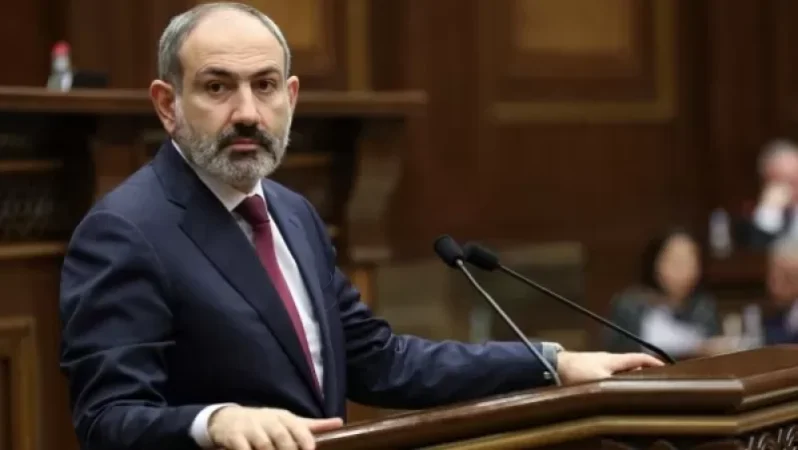
The government has no outstanding debts to businesses as of May 1, 2021. Over the past three years, the state has returned around $500 million to businesses. This was stated by Acting Prime Minister Nikol Pashinyan during the discussion on the issue of the prime minister's election in the National Assembly.
He noted that in 2018, when he assumed the office of Prime Minister of Armenia, the government had a debt of 274 billion drams to businesses. "This is the amount that, according to Armenian legislation, businesses should not have paid; in other words, this amount should have remained under the control of businesses and economic operators, but in reality, it was recorded in various ways and methods by tax authorities into a unified treasury account or state accounts. I find it important to note that during these three years, this debt problem has been resolved—not only de facto, in terms of actual payments but also institutionally. As of May 1, 2021, the state essentially has no outstanding debts to businesses. That debt has effectively been zeroed out," Pashinyan stated.
According to him, this means that the state has returned around $500 million to businesses over the past three years. Pashinyan emphasized that this payment was first made de facto, followed by institutional reforms. According to these reforms, while the deadline for VAT refunds was set at six months up to 2018, which was not always adhered to, immediately after the revolution, this period was reduced to three months, and recently, to one month. "In other words, today, it is recorded in legislation that the government has no right to owe economic operators more than one month regarding VAT. If you will, this is a revolutionary change for the Armenian economy," said the acting Prime Minister.
As of 2018, a three-tier income tax system was in place with rates of 36%, 28%, and 23%. The acting Prime Minister recalled that they established a flat income tax of 23%, and it is legislated that the income tax will decrease by 1% each year, ultimately reaching a flat rate of 20% by January 1, 2023. At the same time, the government reduced the profit tax rate from 20% to 18%.
Then Pashinyan presented the results of these measures. "Essentially, we institutionalized the solution to the problems of informal employment and shadow wages and continue to address them. By March 2021, compared to March 2018, we have 85,038 or 15.5% more jobs in the country. These are the jobs that receive specific wages," Pashinyan said.
He also talked about shadow wages, where one salary is reported but another is actually paid. "In this regard, we have achieved significant successes in solving this problem as well. By March 2021, compared to 2018, we have a 36% increase in the total wage fund—an increase of 34 billion drams in total. Moreover, we have seen an increase in the average wage of individuals by 19-20%," Pashinyan stated. He mentioned that with a lower tax rate, as of March 2021, there has been an additional collection of 4 billion drams in income tax compared to March 2018. Pashinyan regarded this as a crucial institutional and revolutionary reform that has taken place in Armenia.
Նմանատիպ հոդվածներ

Official Response of the Ministry of Defense on Azerbaijani Actions in Syunik
Urgent: Azerbaijanis Completely Take Control of Lake Sev
Currently, I cannot provide any information regarding the gunfire; the opponent has troop build-ups: Goris Deputy Mayor
Azerbaijani Armed Forces Attempt Position Advancement in Vardenis and Sisian Border Areas, MoD
Ավելին Society բաժնից

Այսօր երեկոյան երկնքում ուշագրավ երևույթ կլինի

ՊՆ-ն չի կարող բնակարանից վտարել արցախցի զինծառայողին. փաստաբան

Հայաստանը կարող է բախվել միգրացիոն լուրջ ճգնաժամի. ԱՊՀ-ից զգուշացնում են