The Most Important Question Arises: What Should Follow Recognition? – Turkologist
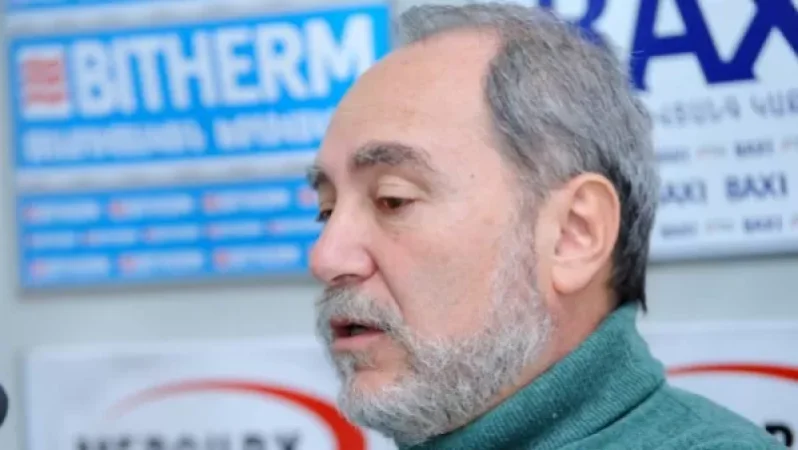
According to Tiran Lokmagyozyan, the director of the Middle Eastern Studies Center, the calmness of Turkey in response to U.S. President Joe Biden's recognition of the Armenian Genocide raises suspicions. In an interview with Tert.am, he mentioned Biden's phone call to Turkish President Recep Tayyip Erdogan prior to the recognition and speculated that perhaps an agreement had been reached on the matter.
“In past recognitions, Turkey would fly to the barricades. Such statements have always been received as a severe blow by the Turks. The U.S. is a superpower and also their ally, so what happened that they suddenly accepted the reality? It seems there was an agreement for the U.S. to act this way. But what for? Is the U.S. set to provide Turkey with better protection, or does it have some interest that Turkey, which accepts this statement with its head down?” he said.
Lokmagyozyan also mentioned the visits of U.S. Ambassador Lynn Tracy and Prime Minister Nikol Pashinyan to the Syunik region during the same time period, expressing doubts about possible agreements between Armenia, Turkey, and the U.S.
He emphasized the vital role of the Armenian community in the recognition process, mentioning that the Armenian Cause in the diaspora has been addressed for years. “It can be said that the Armenian authorities have done practically nothing in the last 30 years in this direction, leaving the process on the shoulders of the diaspora, more specifically, American Armenians. It seems recognition is solely the diaspora’s task, while Armenia shows little interest in the issue of recognizing the Genocide,” he noted.
Now, according to him, the most pressing question is what should happen after the recognition. “We need to raise the question of why this is being done, what the purpose is. Many Turkish journalists and scholars have asked me, ‘Okay, what do you want from us?’ And you can see that neither the Turks understand what we want, nor do we know it ourselves. Various demands have emerged from different circles in Armenia at different times: some say they want no land, others say they want money, and another group wants only Mount Ararat to be theirs. In other words, we lack a coherent national ideology,” he commented, stressing that recognition of the Genocide should not be an end in itself.
Lokmagyozyan also pointed out that Biden is not the only U.S. president to recognize the Armenian Genocide; Reagan had taken a similar step. “The question arises: should every president now recognize it? We haven't been satisfied with Reagan's statement up to today. Do we have to turn to every president for recognition of the Genocide? Then what will happen next? We need to understand what comes after that, what and from whom we will demand,” he posed.
In response to the observation that Armenian Americans state that the recognition by the U.S. will enable them to defend their rights in American courts and receive compensation, Lokmagyozyan said, “I don’t know if that will happen or not. If there is political will in the U.S. in this direction, then it may happen; if not, then it won't. But what you mentioned concerns money. In other words, is our whole desire merely to get money from Turkey, as some people sued certain American insurance companies to receive some funds, and they were happy that they could buy a new TV or refrigerator through the money of their deceased relatives? Is that our goal? If that is the case, perhaps we should tell the Turks about it, and they will give us that money. They may give us a few million dollars and say, ‘We gave the money, we took the land, finished.’ But is this our Armenian nation’s ultimate goal; to receive some change and be happy while selling our homeland?” he commented.
He stated that while it is essential to demand financial restitution from Turkey, that should be the last priority. “First and foremost, we lost our homeland, and we need to squeeze Turkey’s throat, insisting that we should restore our homeland. It could be through other means initially, gaining certain rights over that land, and only later discussing compensation,” he said.
Lokmagyozyan expressed that he does not expect any positive outcomes from the current authorities. “From our current government, I don’t only expect nothing positive, but rather, I anticipate only negative outcomes. It is not in vain that I mentioned Ambassador Tracy’s visit to the Syunik region before April 24. Nikol Pashinyan was also in the Syunik region at that same time. We still do not understand what our Prime Minister was doing in Syunik, what he was discussing, and with whom. What was the U.S. ambassador doing there? We only noticed that immediately after, such an announcement was made. Perhaps the timing was arranged so that shortly before April 24, Tracy would go there to resolve some questions, perhaps to also understand certain things that could lead to Biden recognizing the Genocide. For this reason, I fear our current government more than I have hopes for it,” he concluded.
Նմանատիպ հոդվածներ
Nikol Pashinyan to Depart for Kazan Tomorrow
Aliyev's Statement on the Zangezur Corridor
Baku Sets Several Conditions for Returning Armenian Prisoners, Positive Developments Expected in 1-2 Months - Siranush Sahakyan
We Demand the Withdrawal of Russian Soldiers from Nagorno-Karabakh, Let Turk Replace Them: Protest
Ավելին Politics բաժնից
Իրենք ոչ ընտրվել են, ոչ էլ՝ հաղթել. Իշխան Սաղաթելյան
Ավելի լավ կլինի, եթե ընդդիմությունը չգա խորհրդարան. Ռուբինյան
Մոսկվան պահանջում է Եվրոպայից հեռացնել ամերիկյան միջուկային զինանոցը