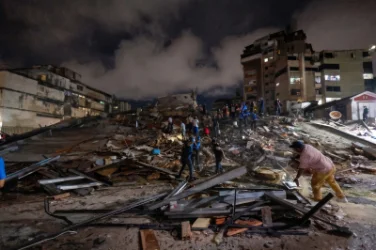
Everyone Feels Their Own Pain, But It Is Deep and Human to Feel and Share the Pain of Others: Armen Sarkissian

The President of the Republic of Armenia, Armen Sarkissian, has sent a message of gratitude to the global Armenian community and to the leaders and peoples of countries that have spoken out against the Armenian Genocide and condemned it, as well as to international organizations.
Dear compatriots in Armenia, Artsakh, and the Diaspora, dear friends of Armenia and the Armenian people, on April 24th, we collectively commemorated the memory of the Armenians who were genocided over 100 years ago in the Ottoman Empire—aloud and in whispers, in mind and with many voices, in Armenian, English, French, Russian, Greek, Arabic, and Hebrew, in all those languages that carry within them a sense of pain.
The 106th anniversary of the Armenian Genocide reiterated that everyone feels their own pain, but it is profound and human to feel and share the pain of others. Moreover, it takes courage to speak out about it.
By now, numerous world leaders, governments, and parliaments, as well as social, spiritual, scientific, and academic circles and international organizations, have expressed their recognition and condemnation of the Armenian Genocide of 1915. On behalf of my country, my people, and myself, I want to express my words of gratitude and appreciation to all of them and to all the children of our like-minded nations.
The international recognition of the Armenian Genocide received a significant and courageous boost through the April 24 statement by U.S. President Joe Biden, whose words reaffirmed the recognition and condemnation of the Armenian Genocide by both chambers of the U.S. Congress two years ago in 2019. Once again, I want to thank the U.S. President and his team for standing by us and honoring their electoral promises.
I appreciate all our compatriots in the Diaspora, especially the Armenian-American community and U.S. Armenian organizations, including the Armenian National Committee of America, the Armenian Assembly of America, the Armenian Revolutionary Federation, the Armenian Democratic Liberal Party, and the Social Democrat Hunchakian Party, as well as all our churches, the Armenian General Benevolent Union, and all the individuals and national figures who have remained steadfast in their struggle—the struggle that continues.
I would like to express my gratitude to the descendants of my fellow compatriots who survived the Armenian Genocide, who carry not only the eternal memory of a lost homeland and martyred ancestors as an inseparable part of their lives but also the just struggle and unyielding claim and, of course, the belief that the moment of justice is near.
I thank all my compatriots in Armenia and Artsakh, government, political and social figures, political forces, and civic organizations, intellectuals, and all citizens of Armenia. We REMEMBER AND DEMAND. This shows that when we are united and organized, we will achieve results.
Pain unites us, but we must unite primarily for success, as well as for our security and interests. National unity and understanding, solidarity, and tolerance are the best ways to achieve success.
Undoubtedly, supporting the unveiling of truth and the establishment of justice does not imply any expectation of gratitude. Just as those who arrived in Armenia to participate in the events marking the 100th anniversary of the Armenian Genocide in 2015 did not expect such gratitude—with President Vladimir Putin of Russia and President François Hollande of France standing alongside the Armenian people that day, alongside high-ranking delegations from other countries and international organizations.
Similarly, those who do not expect gratitude are the delegates from abroad who came to pay their respects to our consecrated martyrs at Tsitsernakaberd this year, including delegations led by the President of the French Senate, the President of the Central American Parliament, ministers, parliamentarians, and delegations from other countries. Just as all those who have never ceased to fight for the recognition and condemnation of the Armenian Genocide and against genocide denial do not expect gratitude.
I cannot fail to mention President Jacques Chirac of France, under whose presidency the law recognizing the Armenian Genocide was adopted in France, and President Emmanuel Macron, who declared April 24th a national day of remembrance for the Armenian Genocide in France. And, of course, the two spiritual leaders—Pope John Paul II of Rome and Pope Francis—who spoke about the deep wound of the Armenian Genocide, which remains open and has not healed even after 100 years.
Every step towards the condemnation and recognition of the Armenian Genocide is a signal and a warning to all those who still seek to normalize relationships and achieve their goals through the use of force and human rights violations. Yesterday, it was the Ottoman Empire; today, it is its modern-day heir, Turkey, and its 'little brother,' Azerbaijan. And genocide has no statute of limitations...
I am confident that our path to living freely and independently is ongoing, because we can and we will overcome the obstacles and challenges on that path, with the support of our friends.
Նմանատիպ հոդվածներ
‘It’s the Forest of Sosni. Are the Aliyev Family Moving Freely in Syunik Region?’: Narine Kirakosyan
Defense Ministry's Response to Allegations of Transferring Strategic Positions to Azerbaijan in Syunik
Azerbaijani Soldiers Tortured and Killed 19 Armenian Captives: Names Released
Deceased Citizen Prosthetized and Even Submitted an Application: Shocking Revelations from the Audit Chamber
Ավելին Society բաժնից
Վենեսուելայի երկրաշարժից հետո կան վիրավոր և անհետ կորած հայեր
Ֆրանսիայում ռեկորդային շոգի պատճառով ատոմակայաններ են կանգնեցվում
Անահիտ Մանասյանն ընդունել է Անդրանիկ Թևանյանի իրավունքներին առնչվող հարցերը բարձրաձայնող անձանց