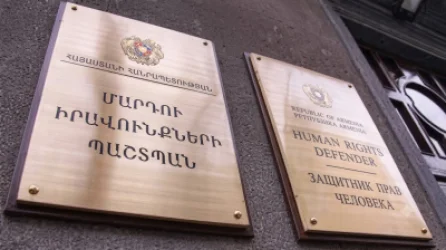
The Human Rights Defender Continues to Visit Those Arrested and Detained in Connection with Events in Syunik

The Human Rights Defender of the Republic of Armenia, Arman Tatoyan, has provided a detailed response regarding the protests in the Syunik Province and the related arrests. The full response is as follows:
"The events in Syunik Province beginning on April 21 are under the immediate attention of the Human Rights Defender of the Republic of Armenia.
1. Firstly, any manifestation of insult, humiliation, or hate speech is absolutely unacceptable, regardless of who does it or to whom it is directed. A person's dignity must not be violated. The stance of the Human Rights Defender on this issue remains unchanged, and the inacceptability also refers to the use of such language against the Prime Minister during a series of protests while he was visiting Syunik Province yesterday. Unfortunately, this issue has acquired a systemic nature, and public figures, including officials, have a priority and significant role in resolving it through their personal example. This harmful phenomenon, in all cases, increases tension and negatively affects the human rights system. Such phenomena must be excluded from our society. The role of the media is also important—they should not become a distributor of insults, humiliation, or hate speech, and should be particularly careful in choosing headlines.
2. The Human Rights Defender reminds everyone once again that his jurisdiction is not to protect officials' rights concerning the exercise of their duties from citizens but to defend individuals against the actions and decisions of state or local self-governing bodies and officials. Moreover, Article 16, Part 7 of the Constitutional Law on the Human Rights Defender of the Republic of Armenia states directly: 'State and local self-government bodies cannot present complaints to the Defender.' This is the role of national human rights institutions worldwide.
3. Below are the evaluations of the Human Rights Defender regarding the actions of state bodies and officials concerning human rights.
4. During the Prime Minister's visit to Syunik Province on April 21, among the law enforcement officials accompanying him were masked individuals (not referring to medical masks). The Human Rights Defender notes that this not only constitutes a violation of human rights but also prevents the identification of a specific officer in cases of potential incidents for evaluating the legality of their actions, especially in cases of using force against individuals. The presence of masked officers may be applicable for fighting crime, considering specific circumstances of the situation, rather than for maintaining public order in public places. Therefore, this practice should be excluded. The Human Rights Defender has announced these legal requirements both during the April 2018 events and the 2020 gatherings when masked law enforcement officers were involved in various instances of public gatherings or other civil actions in public spaces.
5. In the area of criminal justice, from a human rights perspective, it was unacceptable for the Prime Minister to qualify the actions of individuals in a specific case as a violation of the law during a discussion in the Syunik Marz Administration building on April 21, while discussing the 'harsh', 'sharp, and special actions' of law enforcement agencies in response, up to the actions of law enforcement agencies, that is, the agencies specifically authorized by law for that purpose. The unacceptability is compounded by the fact that representatives of various executive bodies attended the published consultation, which should have no connection to the criminal prosecution of specific individuals.
6. The Human Rights Defender specifically notes for all officials that you are not authorized to give evaluations regarding the course, outcome, or specific actions related to investigations of specific individuals. By doing this, you not only make statements violating human rights but also obstruct the work of law enforcement agencies, placing them under unnecessary scrutiny and creating a prejudiced attitude towards their actions in society.
7. Last night, the Human Rights Defender deployed a working group to the communities of Goris, Kapan, and several other areas in Syunik Province. The purpose of the visit is to jointly monitor the situation on the ground in collaboration with the regional subdivision of the Human Rights Defender's office, including the degree of tension, as well as visits to police divisions concerning criminal cases initiated in relation to protests that occurred on April 21 in Megr, Kapan, Kajaran, and several other communities, interviews with potentially detained individuals, and the protection of their rights.
8. During the night and early this morning, the staff of the Human Rights Defender received alerts from several citizens and lawyers regarding the incidents of detentions and arrests in the Syunik Province. Journalists have also raised alarms. In particular, lawyer Gayane Papoyan reported this morning complaining that the rights of her client, Meghri community leader Mkhitar Zakaryan, were violated during his arrest, there were no grounds for his detention, and neither she nor her client were informed where they were being taken. Additionally, according to G. Papoyan, the actions against her client were conducted without any necessity or justification during the night, rather than during the day. Following the review of videos and reports regarding Mkhitar Zakaryan's deprivation of liberty, the Human Rights Defender recorded issues related to several minimum rights of M. Zakaryan, including the duty to properly inform him of the grounds for his deprivation of liberty and guaranteeing the rights of the lawyer. Regarding the Meghri community, alerts have been received from two lawyers about the detention of two individuals. The lawyers stated that they were unaware of where the law enforcement bodies had taken their clients and that the grounds for their clients' arrest or the place of detention were not being clarified to them.
9. Several alerts have also been received (including from a lawyer) regarding individuals in Goris being detained or arrested. In particular, the callers have mentioned that they have continuously been unable to obtain information about which law enforcement body the detainees have been taken to or on what grounds and what their status is. Their relatives are also uninformed. This concerns the deputy head of the Goris community, a member of the community council, the head of the Hartashen administrative district, and several residents of the Goris community. During a conversation with representatives of the Human Rights Defender, Goris community deputy head Menua Hovsepyan informed that after being detained from Goris, he was taken to the Investigative Committee, but they did not enter the Committee's building and after waiting about 30 minutes in a police vehicle, he was transferred to the headquarters of the Police in Yerevan. According to M. Hovsepyan, he was subjected to violence at the Police station, specifically that the police officers, having taken him to the office, threw him to the ground and kicked him, then dragged him on the ground from one room to another and filmed the process of dragging. In that room, they did not allow him to sit and he was forced to remain standing for about 30 minutes. During the entire time, he was subjected to degrading treatment, including humiliation. Throughout this time, he was handcuffed with his hands behind his back. The same claims have been made by lawyers, and they reported that they have filed a complaint with the Special Investigative Service. The Human Rights Defender will also address an appropriate letter to the Prosecutor General of Armenia.
In the case of Goris community council member Ararat Aghabekyan, an alert has been submitted to the Human Rights Defender's office stating that there are no grounds for detaining A. Aghabekyan; he did not participate in the protest in Shurnukh because he was apparently experiencing symptoms of the new coronavirus (COVID-19). The staff of the Human Rights Defender has recorded the treatment of the law enforcement bodies towards Ararat Aghabekyan, who is shown in a published video being handcuffed with a mask-wearing police escort. The video clearly demonstrates the violating behavior towards A. Aghabekyan, and the actions of the law enforcement officers who detained or arrested him should be investigated not within a service framework but within a criminal process, and therefore the Human Rights Defender will also send a letter regarding this issue to the Prosecutor's office.
Currently, visits are ongoing from the Human Rights Defender's office to those detained and taken in connection with events that occurred yesterday.
10. The Defender again firmly states that the use of masks and handcuffs without differentiation and without specific grounds (such as a real danger of escape, revenge, etc.) is unacceptable. Unfortunately, this issue has a systemic nature. The Human Rights Defender has repeatedly addressed this, including in annual reports and statements, and this declaration also confirms it.
Following the summarization of the aforementioned issues, a separate letter will be sent from the Human Rights Defender's office to law enforcement bodies according to jurisdiction. Written clarifications will also be requested regarding the criminal cases initiated concerning the protests that took place in several communities in Syunik on April 21 and the articles under which criminal prosecution has been initiated in those cases.
11. The Human Rights Defender specifically notes that in the tense situation created, law enforcement agencies and, in general, all public bodies, officials must act strictly in compliance with the rule of law. Considering that there is understandably broad public interest regarding the events that have taken place in Syunik Province, law enforcement agencies are obliged to also take measures to ensure the legality of their actions or decisions is perceived rightly by the public. Any kind of violation further contributes to the tension."
Նմանատիպ հոդվածներ
Azerbaijan Transfers 3 Bodies, While Rescuers Recover and Evacuate 2 Armenian Soldiers' Remains
COVID-19 Vaccinations Now Free in Armenia, Says Ministry of Health
Access to Tsitsernakaberd Restricted from 9-10 AM on April 24
Boris Avagyan Dismissed from Position of Deputy Director of Emergency Situations Service
Ավելին Society բաժնից
Վենեսուելայի երկրաշարժից հետո կան վիրավոր և անհետ կորած հայեր
Ֆրանսիայում ռեկորդային շոգի պատճառով ատոմակայաններ են կանգնեցվում
Անահիտ Մանասյանն ընդունել է Անդրանիկ Թևանյանի իրավունքներին առնչվող հարցերը բարձրաձայնող անձանց