Facebook Users Consider Me a Mason, Even James Bond: Armen Sarkissian
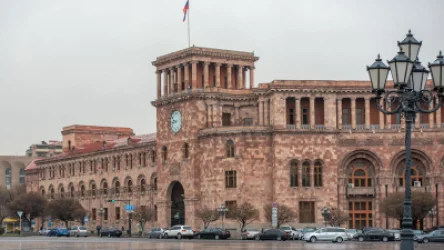
Armenia's President Armen Sarkissian gave an exclusive interview to Ilya Doronov, the general director of the Russian RBK television channel:
Ilya Doronov: There is an opinion in Russia that relations between Armenia and Russia have deteriorated in recent years. Are the causes of the current political crisis hidden here?
Armen Sarkissian: This is more of an assessment from Russia than from Armenia. Naturally, there are different political figures and interests in Armenia. It's difficult to give a definite answer, and at the same time, it is quite easy. The simple answer is quite clear: whoever is in power in Armenia eventually comes to the conclusion that Armenian-Russian relations are not ordinary. They are not only historic but also so deep that it is hard to assess them emotionally.
I have met Armenians all over the world. Regardless of where they are located—Buenos Aires, the USA, Europe, the Middle East, or elsewhere—most of them affirm that Russia is Armenia's best friend. If you ask who Armenia's best friend is, 99 out of 100 will say Russia. And these are Armenians living in the USA, France, and elsewhere. Not only Armenians think this way; European or Western politicians I discuss Armenia's future or bilateral relations with these countries share the same view. Their perception is that, in any case, Armenia is a partner of Russia. These relations are so deep that it is not only noted by the locals but also by Armenians in Artsakh and Russia.
Ilya Doronov: It turns out that this is steadfast?
Armen Sarkissian: Yes, it is steadfast. The world exists on such steadfastness.
Two other factors are also essential, which are also steadfast: one is trust, the other is predictability. Our relations must be so understandable and deep that we trust each other unconditionally. There must be predictability because unpredictability in such relations and in this world is extremely dangerous. In other words, you need to have a predictable partner.
Ilya Doronov: Speaking of predictability, one of the causes of the political crisis in the country is the defeat in the war. After several years of pause, there was a war again last year. In your opinion, could the war that occurred last year have been avoided?
Armen Sarkissian: You know, that belongs to a mathematical category called 'if,' a recursive function. But I really believe it was possible. For about 30 years, I have been engaged in Armenian diplomacy at different times, meeting leaders of different countries, and I believe it is always possible to find options for resolving such issues without military actions. After the first Nagorno-Karabakh war, there was an organization dealing with this matter—the OSCE Minsk Group, with its three co-chairs: Russia, France, and the USA.
Ilya Doronov: But Baku claims now and has claimed that the Minsk Group has done nothing.
Armen Sarkissian: They say that now. When we go back to the origins when everything was just starting, everyone said that the Minsk Group could find a solution to the problem. There was a mechanism for communication and dialogue. If we look at our mistakes, one of them was that we started to believe what we wanted to believe or what was a dream. We thought that the war was over and the issue was already resolved. However, it was far from being resolved, while Azerbaijan continued to talk about a future war. Instead of taking concrete steps, for example, strengthening the defense capabilities of Karabakh, having more modern military infrastructure, making Karabakh more economically viable, and solving demographic issues...
Another observation is the following: unfortunately, Armenia, as a 21st-century nation seeking to find itself (if there is no mission, you start looking for yourself), was looking to the left or right, thinking about this or that governance system—presidential or parliamentary—trying to determine if perhaps it might be more democratic. But in this, conditionally speaking, democratic environment, two Armenias emerged: one is real Armenia, which is facing economic, social, and humanitarian crises, and the other is virtual, based on social networks. These two Armenias do not relate to each other at all.
They even consider me a Mason or even James Bond on the same Facebook... In reality, I have had friendly relations not with James Bond but with the famous Soviet spy Gevorg Vartanian for many years. His wife, Gohar Vartanian, and my mother were friends while still in Tehran. Gevorg Vartanian was a phenomenal person and, in some ways, also my teacher; had he been a scientist, he would probably have become a well-known academician, and if he had been a businessman, he would probably have been a billionaire.
Նմանատիպ հոդվածներ
Ավելին Politics բաժնից
Կառավարության անդամների երդումը փոխվում է․ նոր որոշում
ՏԵՍԱՆՅՈՒԹ․ Նարեկ Կարապետյանը՝ 300 հազար ադրբեջանցիների վերադարձի մասին
Ադրբեջանը վիճարկում է Հայաստանի օգտին կայացված որոշումը