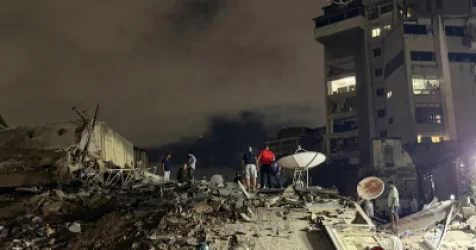
What format will classes continue in? Clarifications from the Ministry of Education, Science, Culture and Sport

Due to the increase in pandemic numbers, discussions on the introduction of new restrictions in public schools are not underway. Classes will continue in the current format, adhering to pandemic regulations. This was stated in a press release by the Ministry of Education, Science, Culture and Sport of the Republic of Armenia.
According to Deputy Minister of Education, Science, Culture and Sport Zhanna Andreasian, schools are already operating under restrictions due to the pandemic, based on the pandemic rules established by the order of the Minister of Health.
“We have had discussions in the government with our partners from the Ministry of Health, and the issue of fully transitioning schools to remote education has not been discussed, and there is no such decision. The order of the Minister of Health, which regulates the organization of the educational process in schools under these conditions, is still in effect. We now need to strictly adhere to the basic rules, which include wearing masks and frequent hand sanitization,” says Deputy Minister Zhanna Andreasian.
She noted that the existing regulations outline the conditions under which a school may transition to remote education. This means that situational solutions can be provided. For instance, if there are schools where pandemic cases reach a certain percentage, those institutions may temporarily switch to remote education until the situation changes and a return to in-person classes occurs.
According to Andreasian, this approach is the most effective solution under current circumstances. This means that a decision to adopt restrictions or new tightening measures for the entire system, such as transitioning to remote education, is not being made. Such decisions can be made for individual schools if necessary.
Zhanna Andreasian also reminds that the rules have recently been relaxed by the Ministry of Health. The social distance requirement has been reduced from 1.5 meters to 1 meter. Therefore, classrooms can accommodate more than 20 students if the specified social distance is maintained. Consequently, the issue of organizing daily classes in classrooms with 22-23 students, which previously had to organize shifts by splitting the classroom, has been resolved.
“By maintaining a distance of one meter, schools can organize a unified educational process,” notes Andreasian, adding that many schools have already transitioned to daily in-person educational processes. The Deputy Minister also emphasizes that compliance with pandemic regulations is in the best interest of schools, as adherence to these rules guarantees the continuity of in-person education.
According to the Deputy Minister, very few schools have transitioned to remote education due to the rise in pandemic numbers, indicating that schools are diligent in maintaining compliance with the rules. Zhanna Andreasian stated that remote education is being organized for about 5,000 students in at-risk groups according to the remote education procedure approved by the Minister of Education, Science, Culture and Sport. According to this procedure, the remote education model can also be applied to schools in remote areas facing a shortage of qualified staff. There are approximately 101 such schools, for which selected mentor teachers will organize remote classes.
Remote education can also be organized for the children of individuals engaged in diplomatic activities, as well as for Armenians from the diaspora, upon their request. For this purpose, a remote education platform operates at the National Center for Educational Technologies, where both video lessons and remote classes in an interactive format are available. For instance, if Armenians from the diaspora wish to fill gaps in their education in certain subjects, they can join remote classes. By registering on the remote education platform, they will receive a username and password and will have the opportunity to participate in established online classrooms and lessons.
According to Zhanna Andreasian, during the second semester of the last academic year, when a shift to remote lessons was implemented due to the pandemic, the teaching community gained certain experience and skills in organizing online classes. During this time, about 7,000 teachers were trained to improve their skills in using ICT tools. Considering the accumulated experience, the Ministry of Education, Science, Culture and Sport is now developing a program to improve remote education.
Նմանատիպ հոդվածներ
Ashot Pashinyan to Enter Workforce
How Maral Najaryan Was Welcomed: Sister Shares Details and Phone Call from the Red Cross
Maral is in shock, still doesn't understand what is happening around her, says Maral Najaryan's neighbor
Gevorg Arshakyan Fought Against 150 Enemy Special Forces with Friends and Died. Why Are Official Sources Silent?
Ավելին Society բաժնից
Ռազմական ոստիկանությունն իրականացնելու է պարեկային ուժեղացված ծառայություն
Պայմանագրային զինծառայող է մահացել. նախաձեռնվել է քրեական վարույթ. ՔԿ
Ձերբակալվել է Գյումրիի համայնքապետի նախկին մամուլի խոսնակը