We Say: Let’s Not Promote Sources Whose Origins Are Unknown, Says MP About New Draft Law

This draft is expected to help separate conscientious journalists and media organizations from unidentified resources of dubious origin, which today are sometimes better known than actual media outlets. This was stated by Arthur Hovhannisyan, a member of the 'My Step' faction, during a conversation with journalists in the National Assembly on February 3 as he addressed the draft amendments to the 'Mass Media' law authored by members of their faction, which aims to prohibit media from referencing anonymous sources.
The MP insists that the media landscape needs to be cleansed of non-journalistic organizations that create problems for those engaged in genuine journalism. 'What is happening today in Armenia? There are organizations engaged in journalism that are identifiable; people recognize them, they have an editorial team, journalists, editors, operators who work tirelessly from morning until evening to present reliable information to the public. And suddenly, alongside this hard work, Telegram channels and Facebook pages emerge, which generate information without performing any type of work, and then that information ends up on the pages of real media outlets. Thus, real media begin to inadvertently promote sources whose origins no one has any information about,' he said.
According to the MP from 'My Step', there are sources that are delivering media products in an 'illicit manner' into the information space, about whose origin and goals no one has any information. 'If we do not promote those engaged in smuggling, then why are we promoting those bringing smuggled media products into the media realm? Therefore, after identifying this issue, we come to the solution. The state has an obligation to close all smuggling routes that contain risks. We are identifying anonymous sources that are registered online, have an online account or channel, with the identity of their manager concealed from the reader. Next, we record that the media cannot refer to such sources; however, it is important to clarify that we do not prohibit reproducing the information from these sources. We say: let's not promote sources whose origins are unknown to anyone. There are many examples, referencing all those sources, placing active links, naming them will be prohibited by this regulation. This is absolutely unrelated to confidential sources,' Hovhannisyan stated, clarifying that there is no limitation on the right to disseminate information and this is not about the media's confidential sources.
He emphasized that the media can cite anonymous sources without naming them, so as not to promote them. When asked how the appropriateness of this draft law came about, Hovhannisyan responded, 'During the war, there were numerous sources that were managed from abroad, whose creation purpose and the content of disseminated information raised many issues in the country, creating an atmosphere of instability and fear; promoting such sources by Armenian resources contributes to the public identifying them with those engaged in journalistic activity.' He noted that media can even take the information provided by those channels, verify, substantiate it, and publish it anew, without infringing on anyone’s copyright. 'How can you infringe on the copyright of a nonexistent person? What is the copyright of a Telegram channel? Does such a thing exist?' The MP stressed that there is one month for suggestions, and thus they are open to any proposals. The author of the draft stated that he will fight hard to ensure that the point about not referencing anonymous sources gains legislative strength. 'There are no mines directed at media outlets; there are only mines for anonymous sources,' Hovhannisyan emphasized.
Նմանատիպ հոդվածներ
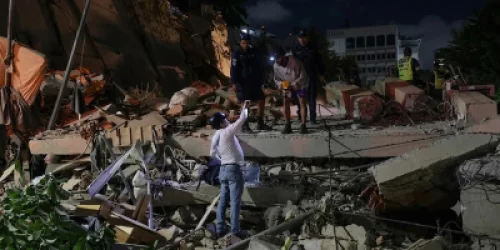
Magnitude 5 Earthquake Felt Across the Republic
Artsakh Defense Army Releases Names of 29 Fallen Soldiers
I Learned About This Absurdity from the Press: Hovhannisyan on News of His General Rank
Leadership of the Armenian Armed Forces during the War Was Horribly Executed, Contradicting All Rules of War - Norat Ter-Grigoryants
Ավելին Society բաժնից
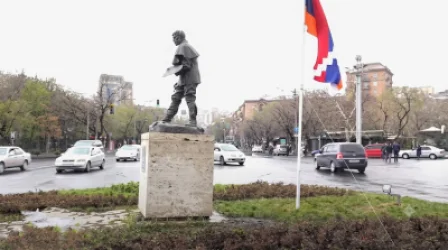
Երևանում Արցախի դրոշի տեղադրման փորձի ժամանակ ՀՅԴ ՀԵՄ երկու անդամ է բերման ենթարկվել
Արզաքանցյանի շուրջ սկանդալը նոր փուլ է մտնում. «Ժողովուրդ».
Նոր ընտրություններ են սպասվում. կմիավորվեն ևս 4 համայնք և 54 բնակավայր. «Փաստ».