Permanent Presence of Prison Staff in Hospital Room of Incarcerated Individuals is Unacceptable: Ombudsman

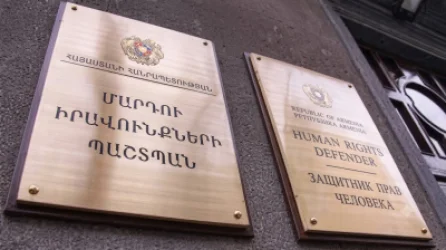
The Human Rights Defender has published an urgent report addressing the issue of the permanent presence of prison staff in the hospital room of an incarcerated individual. The statement published by the Ombudsman reads: "This new urgent report indicates that the continuous presence of a prison officer in the hospital room of an incarcerated individual is unacceptable and violates their rights (specifically referencing a detained person). The issue is that currently, a prison officer is present at all times in the hospital room of a person receiving treatment, who is either incarcerated or sentenced to imprisonment. This officer either does not leave the room at all or leaves only at the request or demand of the individual receiving treatment.
This flawed presumption is based on legal uncertainties from the perspective of an individual's rights. In fact, the following presumption should prevail: the constant presence of a prison officer, as a general rule, should be excluded. This can only be possible in exceptional cases where, for security reasons, a doctor or another representative of the medical staff requests the presence of a prison officer.
Therefore, the permanent presence of a guard in the hospital room of an incarcerated person raises concerns regarding the care provided, their dignity, privacy, and even the dignity and privacy of their caregivers. This means that questions of rights violations arise in this situation, which should be examined under both Article 3 and Article 8 of the European Convention on Human Rights, as well as relevant provisions of the RA Constitution.
Consequently, the physical constant presence of a prison officer in the hospital room of an incarcerated individual in a civilian medical institution disrupts the essence of the state's positive obligations towards them. It does not represent a fair balance between public and private interests and leads to disproportionate interference by the state in human rights.
This conclusion is based on complaints addressed to the Ombudsman regarding this issue, ongoing monitoring by the national prevention mechanism, and the examination and analysis of legislation and international standards. In particular, in several cases observed directly by the Ombudsman, the prison officer was found to be carrying out their duties inside the hospital room, directly at the door and restroom area, where a chair had been placed for them to sit. This chair was separated from the other part of the patient room by a curtain that had a certain degree of transparency, was placed on the floor, and did not reach the ceiling.
The report also discusses this issue from the perspective of safety and, specifically, the presence of prison staff, for example, in the corridor adjacent to the hospital room.
In conditions of round-the-clock presence of guards, incarcerated individuals do not have the opportunity to speak freely about their health issues with either the medical staff or their caregivers; information about their health status is also made known to third parties. This also constrains the medical staff. Furthermore, the constant presence of a prison officer in the hospital room is also problematic in that all matters concerning the personal life of the incarcerated individual and conversations with caregivers become accessible to the guard, which directly leads to unlawful interference with the right to privacy.
Taking all these into account, in the case of an incarcerated individual, questions related to their health maintenance, medical care, and, in general, assistance must be prioritized from the standpoint of preventing ill-treatment, and in certain situations, from the standpoint of guaranteeing the individual's privacy, as is recognized in international law.
The level of medical assistance and care for incarcerated individuals cannot be less than the level of medical assistance and care available to the general population, that is, to individuals who are not deprived of their liberty. It is exactly for this purpose that the aforementioned documents stipulate that when the prison system cannot meet the required standards, medical assistance and care should be provided in civilian medical institutions, including special expertise civilian medical institutions, with appropriate provision of all necessary conditions. These rules do not recognize any discrimination.
First and foremost, it is essential to note that, in general, the international standards for guaranteeing the right to health maintenance of an incarcerated person, proper medical assistance and care presume the possibility of the physical presence of prison staff only in exceptional cases, when such is requested by a doctor for security reasons.
This approach stems from the fundamental principle that the degree of guaranteeing the rights of the incarcerated person in a medical facility cannot be less than in the correctional institution; for instance, in a correctional institution, a prison officer is not always physically present in an individual's cell by the same principle.
Therefore, it is necessary to change the practices outlined in this urgent report, without resorting to formal approaches, with the aim of improvement, focusing more on the rights-based emphasis until legal changes are made.
Նմանատիպ հոդվածներ
Magnitude 5 Earthquake Felt Across the Republic
Artsakh Defense Army Releases Names of 29 Fallen Soldiers
I Learned About This Absurdity from the Press: Hovhannisyan on News of His General Rank
Leadership of the Armenian Armed Forces during the War Was Horribly Executed, Contradicting All Rules of War - Norat Ter-Grigoryants
Ավելին Society բաժնից

Վենեսուելայի երկրաշարժից հետո կան վիրավոր և անհետ կորած հայեր

Ֆրանսիայում ռեկորդային շոգի պատճառով ատոմակայաններ են կանգնեցվում
Անահիտ Մանասյանն ընդունել է Անդրանիկ Թևանյանի իրավունքներին առնչվող հարցերը բարձրաձայնող անձանց