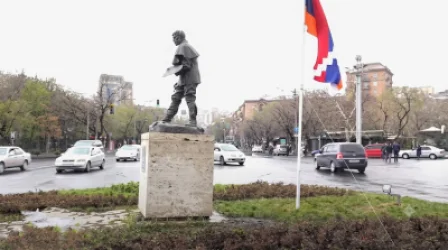
Investments Made by the Armenian Community in Territories Handed Over to Azerbaijan

Since the first years of the Artsakh War, the efforts of the Armenian community have been aimed at improving their homeland in Artsakh. In 1992, the "Hayastan" All-Armenian Fund (HAF) was established with the donations collected from Armenians around the world to develop Artsakh and implement development projects in Armenia, which had been greatly affected by a devastating earthquake. During the Soviet era, the Nagorno-Karabakh Autonomous Oblast, which was part of Azerbaijan, was almost devoid of infrastructure, and what remained after the Artsakh War was reduced to heaps of ruins.
Moreover, in addition to supporting the annual marathons of the fund, other Armenian foundations and individual investors began to implement development projects in Artsakh. The love and care of the Armenian community for Artsakh gradually flourished, and its attractiveness to investors increased. In recent years, it had become a homeland for Armenians who lost their homes in Syria and Lebanon.
However, since September 27, 2020, the day Azerbaijan launched a war against the Republic of Artsakh, the fate of Artsakh, considered a pride of the Armenian community, dramatically changed. Defeated in the war, Artsakh was forced to concede large territories to Azerbaijan. On December 9, the Ministry of Territorial Administration and Development of Artsakh published a list of communities and settlements of the Republic of Artsakh that came under the control of the Republic of Azerbaijan, comprising 118 communities in 7 regions. Over the past 28 years, tremendous investments have been made by the collective efforts of the Armenian community in those areas, which will now be enjoyed by the enemy.
Hetq.am has presented large-scale development projects that have been implemented in the communities of the Republic of Artsakh, including the creation of infrastructure, construction of public buildings, and developments in social security, healthcare, education, preservation of cultural heritage, as well as in the fields of art and sports. The projects were carried out by the "Hayastan" All-Armenian Fund, the Armenian Revolutionary Federation, the Armenian General Benevolent Union, the Tufenkian Foundation, the Armenian Apostolic Church, and others.
The significant volume of investments falls to the share of HAF, with their total in the territories handed over to Azerbaijan estimated at around $110 million. The monetary value of the programs implemented in 1992-1997 is not included in this calculation, as the expenses for the works done during those years were not detailed by community in the fund’s reports.
The "Hayastan" All-Armenian Fund has informed Hetq that it allocated $4,639,848 for the restoration, renovation, and humanitarian programs of the economy of the Republic of Artsakh between 1992 and 1995. The fund has created infrastructure in energy, water supply, and road construction. Major projects included the reconstruction of the village of Vaghuhas, the construction of the Goris-Stepanakert highway, the establishment of the Shushi-Karmir Shuka power line, and the construction of water conduits from Balujah to Stepanakert, among others.
Investments by the "Hayastan" All-Armenian Fund in the transferred settlements continued to evolve after the signing of the tripartite agreement on November 9, 2020, which terminated the war between Armenia, Azerbaijan, and Russia. After the agreement, three communities from the Shushi region—Shushi city, Karin Tak, and Kirsavan village—came under the authority of Azerbaijan. The "Hayastan" All-Armenian Fund has carried out major capital works in the city of Shushi and the village of Karin Tak over the past 26 years.
In Hadrut, development projects have been implemented by the "Hayastan" Fund and the Armenian General Benevolent Union (AGBU). HAF has focused its main investments on creating infrastructure and resolving social and health issues.
For the AGBU, the primary aim in Hadrut has been the resettlement of Artsakh, and in 2002 the reconstruction of the village of Norahshen in the Hadrut region commenced. This initiative later transformed into AGBU's comprehensive program for resettling Artsakh, which aimed to restore and resettle Armenian villages destroyed and abandoned due to the war from 1988 to 1994. The Union built 20 houses, a medical center, a kindergarten, and a school in Norahshen. The school, designed for 80 students, has eight classrooms, an auditorium for various events, and a computer room. About 150 residents live in the 30 houses built by AGBU in Artsakh, while 10 houses were constructed in the village of Bareshen.
Resettlement in Kashatagh and Karvachar regions began while the war was still ongoing; official decisions were made in the fall of 1993. The Nagorno-Karabakh government approved a 10-year resettlement program in 2001, defining the objectives and geographical locations for resettlement. According to the resettlement plan, 10,000 apartments, 200 schools, healthcare facilities, water supply systems, roads, etc., were to be constructed.
The most significant investments in the Kashatagh and Karvachar regions have been made by the Armenian Revolutionary Federation (ARF). Based on their calculations, the volume of investments exceeds $20 million, which does not include charitable programs. In 2009, small hydroelectric power plants began to be constructed in the region of the Agavn River. The "Syunik-1" hydroelectric station was opened in 2011, followed by "Syunik-2", "Syunik-3", and "Syunik-4".
According to Hakob Matilyan, a member of the ARF Central Committee, the ARF organized investments primarily for social and strategic purposes rather than business objectives. All hydroelectric plants have at least 25 shareholders. Investors included ARF members who regularly supported Armenia and expressed that if guarantees were provided, they would also implement this option. "We aimed to engage many people, mainly from the diaspora. Local residents were involved to provide assurance that diaspora Armenians could invest confidently. Our goal was to create a certain number of jobs, revitalize the economic life in these regions, and serve as an example for other employers and capital holders," said Matilyan.
He noted that investors had concerns because the status of these regions was not clarified. "We took risks and initiated work, starting the construction of the first hydroelectric plant in the Kashatagh region. After the success of 'Syunik-1', other investors joined the program because they saw that it had succeeded as a business venture. After the successful experience with hydropower plants in the Kashatagh region, more investors came in to start working," Matilyan explained.
According to him, just by constructing four hydroelectric plants, 50 jobs were created, providing 22% of the electricity consumed in Artsakh, meaning that the hydropower plants produced as much as Artsakh received from Armenia. "We became the largest taxpayer in the Republic of Artsakh and assisted the Kashatagh administration in all matters. With the revenue from hydropower plants, we provided lighting for the city of Berdzor, built a playground, and created the 'Kashatagh' charitable foundation, to which we made regular donations," said Matilyan.
Additionally, a walnut orchard covering 10 hectares was established in Kashatagh four years ago, and it is expected to yield a harvest this year. The saplings were brought from abroad. He also mentioned that the same energy resources existed in the Karvachar region but were not being utilized. At the suggestion of Artsakh leadership, a small hydroelectric plant was constructed on the Lev River, which led to significant investments being made, large hydropower plants were built, and work was progressing successfully until the capitulation of Artsakh.
In the village of Yeghenutz in Karvachar, a modern kindergarten was built with the funds of a benefactor who was a shareholder in the hydroelectric plant and donated the collected funds to the kindergarten. In the village of Agavn in Karvachar, with the investment of Lebanese Armenian ARF members, the settlement of Ariavan was constructed, including 50 houses with modern communal facilities, granted to large families, officers who served in the army for more than twenty years, and other residents.
The village at the beginning of the Berdzor corridor has been deprived of electricity and natural gas since the war; however, residents are determined to stay and take responsibility for the village's security. The second large project of the "ARI" (Artsakh Roots Investment) development foundation was the construction of the Sidney neighborhood in Karvachar. This neighborhood was built mainly through investments from Lebanese and Australian Armenians, who contributed around $500,000 towards the construction of Sidnney. The Artsakh government also invested another $300,000 to create infrastructure within the neighborhood. Sidnney has yet to be inhabited, with 12 out of 15 houses ready for occupancy.
The Tufenkian Foundation began its operations in Artsakh in 2003, primarily focusing on the Kashatagh region for resettlement and economic development, with nearly $4 million invested. The projects were aimed at school construction, housing development, economic growth, support for culture, and renovation of historical monuments. In 2004, Tufenkian established the Argamugh village in Kashatagh, consisting of 3-4 room houses built according to current demands with adjacent plots of land. Each year, it was planned to construct six houses, with a total of 40 homes aimed to be built.
In Karvachar, AGBU has provided agricultural machinery to the residents of the Berdzor region, including 3 tractors, 2 chain saws, sprayers, and agricultural equipment. A fleet was established for this equipment, and a warehouse was built. Olive groves were established in the Berdzor region, where 21,400 olive trees were donated to 16 resettled families from Syria and 15 local families.
After the tripartite agreement of November 9, 2020, which halted the war, eight villages from the Askeran region (Avetaranots, Aknaghbyur, Armenakavain, Jraghatsner, Madatashen, Sghnakht, Ughtasar, and Moshghmhat) and eight villages from the Martakert region (Talish, Mataghis, Hvotashen, Nor Aygestan, Nor Karmiravan, Nor Hakajur, Nor Maragha, Nor Seisulan) also came under Azerbaijani control.
In the communities of the Martakert region, the "Hayastan" All-Armenian Fund has conducted extensive construction works as part of the "Revival of Talish" program. In particular, a household house was built, 18 residential houses reconstructed, a community center, a medical point, a club, a concert hall, a drinking water network of 4.5 km was constructed, and sewage systems were created.
Note: This publication does not include the investments made by individuals in the territories handed over, which are numerous.
Նմանատիպ հոդվածներ
Ավելին Society բաժնից

Լեռնային Ղարաբաղից տեղահանվածների բնակապահովման ծրագրում նոր փոփոխություններ կան
Փաշինյան․ «Օրինական չհաստատված հեռախոսը կարելի է միայն պոպոք կոտրել»
Ցեղասպանության զոհերի Հուշահամալիրում մեկնարկել են երկրորդ փուլի աշխատանքները