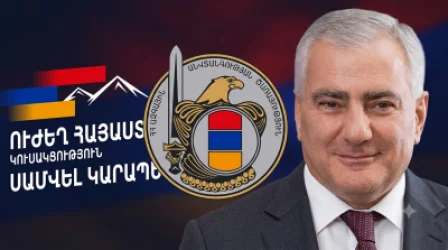
Currently, the Armenian Side Has More Than 120 Prisoners of War, Says Siranush Sahakyan

The issue of exchanging prisoners of war has reached an impasse because, through the November 9 declaration and subsequent processes, the Armenian leadership has signaled to the international community that the issue requires a political solution. Organizations dealing with legal and political issues understand that the platform legitimized by the Armenian authorities is precisely the trilateral format, and therefore this format is effective. This was stated by Siranush Sahakyan, a lawyer representing the interests of Armenian prisoners of war at the European Court of Human Rights (ECHR), in a conversation with NEWS.am.
It is worth noting that yesterday, on January 11, following a trilateral meeting of the leaders of Russia, Armenia, and Azerbaijan in Moscow, Prime Minister Pashinyan announced that the issue of prisoners of war had not been resolved.
“It seems that the Armenian side has sincerely fulfilled all the obligations it undertook towards Azerbaijan, which were heavy and involved violations of the rights of its own citizens. There was an expectation that at least after this, the only unfulfilled point of the November 9 declaration— the return of prisoners of war—would take place. However, it is not happening for political reasons, and moreover, it seems that the issue is entering a dead end, because through the November 9 declaration and subsequent processes our leadership has indicated to the international community that this issue requires a political solution. There are organizations dealing with legal issues that recognize that the platform legitimized by the Armenian authorities is exactly the trilateral format, and so this format is functional. If it were not functional, it would not be possible to implement severe conditions, and if these conditions have been implemented, and the Armenian leadership continues to work within this framework, then the efficiency of this mechanism is acknowledged. But it turns out that it is effective only for those issues that harm Armenian interests; concerning the realization of the rights of its own citizens, there is no movement whatsoever,” Sahakyan said.
Sahakyan emphasized that Azerbaijan is trying to impose a new status on Armenian prisoners of war. “Azerbaijan is attempting to deprive Armenian prisoners of international protection and to present them as terrorists to justify their non-return,” she added.
According to Siranush Sahakyan, a legal resolution to this issue is possible; however, the solutions in that direction are quite time-consuming. “We have initially diversified our approach, well understanding the reality. Legal processes are long, and they would ensure immediate results if our authorities had not made the prisoners a bargaining chip in political negotiations from the very beginning, because these are independent issues, regardless of Azerbaijan's will and desire—there are ways and opportunities to impose this. However, since they did make it so, the legal mechanisms have slowed down in this regard. Given that the issue is entering a deadlock, I think the only way forward will be legal or at least the involvement of a new party in negotiations. As long as negotiations are conducted in this manner, we do not see tangible progress. Although the European Court, based on our request, has granted urgent measures and given priority to the cases, nonetheless, the process will last 1-2 years,” she noted.
When asked whether Prime Minister Nikol Pashinyan's statement yesterday was expected, Sahakyan responded that humanitarian issues are a priority, and according to the lawyer, it is astonishing that these issues are secondary. “It is well-known that humanitarian issues are a priority, and in cases of successful leadership, even during wartime, they get resolved. And even if the war ends, humanitarian issues are regarded as easy to solve because both sides have the same problem. War also has repercussions for the winning state, and there is mutual interest in alleviating human suffering. Strangely, these issues are becoming secondary, tertiary, and turning into unimportant questions. This is happening with the involvement of our authorities, and I find it incomprehensible—if the Azerbaijani side does not agree to the return of prisoners of war, and international law does not even require their consent, it is their obligation, and in the case of non-fulfillment, Armenia should take measures to ensure that the international community imposes sanctions. It is unclear why Armenia agrees to issues concerning which Azerbaijan gains new rights over Armenian territories,” Sahakyan stated.
Siranush Sahakyan mentioned that currently the Armenian side has more than 120 prisoners of war. “These are indisputable cases, and if we consider the probable cases of captivity, the number would be significantly higher. There are also women; there are confirmed two cases that the state officially acknowledges and has not returned. In terms of status, they may be represented as mercenaries or terrorists,” she concluded.
Նմանատիպ հոդվածներ
Trilateral Meeting of Chief Prosecutors of Armenia, Russia, and Azerbaijan Held in Moscow
Azerbaijani Social Media is Full of Calls to Torture and Drink Blood of Armenian Children - Human Rights Defender of Armenia
25 Unreported Names of Fallen Soldiers in the War
I Am Simply Amazed — I Can't Say More: Gevorgyan on Anna Hakobyan and Her Two Daughters' Visit to Moscow
Ավելին Society բաժնից
Հայաստանը ՕՊԵԿ հիմնադրամի հետ ստորագրել է 80 մլն եվրոյի բյուջետային աջակցության վարկային համաձայնագիր
Փաշինյանը որոշում է կայացրել․ ի՞նչ է սպասվում կարկտահարությունից տուժածներին
Հայաստանին են անդրադարձել․ հեղինակավոր Forbes պարբերականի հոդվածը