How to Protect Yourself from White Phosphorus and Provide First Aid
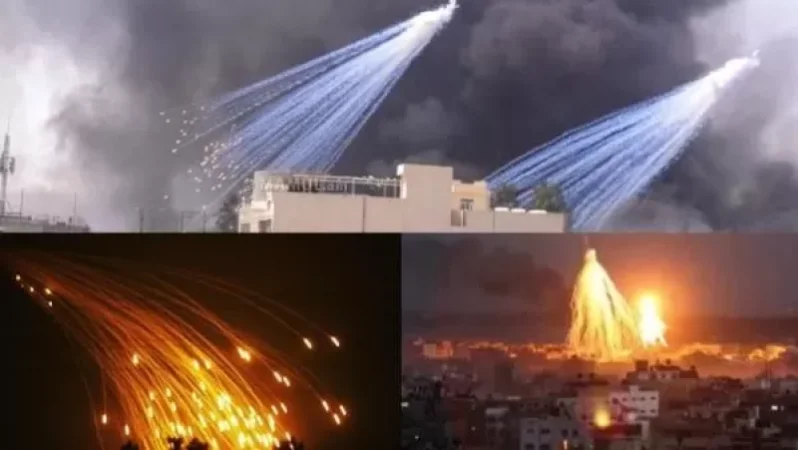
Arthur Yeghiazaryan, a former member of the Supreme Body of the Armenian Revolutionary Federation, wrote on his Facebook page: “A video has emerged that effectively proves that Azerbaijan has used phosphorus bombs in Artsakh. But I must remind you that this is not the first case. Instances of the use of this inhumane weapon were first recorded during the April War of 2016. Let me also remind you that in northern Syria, the use of phosphorus bombs by Turkey against the Kurds was also reported in 2018 and 2019.
Below, I will not delve into those bombs; you can see various videos on YouTube regarding their use and consequences. Instead, I will try to be helpful by providing several important rules for protection against the harmful factors resulting from the use of white phosphorus, as well as tips for providing first aid. It is essential that people know how to protect themselves and give primary first aid to the injured. And so:
1. Protect exposed skin from burns caused by phosphorus fire; these injuries take a long time to heal and cause intense pain.
2. It is necessary to protect the respiratory organs. Toxic gas is released during phosphorus combustion that can make carbon dioxide seem harmless. A gauze mask will protect about 10-15%, a respirator will protect 50%, and properly filtered gas masks (for example, GP-7V) or a standard “hamster” can provide 90% protection.
3. Protect the eyes. The effects can be fatal, leading to complete blindness. Hermetic glasses are preferable, but it should be noted that plastic melts quickly at high temperatures; therefore, a gas mask with glass lenses is better, and rubber will withstand longer than plastic.
4. If you find yourself in a strike zone, take shelter in a structure that is unlikely to catch fire (concrete constructions without the use of wooden and other flammable materials in construction). Do not hide in basements, as fire may block exits, and toxic materials may accumulate in lower areas, leading to suffocation. Enter underground shelters only if there is an exit to other open areas.
5. Immediately leave the strike zone after the impact. Immediately!
6. Do not approach the epicenter, do not look at the explosion. The combustion temperature of phosphorus is 1200 degrees, instantly melting everything on you, including skin, and at the immediate epicenter, potentially your entire body.
7. Stay away from strategic targets and crowded places, which are the most likely strike areas.
8. Toxic gases released from the explosion spread quickly across the air within a large area. Until you reach a shelter or evacuation site, protect your respiratory organs all the way and have several spare filters for the gas mask (if you can find them). If you do not have a gas mask or other protective measures, keep clean water and cloths to moisten and cover your eyes, nose, and mouth.
If there is no water and extra cloth, remove any clothing from your back, urinate on it, and use it to cover your visual and respiratory organs.
9. Under no circumstances should you come into contact with copper sulfate (cupric sulfate) and calcium carbonate (lime, chalk, marble, etc.). The interaction of these substances with white phosphorus will result in double acidic burns. Phosphorus burns are usually deep because when it spills onto the skin, it continues to burn. Phosphorus burns emit a garlic-like odor, glow in the dark, and continue to smolder even after the burned skin area is removed. White phosphorus is toxic, is absorbed into the bloodstream, and causes serious disturbances in the nervous, cardiovascular, liver, and kidney systems.
Phosphorus is extinguished by pouring water on it and applying a wet dressing. Chemically, phosphorus is “neutralized” with a 5% potassium permanganate solution or a 3% hydrogen peroxide solution in a saturated baking soda solution. For first aid in phosphorus burns:
1) Immediately immerse the burned skin surface in water or irrigate with plenty of water.
2) Remove pieces of phosphorus from the burned area using tweezers.
3) Use 5% sodium bicarbonate solution moistened dressings to remove the toxic combustion products.
4) Rinse thoroughly with 3% hydrogen peroxide solution to oxidize the phosphorus until it transforms into phosphorus anhydride.
5) Keep body areas where white phosphorus may remain continuously moist since this material can reignite upon contact with atmospheric oxygen. Thorough treatment of all affected areas is crucial as phosphorus remaining on the skin can cause systemic poisoning.
6) Avoid using ointment dressings, as they can enhance the fixation and absorption (ingestion) of phosphorus by the body.
7) Wash the eyes, nose, and mouth with a 2% solution of food-grade soda.
8) In case of eye pain, instill 2-3 drops of a 0.5% dikain solution into the eyes.
9) Administer analgesics, acetylcysteine, if there are no contraindications.
10) It is essential to provide first aid as soon as possible and to hospitalize the injured.”
Նմանատիպ հոդվածներ
VIDEO. Russian Military Strike Destroys Base of Militants Heading to Azerbaijan from Syria

Shushi is Completely Out of Our Control, The Enemy is at the Gates of Stepanakert. Vahram Poghosyan
Explosion at Spitak Medical Center, Ministry of Health Spokesperson
Azerbaijan Shells Stepanakert Since Early Morning
Ավելին Incidents բաժնից
Ռուսաստանի Wildberries-ի պահեստում հրդեհը մարվել է՝ չորս օր անց

Հուլիսի 21-ին զինծառայող է մահացել․ ՔԿ-ն քրեական վարույթ է նախաձեռնել
Խոշոր հրդեհ՝ Երևանում․ Աջափնյակի դատարանի հարակից տարածքում խոտածածկ տարածք է այրվում