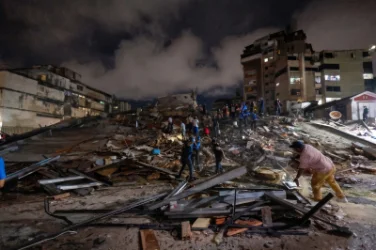
Recognition of Artsakh will be a collective contribution of the international community, says Artsakh's Foreign Ministry

In the context where Azerbaijan, guided by Turkey, ignores the calls of the international community to immediately cease hostilities, and consistently refuses to resolve the Azerbaijan-Karabakh conflict solely through peaceful means, the international recognition of the Republic of Artsakh will become a collective contribution of the global community to restoring peace and security in the region, as well as creating conditions for resolving all remaining issues through negotiations.
For a long time, Turkey has been actively trying to utilize the Azerbaijan-Karabakh conflict to promote its destructive foreign policy agenda in the South Caucasus, openly expressing unconditional solidarity with Azerbaijan and providing direct support to the country, including military support. This was stated in a statement issued by the Ministry of Foreign Affairs of the Republic of Artsakh.
“However, while previously Turkey played a shadow puppetmaster role directing Azerbaijan's actions, Ankara now has direct involvement in the unlawful international actions of the Azerbaijani authorities against the people of Artsakh, encouraging Baku's criminal actions by providing military-political and informational support, supplying weapons, specifically drones and multiple launch rocket systems, sending military specialists, and recruiting mercenaries from the Middle East to participate in the war against the Republic of Artsakh,” the statement adds.
An evident example of Turkey's aggressive behavior today is the downing of an Armenian aircraft by a Turkish F-16 in Armenian airspace.
The degree of threat posed by Turkey's regional role increases against the backdrop of the Turkish leadership's expansionist aspirations based on phantom memories of an empire that committed the first genocide of the 20th century—the Armenian Genocide from 1915 to 1923—before ceasing to exist. Along with these ambitions, the current Turkish authorities have inherited not only the policies of the forgotten empire but also its real criminal structures and means of implementation.
It is noteworthy that the Azerbaijan-Karabakh conflict originated in 1918—precisely as a result of the military intervention of Turkish troops in the South Caucasus. Continuing the Armenian Genocide of 1915, Turkish troops invaded Artsakh in 1918 and perpetrated the massacre of the Armenian population of Shushi. Yet, all attempts by Turkish forces to subjugate Artsakh, which had a brief history of independence from Azerbaijan, have ended in complete failure. More than a century later, Turkey is attempting to turn back the wheel of history.
Turkey's significant role in the crimes committed by Azerbaijan against the people of Artsakh is supported by ample documentary evidence and is beyond doubt. Ankara's responsibility is not limited to the direct perpetration of crimes by the Azerbaijani authorities but also includes the control and direction of criminal actions both in the preparatory phase and during their execution.
Turkey's actions in the context of the Azerbaijan-Karabakh conflict are more than mere assistance and instigation of new crimes against Azerbaijan. The stance of Turkish leaders is an integral part of criminal behavior and indicates the existence of an agreement between Turkey and Azerbaijan aimed at achieving a common goal through coordinated actions and joint oversight of their aggressive plans.
The international community must fully recognize that Turkey, along with Azerbaijan, bears full responsibility for the violations of peace and security in the region and must equally be held accountable for systematic violations of international law norms and the UN Charter.
In light of all these actions, Turkey can no longer be considered a member of the OSCE Minsk Group, nor can it in any way participate in mediation efforts within the OSCE framework aimed at resolving the Azerbaijan-Karabakh conflict. Turkey should be excluded from the composition of the OSCE Minsk Group, as its presence in this international mediating body would signify encouragement of destructive and criminal actions directed at unleashing a war against the Republic of Artsakh.
We again emphasize that under circumstances where Azerbaijan, guided by Turkey, ignores the calls of the international community to immediately cease military operations and consistently refuses to resolve the Azerbaijan-Karabakh conflict solely through peaceful means, the international recognition of the Republic of Artsakh will be a collective contribution of the global community to restoring peace and security in the region, as well as creating conditions for resolving all remaining issues through negotiations.
Moreover, the recognition of stable legal foundations and the legitimate results of the realization of the inalienable right of the people of Artsakh to self-determination will serve as an effective factor in restraining the Turkish-Azerbaijani genocidal policy towards the Republic of Artsakh, which neither Baku nor Ankara is prepared to abandon.
We believe that the international recognition of the Republic of Artsakh fully aligns with the political and humanitarian obligations of the civilized world, especially for those countries that recognize and condemn the Armenian Genocide of 1915-1923.
Նմանատիպ հոդվածներ
Ավելին Society բաժնից
Վենեսուելայի երկրաշարժից հետո կան վիրավոր և անհետ կորած հայեր
Ֆրանսիայում ռեկորդային շոգի պատճառով ատոմակայաններ են կանգնեցվում
Անահիտ Մանասյանն ընդունել է Անդրանիկ Թևանյանի իրավունքներին առնչվող հարցերը բարձրաձայնող անձանց