Prevention of Mass Atrocities is a Shared Responsibility for All

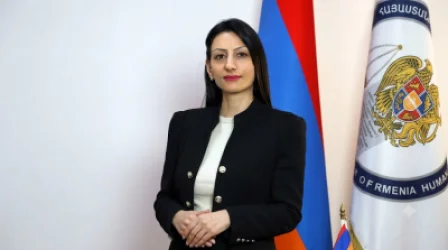
The speech of the Minister of Foreign Affairs of the Republic of Armenia, Zohrab Mnatsakanyan, at the 12th Ministerial Meeting on the Responsibility to Protect
Dear colleagues,
Ladies and gentlemen,
I would like to express my deepest gratitude to the co-organizers of the meeting, Denmark, Costa Rica, and Qatar, for their initiative to bring together twelve ministers, even if remotely. I would particularly like to commend my good friend, Dr. Simon Adams, for his unwavering work in advancing the global prevention agenda. Thank you very much.
Fifteen years ago, we, the member states of the UN, upheld the responsibility to protect as a firm political commitment to protecting peoples from mass atrocities, including genocide. The responsibility to protect is both a political and moral commitment. Alongside the legal obligations stemming from the Convention on the Prevention and Punishment of the Crime of Genocide, it is also a vital tool for prevention.
As a member of the UN Human Rights Council, Armenia has included in its priorities its contribution to global efforts aimed at preventing genocide and strengthening the UN Office on Genocide Prevention and the Responsibility to Protect. The sustained and effective functioning of this office remains a key priority today. In 2015, Armenia led global efforts to establish December 9 as the International Day of Commemoration and Dignity of the Victims of the Crime of Genocide and the Prevention of this Crime. In this way, we have collectively created an additional platform for developing and enhancing our collective efforts towards the prevention agenda.
We have consistently emphasized the necessity of strengthening capacities at national, regional, and international levels to identify and address early warning signs that may lead to mass atrocities. We have also highlighted the need to prevent genocide and other mass atrocities in their early stages. All genocides could have been prevented, whether it be the Armenian Genocide, the Holocaust, the Rwandan Genocide, or other atrocities.
The spread of hatred, intolerance, extremism, propaganda of war, discrimination against racial, national, ethnic, religious, and other minorities, along with targeted attacks on civilian populations, continues to shape the current reality in different corners of the world. The international community, the UN, and its member states are still ill-prepared to respond to this alarm in a timely and decisive manner.
It is a serious cause for concern that the international community neglects the threats voiced, including the denial and justification of past genocides by some political figures using aggressive and offensive rhetoric to remind the descendants of the victims of the
Նմանատիպ հոդվածներ
Ավելին Society բաժնից
ԵՄ երկրները հայկական արտադրանքի արտահանման հարցերն են քննարկվել
ՊԵԿ-ը պարզեցնում է մաքսային ստուգումները․ ինչ է փոխվում
Արեգա Հովսեփյան․ Արցախցիների վերադարձը չի կարող համեմատվել ադրբեջանցիների տեղափոխման հետ