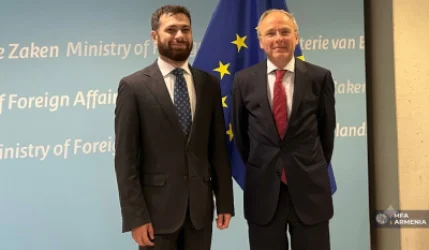
Turkey Rejects Armenia's Right to Access to the Sea: Zohrab Mnatsakanyan

On September 23, Armenia's Foreign Minister Zohrab Mnatsakanyan participated in and delivered a speech at the online ministerial meeting of landlocked developing countries on the topic "Cooperation Aimed at the Rapid Implementation of the Vienna Programme of Action and Sustainable Development Goals of Landlocked Developing Countries." The meeting, chaired by Kazakhstan's Foreign Minister Mukhtar Tleuberdi, also featured UN Secretary-General Antonio Guterres and the President of the 75th session of the UN General Assembly Volkan Bozkir, as well as the UN Under-Secretary-General and UN High Representative for the Least Developed, Landlocked Developing and Small Island Developing States Fekitamoeloa Katoa Utuiqamani, along with foreign ministers from around two dozen countries and leaders of international organizations.
In his address, Minister Mnatsakanyan expressed gratitude to his Kazakh counterpart Mukhtar Tleuberdi for Kazakhstan's effective presidency in the UN group of landlocked developing countries and the efforts made to advance this very important agenda. The minister also extended deep thanks to UN Secretary-General Antonio Guterres for continuous support to landlocked developing countries and for consistently raising issues related to them.
Minister Mnatsakanyan highlighted the new challenges faced by landlocked countries amidst the new coronavirus pandemic, noting that during global lockdown measures, landlocked developing countries encountered greater limitations to sustainable and inclusive growth. In the context of achieving these goals and mitigating the pandemic's impacts on landlocked countries, the Armenian Foreign Minister stressed the importance of the Vienna Programme of Action and the launch of an accelerated implementation roadmap.
"In this year of global upheavals, great difficulties, anxieties, and fears, the international community has a historical opportunity to lay the groundwork for meaningful change and to recover in the best way possible. The risks posed by the new coronavirus pandemic have demonstrated that for the effectiveness of response and recovery efforts, it is necessary to focus on overcoming inequality, discrimination, and lack of inclusivity, otherwise, it is likely that these gaps will widen further. It is crucial that along with addressing the damages caused by the pandemic, we also tackle the pre-existing obstacles on the path to development. Blockades and unilateral coercive measures are catastrophic for sustainable development and contradict the efforts invested in response and recovery. They undermine not only regional development but also peace and security.
For three decades, Turkey has rejected Armenia's right to access the sea by closing the land border. This medieval blockade can be justified neither by reason nor international law, as it directly violates not only relevant international conventions, customary law but also international agreements.
Armenia is fully committed to effective multilateral cooperation aimed at global, international, and regional development. We continue to view inclusive cooperation among landlocked and transit countries as a fundamental prerequisite for removing political barriers to the free movement of people, goods, and services, and for the effective realization of all peoples' economic, social, and other rights.
The promotion of human rights and fundamental freedoms, gender equality, and inclusiveness, as well as the strengthening of democratic values, are priorities for Armenia, based on the understanding that human rights are universal for all parts of the world, for all peoples and individuals, regardless of their place of residence or status.
The provision of a human rights-based and people-centered approach continues to hold a predominant place in response and recovery efforts, and Armenia is fully committed to this. Strengthening human resources and recognizing national talent as a driving force for smart development defines the essence of Armenia's reform and recovery agenda, which particularly emphasizes information and communication technologies, the promotion of innovation, and the development of the ICT sector. The latter are highlighted as effective tools for reducing costs and facilitating access to external markets, thus contributing to the growth of external trade," noted the Foreign Minister.
Concluding his speech, the Foreign Minister reaffirmed Armenia's commitment to effective multilateral cooperation in support of the Vienna Programme of Action and the accelerated implementation roadmap's six priority areas.
Նմանատիպ հոդվածներ
Ավելին Society բաժնից

ՍԴ ընտրական գործով միջնորդությունը մերժվել է․ Վարդանյանն ու Զեյնալյանը չեն մասնակցի քննությանը
Հանրահավաքներին մասնակցելու հրահանգներ էին գալիս WhatsApp-ով
Թմրանյութերի դեպքերը՝ 1313․ ինչ է ցույց տալիս 2026-ի վիճակագրությունը