Threat to Nuclear Power Plant is a Clear Manifestation of Irresponsibility: Zohrab Mnatsakanyan's Interview with France 24

Foreign Minister Zohrab Mnatsakanyan's interview with France 24 media.
Question: Mr. Minister, there have been military clashes between Armenia and Azerbaijan over the past week. The two countries have been fighting over the fate of Nagorno-Karabakh for decades. However, unlike previous flare-ups, the recent clashes occurred far from the last point, on the northern border of both countries. At least 16 people have died, marking the worst casualty rate since 2016. Yet, the situation seems to have calmed over the past few days. Do you think the combat operations have ended, or is there concern that they may resume soon?
Zohrab Mnatsakanyan: Thank you very much. Indeed, over the past week, we witnessed such a situation: on July 12, there was an attempt by the Azerbaijani armed forces to attack and infiltrate the Armenian positions in the northeastern part of the Armenian-Azerbaijani border. Those attempts were decisively repelled, which was followed by shelling of Armenian positions as well as civilian infrastructure and population. We have been resolute in our defense. We have also closely collaborated with our partners, especially the co-chairing countries of the OSCE Minsk Group — France, the US, and Russia — to cease hostilities and restore the ceasefire. What happened was, in fact, an expression of the warlike and hateful rhetoric that has gained significant intensity in Azerbaijan in recent weeks and months. Apparently, they were testing Armenia's resolve and capabilities beyond the borders of Nagorno-Karabakh. This was indeed a very dangerous development. So far, we have managed to calm the situation. On Thursday, once again through close coordination with the co-chairs, particularly with the Russian co-chair and other partners from France and the US, we were able to restore the ceasefire. This remains a fragile situation. For now, it is being maintained, and our goal is to ensure a stable restoration of the ceasefire. We are also taking specific measures to reinforce the ceasefire regime and exclude challenges to the calm along the border and in the contact line with Artsakh. This is certainly our important priority.
Question: Azerbaijan claims that you initiated the combat operations. Azerbaijan has also threatened to strike the Metsamor nuclear power plant if you continue what they call your provocations. What is your response?
Zohrab Mnatsakanyan: Regarding the first question, we have been quite steadfast in terms of implementing measures to reduce tension and investigate ceasefire violations. We are very resolute on this matter. We are also committed to taking further measures, such as expanding monitoring and establishing direct communication on the ground. These are the measures that will help us monitor the ceasefire regime. However, Azerbaijan does not seem very willing to accept those proposals and implement measures that would exclude further possibilities of ceasefire violations. Therefore, I once again urge them to come to the table of reason and accept those proposals, and work with us to strengthen the ceasefire regime.
As for the threats to the nuclear power plant, I believe this is a clear manifestation of irresponsibility directed at the broader region, and it essentially poses a threat to their own people. This is very concerning and highlights a crisis of reason. I think it is crucial for those in Baku to come to their senses.
Question: Who is responsible? I assume you are pointing to the President of Azerbaijan, Ilham Aliyev, who publicly stated a few weeks ago that efforts for a peaceful resolution to the issue are going nowhere, or do you think the President of Turkey, Recep Tayyip Erdoğan, may be the real cause of all this?
Zohrab Mnatsakanyan: I want to emphasize once again that Armenia is fully committed to a peaceful resolution of the Nagorno-Karabakh conflict. War is not an option. War would be a real disaster for the entire region. Armenia and Artsakh have the capacity to defend themselves. However, war must be entirely ruled out. We are fully committed to the peaceful resolution of the issue in a way that addresses the interests of Armenia, Artsakh, as well as Azerbaijan equally. We are working towards a compromise-based solution and will continue to make efforts for a peaceful resolution. This has been and remains Armenia’s commitment.
Regarding Turkey, again, this is very concerning because we have witnessed Turkey's destabilizing role in its neighborhood — in the Eastern Mediterranean, North Africa, and the Middle East. Now we see this factor of instability trying to make its way into our region — the South Caucasus. This attempt is also framed in light of Turkey's so-called 'historical mission' in the South Caucasus. Now you understand that such a 'historical mission' awakens sad memories of the Armenian Genocide carried out in the beginning of the last century, and of course, we are extremely concerned about that. We also witness that the impunity for the crimes against Armenians provides Turkey a basis to clearly assert a role in the South Caucasus.
Question: You mentioned Turkey's role as an example in Syria and Libya. Let me put my question very simply: Are you concerned that Turkey may play a more direct role in the conflict with Azerbaijan, including militarily? Is this a concern, or do you think they are merely declaring their support?
Zohrab Mnatsakanyan: In this matter, Turkey has no role. The peaceful settlement pertains to Armenia, Artsakh, and Azerbaijan, and together with Artsakh, we will continue to constructively cooperate with Azerbaijan to find a solution. We need to work on the sustainable reinforcement of the ceasefire; we need to hear from Azerbaijan a rejection of the threats of force or the use of force. We need to work towards an environment that promotes progress in negotiations. We need to work towards a balance of commitments that will help achieve a proportionate compromise, and there must be a compromise-based solution, which Azerbaijan's maximalistic position does not contribute to. Therefore, we will continue to work in the framework of the OSCE Minsk Group co-chairmanship, which has an international mandate. We appreciate the role of the co-chairs — France, Russia, and the United States — and their stable contribution, commitment, and engagement. Within this framework, we will continue to work towards peace.
Question: I reiterate my question. Are you concerned about Turkey's potential for more direct involvement in the conflict?
Zohrab Mnatsakanyan: Clearly, we cannot be indifferent, as this could only play a role of instability, and of course, we cannot treat it with indifference; it certainly raises concerns.
Question: You spoke about the Minsk Group co-chairmanship, but it hasn’t worked. I mean there have been no milestones in the negotiations. Why not reconsider this negotiation format and do something else? Why continue with something that’s not working?
Zohrab Mnatsakanyan: I cannot agree with the opinion that it is not working. It has worked very effectively and has very solid foundations, a very strong platform where all three countries — Russia, France, and the US — are working very engagedly. They continue to make a significant contribution to the peace process. I see it as a very positive role and don’t see any reason why it should change.
Question: Allow me to ask my last question. Do you think a meeting between the two country leaders will play a decisive role in de-escalating tensions and getting out of this deadlock?
Zohrab Mnatsakanyan: We are committed to employing every means to advance the peace process. Meetings between leaders are part of the process; they have been in the past, and I believe they will be again. However, these meetings need to be carefully prepared, as we genuinely strive to create a solid foundation for progress. Thus, there is direct involvement of foreign ministers who negotiate, and the foreign ministers are preparing their leaders' work. We will continue to work towards achieving results in the negotiations. The meeting of leaders will occur only when we prepare good grounds for such meetings, so that progress is made in negotiations.
Նմանատիպ հոդվածներ
Armenian Armed Forces Demonstrate Exceptional Readiness, Debunking Myths About Azerbaijani Military Capability: Pashinyan
No Conscripts Involved in Ongoing Operations, Says Movses Hakobyan
What is happening at the border? The Ministry of Defense spokesperson provides new details
Immediate Ceasefire Urged by Sergey Lavrov to Yerevan and Baku
Ավելին Politics բաժնից
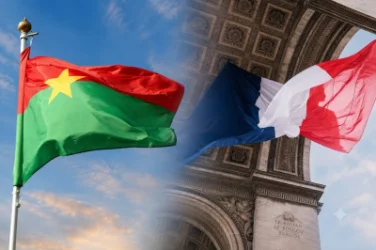
Բուրկինա Ֆասոն խզեց դիվանագիտական հարաբերությունները Ֆրանսիայի հետ
Իրանը հուսահատորեն ցանկանում է համաձայնագիր. Թրամփ
Իրանը փորձում է մեզ ուժով դուրս մղել. Նեթանյահուի կոշտ հայտարարությունը