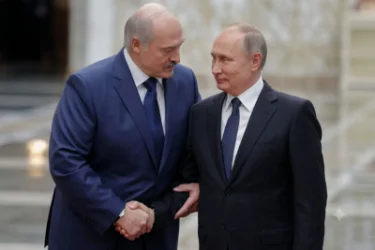
Video: I am pleased with the work done towards the creation of the EAEU gas common market, Pashinyan

First, I would like to express general satisfaction with the work done towards the creation of the EAEU gas common market, as reflected in the report. This was stated by Armenian Prime Minister Nikol Pashinyan during his speech at the regular meeting of the Eurasian Intergovernmental Council on July 17.
He specifically noted, “We hope that further constructive work in this direction will be expedited based on mutual understanding and respect for the interests of all member states of the Union. Among the urgent issues of this program are the transition to market-based pricing mechanisms and the determination of tariffs for gas transportation services in the common market. We are confident that the application of these principles is an important prerequisite for the achievement of the goals of establishing a unified gas market.”
I would also like to present our views on the development roadmaps for agro-industry and industrialization in the Eurasian Economic Space. We consider it appropriate to include major programs in the agro-industry development roadmap that involve interstate cooperation, mutual supply of raw materials or finished products, as well as projects aimed at the development and implementation of innovative technological solutions.
As for the industrialization roadmap of the Eurasian Economic Union, it can become an additional mechanism to promote cooperative collaboration and contribute to the implementation of joint projects for import substitution, as well as assess the potential of the Union's industrial sectors. The development of the industrialization roadmap will also allow for more efficient use of production resources in each member state of the Union and will help support EAEU countries' enterprises that collaborate with businesses from other member states.
Among the issues included in our meeting's agenda, I would also like to emphasize the importance of measures for public health and sanitary-epidemiological well-being to prevent the spread of the coronavirus infection.
In conclusion, I would like to draw special attention to the issue of food security within the EAEU. I note that food security issues have always been a focus of our attention, and as far as I am aware, certain preliminary work has already been carried out in this direction within the EAEU framework. Furthermore, in the 2025 Strategy, we agreed to develop “Common Principles and Approaches to Food Security of EAEU Countries.” However, in the context of the pandemic, addressing this issue has become especially urgent, and therefore, I propose to instruct the Commission to jointly develop and present a food security doctrine (concept) for the EAEU countries.
It should be noted that the regular meeting of the Eurasian Intergovernmental Council in Minsk was also attended by the Prime Minister of Russia, Mikhail Mishustin, the Prime Minister of Belarus, Roman Golovchenko, the Prime Minister of Kazakhstan, Askar Mamin, the head of the Kyrgyz government, Kubatbek Boronov, and the chairman of the Eurasian Economic Commission, Mikhail Myasnikovich.
During the meeting, a wide range of issues related to Eurasian integration were discussed, including trade, the functioning of the internal market, competition, industry, technical regulation, and other areas. Specifically, the implementation of the “Agreement on Product Labeling” in the Eurasian Economic Union and the further development of the labeling system were addressed, along with a comprehensive program of measures in the healthcare sector aimed at preventing the spread of coronavirus and other infectious diseases in member countries.
Also discussed were the draft of the intergovernmental program for cooperation in the EAEU countries, as well as the roadmaps for agro-industrial development and industrialization of the Union. Both of these last two projects envisage the continuous flow of information on major programs, enabling the Union’s partners to eliminate the duplication of production, take development trends into account, and effectively utilize each other's capacities when developing national and investment programs.
During the extended meeting, the heads of government of the EAEU states also signed the minutes of the meeting and documents on the decisions made.
Նմանատիպ հոդվածներ
Ավելին Politics բաժնից
Բուրկինա Ֆասոն խզեց դիվանագիտական հարաբերությունները Ֆրանսիայի հետ
Իրանը հուսահատորեն ցանկանում է համաձայնագիր. Թրամփ
Իրանը փորձում է մեզ ուժով դուրս մղել. Նեթանյահուի կոշտ հայտարարությունը