Why Are Storks Polluted? The Ministry Identifies Possible Sources of Pollution
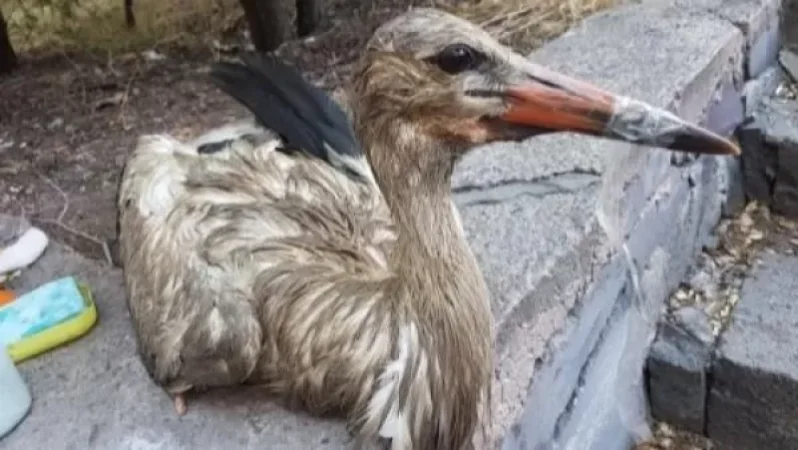
Under the initiative of the Environmental Ministry and led by the minister's legal advisor Karen Aghababyan, experts and volunteers have been conducting monitoring in recent days in settlements within the Ararat and Armavir regions where polluted storks have been noticed. This was reported by the Ministry of Environment.
As a result of the observations, the team members have documented, through networked monitoring, the routes that are regularly used by storks in flight. The observations have allowed for the identification of feeding ground points for the birds and potential sources of pollution.
Preliminary data reveals that a significant number of the affected birds are descending into the areas of certain fish farms in search of food, which, according to initial reports, may lead to contamination of the animals. Studies have shown that currently about 60 percent of the storks breeding between the villages of Hovtashen and Yeraskhahun and Hayanist are polluted.
The professional team has already located and compiled a list of fish farms that may contain sources of pollution. Continuous monitoring will be carried out throughout the week.
The Deputy Minister of Environment, Vardan Melikyan, is preparing a letter to be sent to the Environmental and Mining Inspection Body, to jointly visit the listed fish farms with inspectors and conduct investigations inside.
The issue of stork pollution is receiving daily attention from the Ministry of Environment. All necessary measures are being taken by professional subdivisions within the ministry's authorities to promptly address the existing issue.
Նմանատիպ հոդվածներ

Explosive Devices Discovered Near Yerevan's Meridian Expo Center
Disaster of Acid Drainage in Stepanavan: Response from the Armenian Environmental Front

Major Car Accident in Tavush Region: Kamaz Carrying Soldiers Overturns, 7 Military Personnel Hospitalized

577 New COVID-19 Cases Confirmed in Armenia, 9 Deaths Reported
Ավելին Incidents բաժնից

Աղիքային վարակի կասկածով Բյուրեղավանում ևս 14 մարդ է դիմել բուժօգնության․ նրանց մեծ մասը երեխաներ են

Գիշերվա ուժեղ քամու հետևանքները․ հենասյուներ են շրջվել, մի շարք բնակավայրեր մնացել են առանց հոսանքի

Ցմահ դատապարտյալին տեղափոխել են քաղաքացիական հիվանդանոց. Armlur