The President Cannot Renounce His Constitutional Powers in Any Way
A fundamental requirement of classic constitutional law is that the President (regardless of the type of governance system) has the authority to sign or not sign normative acts accepted by the legislative body following the procedures characteristic of law-making activities (regardless of the degree of differentiation). This was stated by Arthur Ghambaryan, a member of the active commission on constitutional reforms, on his Facebook page.
“The President does not have such authority only in the case of acts adopted by the people through a referendum, such as constitutional amendments or laws. The legal logic is that a constitutional state is not authorized to validate or invalidate the results of the people's will. This same logic cannot apply in the case of a normative act adopted by Parliament. In this case, the head of state has a say, and this has a history spanning centuries; according to my data, no one has ever thought to question it.”
Some very simple truths are:
- Any normative act adopted as a result of the legislative activity of the National Assembly must be sent to the President for consideration.
- The President cannot renounce his constitutional powers in any way (this is not a private right that anyone can choose to reject or exercise). The President is required by virtue of his office to exercise his constitutional powers, and in case of a threat of their violation, take preventive appropriate measures.
- Rather than calling for legal scholars in constitutional law to “remain impartial”, it would be more useful to either present specific arguments or revisit the constitutional development history of the presidential institute, which might illuminate many aspects,” wrote Arthur Ghambaryan.
Նմանատիպ հոդվածներ
Ավելին Society բաժնից

Ավտոմեքենայում հայտնաբերվել է տղամարդու մարմին. մահացածը առողջապահության նախկին նախարարն է
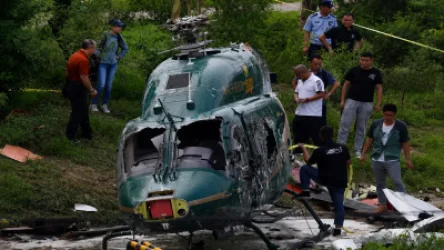
Ուղղաթիռի բոլոր ուղևորները զոհվել են․ ողբերգական ավիավթար՝ Սաուդյան Արաբիայում
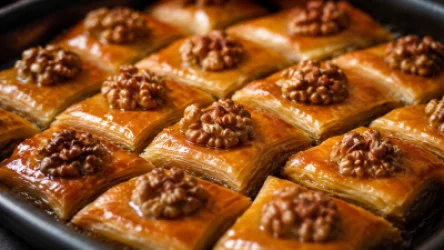
Թուրքիան և Ադրբեջանը փախլավան ցանկանում են ներկայացնել որպես սեփական մշակութային ժառանգություն