Perhaps We Were Too Busy Building a System Rather Than Making Noise: Erik Grigoryan
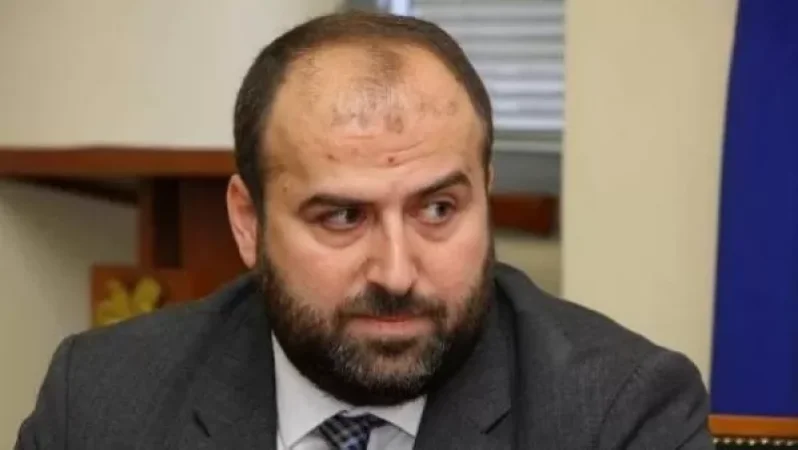
Erik Grigoryan, who recently left his position as Minister of Environment, wrote on his Facebook page:
“Dear compatriots, I have resigned from the position of Minister of Environment at my own request, and I would like to present a report on the work done over the past two years. The work has been carried out through the efforts of the ministry and the subordinate structures, for which I thank our team; I am proud of you.
Yes, our work has not found a place in this widespread sensational and likable information flow, and it may be that we were too busy building a system rather than making noise. The entire staff of the Ministry of Environment, despite the criticisms and often unjust treatment, has done their utmost to solve problems inherited for decades.
No state can be built or strengthened without respecting the work of civil servants—from first-class specialists to prime ministers and presidents. In all our actions, we have been guided solely by state interests and the right of citizens of the Republic of Armenia to have a healthy environment.
I want to express my gratitude to Prime Minister Nikol Pashinyan and my colleagues in the government for their cooperation and collective efforts. Ultimately, environmental protection is the responsibility of each one of us, regardless of profession, workplace, or preferences.
The work completed can be conditionally divided into groups:
Lake Sevan:
1. A complete inventory of buildings subject to dismantlement in the coastal areas of Lake Sevan up to 1901.5 meter mark has been compiled, including calculations of the volumes and types of buildings, financial assessments, and lists of owners.
2. For the first time, a competition was announced for the design works for the cleaning of 10 rivers flowing into Lake Sevan.
3. For the first time, a competition was announced for the design work of dismantling state and municipal buildings existing at a height up to 1901.5 meters, and private building owners were notified about the need for demolition; should they fail to conduct the work, the state will carry it out and later recover costs from the owners.
4. For the first time, about 500 hectares of illegally occupied, undocumented, or improperly registered areas were identified along the shores of Lake Sevan, and information on these has been provided to the relevant authorities.
5. For the first time, inventorying of lease agreements in the Sevan National Park area has taken place, resolving several contracts, and over 100 contracts are being contested in court.
6. A grant program valued at 5 million euros aimed at maintaining the ecosystem of Lake Sevan was approved within the framework of EU-Armenia cooperation, under which ongoing discussions include cleaning riverbeds, constructing wastewater treatment plants, and the reclamation of closed tailings sites from Sotq.
7. For the first time, a detailed study and analysis of coastal areas up to 1901.5 meters above sea level have been conducted using modern methods, including selected areas assessed with unmanned aerial vehicles (with a result of 10cm/px resolution orthophoto images).
8. For the first time, inventories of forested areas within the Sevan National Park have been conducted, which will undergo thinning of over-dense areas.
9. For the first time, the government has approved a method for the restoration, protection, and reproduction of fish and crayfish stocks in Lake Sevan, determining guidelines for industrial fishing quotas, forms, and organization.
10. Unregulated souvenir vendors on Sevan Peninsula have been eliminated, and new modern sales booths have been constructed.
11. For the first time, a program for the restoration of the co-product population has been initiated, funded by a private organization.
12. Under the preparation grant from the Green Climate Fund, studies are underway on the implementation of wastewater treatment in Lake Sevan.
13. Research on water quality in Lake Sevan will be conducted with a grant of 500,000 euros from the German government, involving top lake scientists from Europe in collaboration with monitoring structures of the National Academy of Sciences of the Republic of Armenia and the Ministry of Environment.
14. For the first time, water quality standards for Lake Sevan are being developed and will soon be presented for approval.
15. Funding volumes for monitoring work being conducted in Lake Sevan have been increased.
16. A comprehensive action plan and roadmap for the restoration of the Lake Sevan ecosystem has been developed and submitted to major donor organizations and international financial institutions operating in Armenia.
17. Through the mediation of the Ministry of Environment, the Hydrology and Ichthyology Institute of the National Academy of Sciences of Armenia has received a grant for the financing of its depth measurement program, enabling accurate accounting of fish and crayfish stocks available in Armenia's waters.
18. The Institute has been funded for its works to develop methods against algal blooms in Lake Sevan, with government funding.
19. The operations of private fish farming enterprises in Lake Sevan using net cages have been terminated.
20. The quantity of water taken from Lake Sevan in 2019 was the lowest in the last five years, and through daily monitoring efforts, even lower than the presented water demand was released, which was 26.140 million m3 below the legislated limit of 170 million m3.
21. Sevan National Park and several other specially protected natural areas have been equipped with specialized fire-fighting vehicles, equipment, and supplies.
22. Change in structure has optimized the number of branches.
23. For the first time, concepts of drought and scarcity have been regulated in water legislation, as well as the procedure and conditions for declaration are necessary for flexible management in such situations.
24. Legislative changes completely prohibited the construction of hydropower plants in the central and immediate impact areas of Lake Sevan.
25. Legislative changes established the conservation requirements for any physical or legal person conducting recreational activities aimed at pollution reduction.
26. For the first time, a water use permit was granted for the transfer, accumulation, and use of water from the Yeghigis River to Lake Sevan.
... (The content continues in detail, outlining further achievements and regulatory changes in environmental management).
Wishing everyone health and prosperity.
Respectfully,
Erik Grigoryan
Նմանատիպ հոդվածներ
Ավելին Politics բաժնից

Հանուն սեփական քաղաքական գոյատևման պատրաստ է քայքայել ՀՀ սահմանադրական և պետական ինստիտուտները․ ՀԱԿ
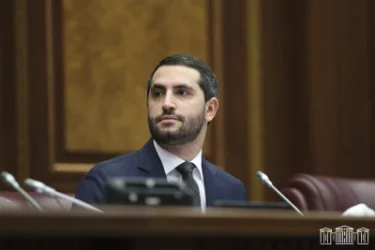
Կալուգացիները հայտարարեցին՝ վերցնում են պատգամավորական մանդատները. դա նրանց չի փրկելու. Ռուբինյան
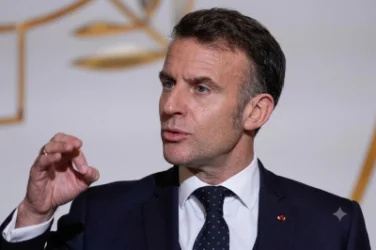
Ինչ պաշտոն է դիտարկում Մակրոնը` նախագահական ժամկետի ավարտից հետո