Arsen Torosyan Confirms Mask Usage Guidelines
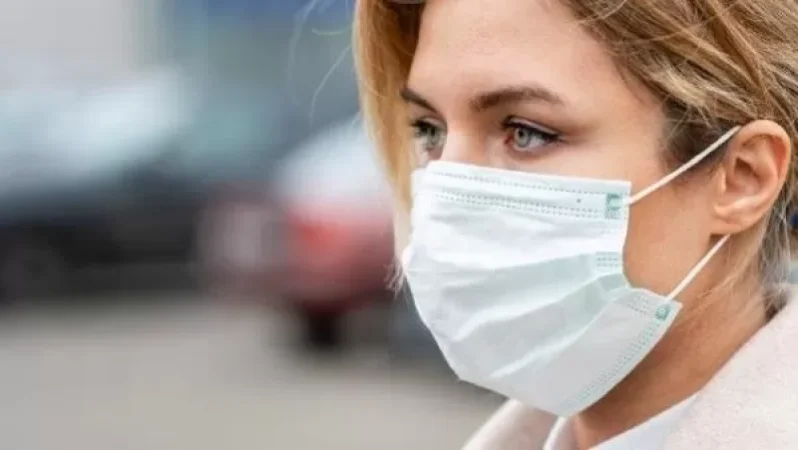
The Minister of Health has approved the "Methodological Guidelines on the Use of N95 Masks in Medical Organizations Related to COVID-19 and Measures to Enhance Their Effectiveness" according to the appendix.
METHODICAL GUIDELINES
1. These methodological guidelines are intended for organizations providing medical assistance and services to patients with COVID-19. Private healthcare facilities are also advised to follow these guidelines.
2. The guidelines are based on recommendations developed by the U.S. Centers for Disease Control and Prevention (CDC), aimed at the effective and economical use of N95 masks while ensuring safety for healthcare personnel.
3. To enhance the effectiveness of N95 mask use, healthcare organizations are advised to implement the following measures:
1) Administrative measures:
a. Ensure proper ventilation in the facility, install glass or plastic barriers, and curtains in reception areas,
b. Limit patient admissions by pre-screening to select those in need of urgent care,
c. Exclude auxiliary staff (e.g., kitchen staff, housekeepers) from contact with patients,
d. Isolate medical staff who have close contact with patients from the rest of the staff,
e. Use teleconsultations for discussions about patients’ conditions with other medical personnel,
f. Exclude visits from patients' relatives,
g. Reduce the number of staff wearing N95 masks to only those in close contact with patients,
h. Provide training on mask-wearing instructions and donning/doffing rules for staff wearing N95 masks (using a limited number of masks during training),
i. Consider using alternative masks suggested by the U.S. Centers for Disease Control and Prevention (CDC) / National Institute for Occupational Safety and Health (NIOSH).
2) Long-term use of N95 masks:
a. It is not mandatory to change the mask every time when approaching different patients, considering that masks can be used continuously or intermittently for 8 hours,
b. Priority should be given to staff in high-risk contact with patients having complications from infections.
3) Along with implementing the long-duration mask-wearing approach, the following instructions regarding mask discarding should be presented to the staff:
a. Discard the mask after procedures that generate aerosols,
b. Discard the mask when contaminated with blood, respiratory secretions, or other biological fluids,
c. Wear a face shield over the N95 mask to prevent contamination,
d. Perform hand hygiene using alcohol-based solutions or soap after each touch to the mask.
4) Reusing N95 masks: This approach allows wearing the same mask multiple times for the same patient during the day (removing the mask when approaching another patient and re-wearing it when returning to the previous patient). The masks can only be reused by the same individual. Based on safety concerns, it is recommended not to exceed 5 times of reuse. During the reuse intervals, the masks should be kept in designated containers (marked with the wearer's name) to prevent use by others and should be stored properly to prevent deformation, ensuring a snug fit during each use.
5) Long-term use of N95 masks is preferred.
6) The effective and economical use of N95 masks is determined by the management of the healthcare organization based on the suggestions of the responsible person for preventing nosocomial infections. The approach should consider the number of confirmed COVID-19 patients, cases of infection among healthcare workers, transmission routes, prevalence of infection, disease severity, and the organization's capabilities (availability and quantity of N95 masks, frequency of mandatory use).
Նմանատիպ հոդվածներ


Ավելին Other բաժնից

19:00 Լուրերը մեկ տողով. Հեծանիվ վարելիս 12-ամյա երեխա է մահացել. Փարիզը պատել է շոգը, Մոսկվան՝ հորդառատ անձրևներ

18:00 Լուրերը մեկ տողով. ֆուտբոլիստի մահ. Թուրքիայի ակնկալիքը ԱՄՆ-ից

17:00 Լուրերը մեկ տողով. Հրդեհ Երևան-Երասխ ճանապարհին. սոցցանցերի արգելք երեխաներին