What Principles Determine the Daily Number of Tests Conducted? Arsen Torosyan
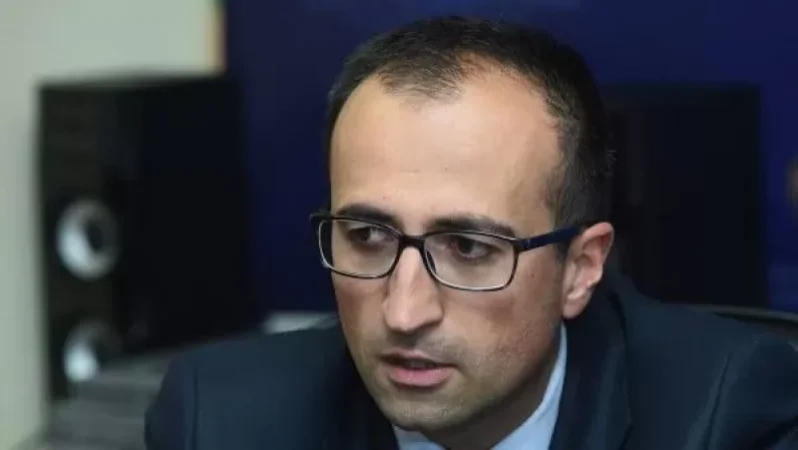
Amid the spread of the new coronavirus, numerous false information regarding the onset, transmission, and treatment of the disease has emerged. The Information Verification Center posed several questions to the Minister of Health Arsen Torosyan regarding the diagnosis and treatment of coronavirus in Armenia.
1. What criteria are used for testing?
Preventive and anti-epidemic measures against the coronavirus, including laboratory tests, are carried out according to established procedures. Testing is performed on patients who exhibit symptoms typical of the disease (high fever, cough, difficulty breathing) or have had close contact with confirmed positive cases, as well as patients with pneumonia. Healthcare workers currently employed in any medical institution and exhibiting alarming symptoms of acute respiratory infections are also tested, as are newborns born to mothers with confirmed COVID-19 and pregnant women admitted to obstetrical hospitals who are experiencing fever and flu-like symptoms.
2. What principles determine the daily number of tests conducted?
The number of tests conducted on a daily basis is not predetermined. The tests collected on a given day are sent to six laboratories, where the tests are examined. The number of tests can vary greatly from day to day and is not determined in advance. There are also occasions when laboratories halt operations for preventive work, such as final decontaminations and equipment calibrations.
3. Is there an average daily number of tests conducted?
No, there is no average daily number of tests conducted and there cannot be one. The maximum possible volume of tests conducted daily fluctuates around 1,000-1,200, depending on the number of laboratories operational that day.
4. In the past week, we have had 42-58 confirmed cases daily, while the number of tests conducted has ranged between 537-1161. What accounts for this disparity in numbers?
The Ministry of Health does not pre-determine the number of positive results expected. The number of positive cases becomes clear only after the tests conducted throughout the day, and if a large volume of tests yields few or the same number of positive results, this indicates that testing is targeted and specific to certain groups.
5. How long is the recovery cycle? If a test result is positive, is a person considered recovered after 14 days? What principle applies here?
The recovery cycle can vary from 14-28 days depending on the severity of the illness. In the case of a positive test result, a person is not necessarily considered recovered after 14 days; a second negative test result is required. There are many instances where recovery does not occur after 14 days.
6. Are antibody tests for the virus conducted in Armenia to determine if a person has previously been infected or recovered? If not, why?
Antibody tests for the virus are not conducted in Armenia because such tests are not available. There is currently an academic debate worldwide about whether these tests are sufficiently accurate and specific for practical use.
Նմանատիպ հոդվածներ




Ավելին Other բաժնից

10:00 Լուրերը մեկ տողով. Իրանը փակել է նեղուցը, թեժ բախումներ Մերձավոր Արևելքում, ողբերգական մահ Երևանում

19:00 Լուրերը մեկ տողով. Հեծանիվ վարելիս 12-ամյա երեխա է մահացել. Փարիզը պատել է շոգը, Մոսկվան՝ հորդառատ անձրևներ

18:00 Լուրերը մեկ տողով. ֆուտբոլիստի մահ. Թուրքիայի ակնկալիքը ԱՄՆ-ից