How the Bodies of Individuals Deceased from Coronavirus Should be Transferred to Armenia and Buried
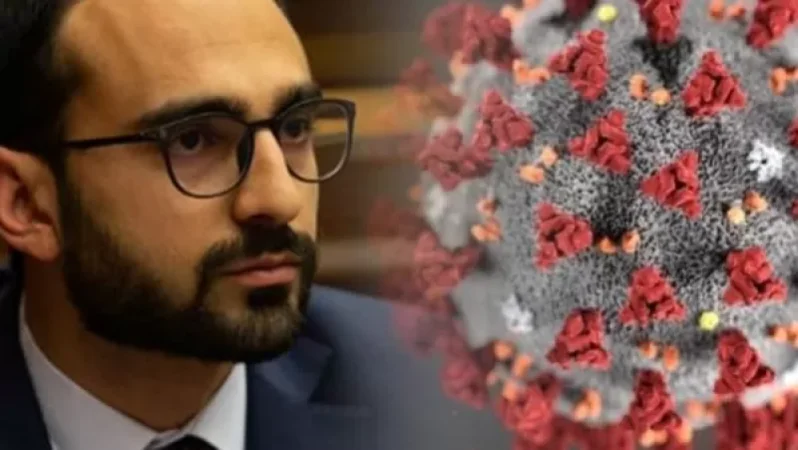
According to the decision by the governor Tigran Avinyan, the procedure for transferring the bodies of individuals deceased during the state of emergency from abroad to the Republic of Armenia has been established.
- During the state of emergency, the bodies of deceased individuals from abroad are transported to the Republic of Armenia in sealed coffins.
- When transporting coffins containing bodies across the border of the Republic of Armenia, their declaration is carried out in accordance with parts 18-20 of Article 260 of the EAEU Customs Code.
- The authorized officer of the relevant customs body of the Republic of Armenia seals the coffin with a numbered stamp and hands it over to the funeral service providers in accordance with Article 13 of the Law on “Funeral Services and Operations of Cemeteries and Crematoriums” of the Republic of Armenia dated February 27, 2006.
- Subsequently, the coffin is transported to the morgue located at 1 Bagratounyats Street, Yerevan, where morgue staff open the coffin in a completely glassed-off and enclosed area, showing the corpse to the deceased's relatives visibly from the other side of the glass. After that, the body is placed inside a bag lined with chloracrine and then placed back inside the same coffin. The customs officer again seals the coffin in the same manner and provides a corresponding notification to those responsible for the burial, while simultaneously confirming the date, time, and location of the burial, and hands the coffin in a sealed condition to the receiving individual.
- The authorized officer of the customs body immediately transmits the information stated in point 3 of this regulation along with the notification to the Police of the Republic of Armenia for the purpose of transferring it to the relevant territorial division of the police at the burial site.
- On the day of burial, an employee of the territorial division of the Police of the Republic of Armenia appears at the burial site and checks the presence, absence, or damage of the seal on the coffin immediately before the burial, documenting it through photography.
- In the case of absence or damage of the seal, the employee of the territorial division of the Police of the Republic of Armenia submits a corresponding report to the police territorial division.
Removing, damaging, or opening the seal of the sealed coffin is subject to administrative or criminal liability according to the legislation.
1. Violating sanitary epidemiological rules, which has negligently caused mass hospitalization or intoxication among people, is punishable by a fine of up to two hundred times the minimum wage or deprivation of the right to hold certain positions or engage in certain activities for up to three years, or imprisonment for up to three years. The same act that negligently causes serious damage to human health or results in a person's death is punishable by imprisonment for up to five years.
2. Violating sanitary, hygienic, and sanitary-epidemiological norms and standards (excluding food safety norms and atmospheric air protection norms) results in a fine for citizens ranging from ten to twenty times the minimum wage, and for officials from forty to two hundred times the minimum wage. The same act, if committed again or subsequently within a year after the application of administrative penalties, results in a fine for citizens ranging from twenty to thirty times the minimum wage, and for officials from one hundred to five hundred times the minimum wage.
Նմանատիպ հոդվածներ

Ավելին Other բաժնից

11:00 Լուրերը մեկ տողով. Ռազմական բախումներ Մերձավոր Արևելքում, ԱՄՆ-ն գաղտնի վերահսկողություն է սահմանել Վենեսուելայում
10:00 Լուրերը մեկ տողով. Իրանը փակել է նեղուցը, թեժ բախումներ Մերձավոր Արևելքում, ողբերգական մահ Երևանում

19:00 Լուրերը մեկ տողով. Հեծանիվ վարելիս 12-ամյա երեխա է մահացել. Փարիզը պատել է շոգը, Մոսկվան՝ հորդառատ անձրևներ