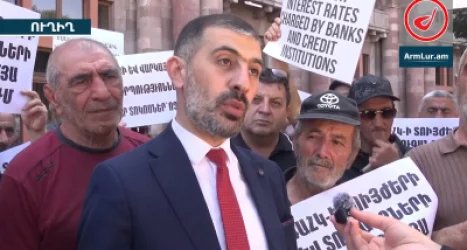
Crime Evidence and Consequences Discovery Rate Increased by 92%: Abrahamyan

According to Abrahamyan, the rate of discovering evidence of crimes and their consequences by investigative bodies, investigators, and prosecutors has significantly increased by around 92% in 2019 compared to 2018. A substantial portion of this increase comes from cases where various state bodies have broadly utilized their oversight, verification, and investigative tools to identify what they believe to be elements of criminal acts. These findings are documented and presented to the prosecution, leading to additional, more comprehensive investigations, the initiation of verification actions, and the opening of criminal proceedings.
This area has indeed seen serious collaboration between the Prosecutor’s Office and state bodies. To illustrate this, here are three examples:
- During 2019, the Republic of Armenia's State Oversight Service submitted 33 different study materials to the General Prosecutor's Office, resulting in 31 criminal cases being opened based on the additional investigations or materials prepared related to these studies. Six of these cases were initiated as a result of studies conducted by the General Prosecutor's Office.
- From the State Property Management Committee, 18 different studies concerning the protection, management, and disposal processes of state property were received in 2019, based on which 16 criminal cases were opened, 13 of which were initiated solely in the State Interests Protection Division of the General Prosecutor's Office.
- Approximately 30 reports published by the Republic of Armenia’s Audit Chamber in 2019 led to the requirement and examination of 20 reports of interest by the State Interests Protection Division of the General Prosecutor's Office. Of these, 7 resulted in the initiation of criminal cases by the division and prosecutors of the Armavir region, and 1 was forwarded to the Investigative Department of the NSS for resolution in conjunction with an ongoing criminal case. The remaining reports are currently under review.
Such cooperation has also been developed with other state bodies, including the Office of the Prime Minister of the Republic of Armenia, the Ministry of Health, the Ministry of Education, Science, Culture and Sport, the Ministry of Labor and Social Affairs, the Ministry of High-Tech Industry, the Food Safety Inspection Body, regional administrations of Tavush and Kotayk, and many other state institutions.
This is truly a motivating factor and an additional opportunity to uncover all cases of obvious crimes committed or being committed, to provide legal evaluations for them, repair state damages, as well as to uphold the principles of unavoidable responsibility and equality before the law.
Նմանատիպ հոդվածներ
The Number of Victims in Armenia Reaches 10; 40 New Coronavirus Infections Confirmed
28 New Coronavirus Cases Confirmed in Armenia, Total Infections Reach 881
4-Year-Old Infected with Coronavirus Undergoes Facial Surgery: Armen Muradyan
16 New Cases of Coronavirus Infection Registered; Total Cases Reach 937, One Death Recorded
Ավելին Society բաժնից
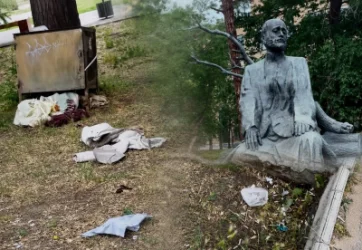
ՏԵՍԱՆՅՈՒԹ.Կեղտը, ամայությունը, լքվածությունը և Կոմիտասը Երևանի կենտրոնում.Նատա Բրետելն

Ռուսաստանի մարզերից մեկում առաջարկվել է բենզինը վաճառել մեքենաների համարանիշներով
Սյունիքում մեկ տարում 869 ընտանիք զրկվել է նպաստից. «Ուժեղ Հայաստանի» անդամ