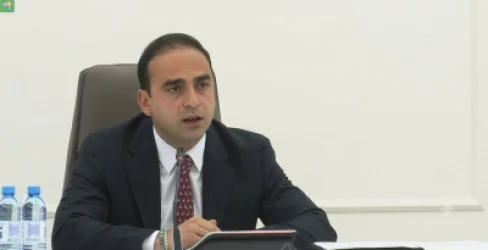
MPs Against Independent Media: Controversial Bill in the National Assembly

Television and radio companies operating in the Armenian media landscape, as well as organizations engaged in the protection of journalistic and freedom of speech, have repeatedly been compelled to make public statements regarding attempts at partial regulatory changes in the media and advertising sector, both previously and particularly in recent times.
The undersigned organizations note that:
- Often, theses, legislative initiatives, and proposals for partial amendments to the laws of the Republic of Armenia introduced by individual MPs and authorized representatives of the Government disrupt the long-standing unified legislative framework regulating the media sector.
- Without consulting relevant organizations and media companies, and without considering the opinions of experts who assess existing issues in the practical field, the introduction of new tools further complicates the situation.
- The proposed amendments, whether introduced or already taking on legislative form (for example, the amendments to the Law on Television and Radio that removed the ban on advertising on Public Television made during the mid-budget fiscal year of 2020), create economically unpredictable challenges and issues for media outlets that have already planned their budgets and developed strategies.
- We support a comprehensive restructuring of the media sector, as we have had relevant participation in the discussions organized by the National Assembly of the Republic of Armenia (RA), have regularly held discussions, and are ready to conduct joint discussions with the relevant working group of the NA.
- While the RA National Assembly initiates a comprehensive revision of the Law on Television and Radio, it is unacceptable to raise episodic issues and make decisions that will result in a legislative package with contradictory solutions and tools instead of systemic changes.
- Proposed changes concerning the protection of freedom of speech, revealing the true owners of media outlets, and real and artificial concerns about fair competition often threaten to reduce the legitimate financial sources of media organizations, thereby placing them under various economic, political, or other non-public dependencies.
Recently, the draft law P-491-27.02.2020-FV-011/0 was introduced by MPs Varazdat Karapetyan and Artak Manukyan regarding amendments to the Law on Consumer Credit, which essentially excludes advertisements and announcements about credit organizations and loans from television and radio broadcasting.
We note that:
- Media outlets have repeatedly raised public awareness and financial literacy through audiovisual reports regarding existing problems, demonstrating issues in the lending sector impacting human lives.
- Instead of solving the existing problems in this financial sector, there is an attempt to ban a specific part of advertising, which will benefit other platforms (online publications, social networks), which will not protect consumers but will open doors for providing information through alternative means.
- Concerned about this issue, we believe that the resolution of the matter belongs to the financial and regulatory domain, not the media platforms.
Having stated and recorded all this, we express our concern and anxiety that, contrary to all our statements, public calls, and efforts for dialogue and initiatives, attempts at unilateral interventions with the application of restrictions in the media sector continue without dialogue and consideration of opinions.
We propose to suspend initiatives for partial changes in the media, television, and radio sectors until the complete and comprehensive revision of the Law on Television and Radio, which the professional subcommittee of the NA has already undertaken.
We declare that we will not remain silent against such manifestations going forward and are prepared to resort to more radical measures and actions permitted by the legislation of the RA to rectify this situation and protect our freedom of speech and the legislative field for free economic activity.
Նմանատիպ հոդվածներ
Urgent: First Case of Coronavirus Infection Recorded in Armenia - Nikol Pashinyan
Urgent: Two Flights from Italy to Arrive in Armenia; Special Measures Implemented
Prime Minister Pashinyan Apologizes to Young Man from Kapan
I am halting my duties as the spokesperson for the Ministry of Defense: Artur Hayrapetyan
Ավելին Politics բաժնից
ԿԸՀ-ն ընդունում է, որ եղել են ընտրախախտումներ․ Արամ Վարդևանյան
Վահագն Հովակիմյանը չի կարող լինել անկախ և անաչառ. Արամ Վարդևարյան
Վարդևանյանը հետ վերցրեց իր ասածը. ԿԸՀ նախագահ