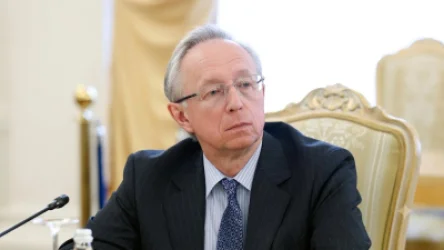
Russian-Turkish War? Expert Analysis

Turkologist Varujan Geghamyan writes on his page: Russian-Turkish War?
Extraordinary events occurred during the night in Syria, which are widely characterized as a new Russian-Turkish war. What happened:
- During the night, the governor of Turkey's Hatay province (which borders Syria's Idlib region) announced that the Turkish Armed Forces had lost 33 soldiers.
- On this occasion, the President of Turkey convened an extraordinary meeting of the Security Council, which lasted several hours and concluded without any announcement.
- A Turkish high-ranking official, whose name is not mentioned in any source, declared that Turkey will no longer hinder the flow of migrants from Syria to Europe. Photos and video footage have appeared online supposedly depicting the movement of migrants towards the Greek-Turkish border. This information has not been confirmed.
- The Turkish opposition convened an extraordinary closed-door session of the Turkish Parliament in the morning.
- Turkish authorities have restricted access to social networks such as Facebook, Instagram, Twitter, and even WhatsApp, although access is possible via VPN. During the night, dozens of people started spontaneous protests near the Russian Embassy gates in Istanbul.
- The United States announced that it stands alongside Turkey but provided no further details.
This is what we know at this moment. Now, I would like to make a few observations:
The official Turkish rhetoric is not rushing to target the Russians. It is clear that a decision has been made not to engage in an open confrontation with Russia just yet. Official sources point to the “treacherous Assad regime” as the culprit. Judging by Russian media, they are doing the same in Moscow.
Meanwhile, everyone understands that on the battlefield, Turkey is clashing with Syria, Russia, and Iran on the other side. On unofficial platforms, including pro-government Turkish media, calls are being made to declare war on Syria and seize the “lands of Turkey’s security” (this refers to the conquest up to Damascus). Turkish officials are seeking support from the West, particularly from NATO. As far as I understand, NATO’s charter does not provide for assistance if a member country is conducting military operations in another country's territory, especially not against a state but against a third force (Turkey has not declared war on Syria but is fighting against the “regime and terrorists”).
I do not think the migrant card will work. With Trump in a pre-election situation, it is unlikely he will send troops against the Russians to protect Turkey, which has become unpopular in the United States in recent years. Erdoğan has raised the stakes in Syria to such an extent that any retreat could be disastrous for his administration. This is well understood by both the authorities and the opposition in Turkey. Given how heavily they bear the death of a soldier, massive public pressure on the Turkish government will surely start today.
Idlib is the last complex issue of the Syrian war, representing a condensed version of the entire war. Moreover, if until now, it was possible to find compromises on various matters, this time issues that have accumulated and been buried over the years have surfaced—from the neutralization of Islamist militant terrorists to the restoration of Syria's territorial integrity, concerning which there is no consensus on either side. A bit of history: this is the first time since World War I that Russia has killed a Turkish soldier. Not even after the downing of a Russian bomber in 2015 did such an incident occur. In every respect, this critical situation is a watershed for all parties involved; hence, it will turn into a battle of life and death. Let us not forget that what happens there can also affect us—ranging from tensions in Artsakh to border security.
Նմանատիպ հոդվածներ
Urgent: First Case of Coronavirus Infection Recorded in Armenia - Nikol Pashinyan
New Details from the 'Elite' Military Unit: Results of the Investigative inquiry by the Defense Army
I Just Spoke with the Georgian Minister of Health: Arsen Torosyan
Video: About the Necessity and Rules of Wearing Masks by Arsen Torosyan
Ավելին Politics բաժնից
Ջենիֆեր Լոպեսին նայելով ապագա չեն ընտրում. ՍԴ դատավոր
«Թրամփի ճանապարհ» նախագիծը միայն կշահի Ռուսաստանի մասնակցությունից․ Գալուզին
Հայաստանը չի գտնի ռուսական շուկային այլընտրանք. Գալուզին