The Composition of Metal Concentrates Exported from Armenia is a Secret
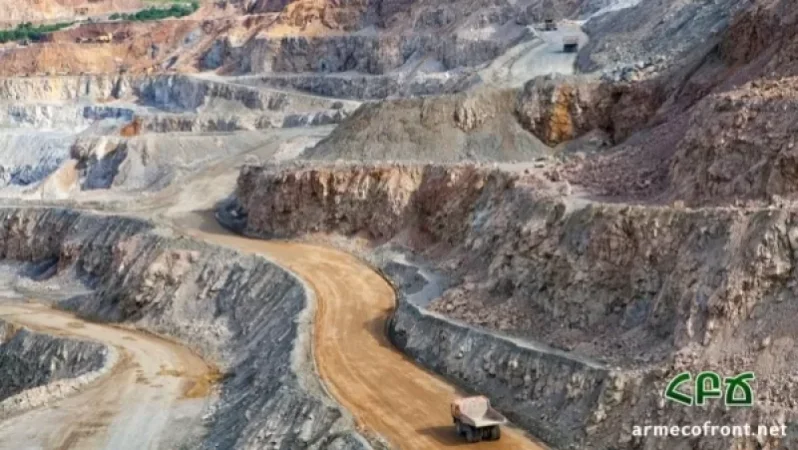
The composition of metal concentrates exported from Armenia is a secret, and the government has never verified it. This was announced by the Armenian Environmental Front (AEF).
The statement also mentions: “Since June 26, 2019, the Armenian Environmental Front has been trying to find out from the RA Government Office whether any state body has ever checked the contents of all valuable elements in the metal concentrates exported from Armenia. We also requested information on which state institution conducted such checks, how often, and how one could access that data.”
Our inquiry was forwarded by the office to the RA State Revenue Committee (SRC), from which we received a response from Vice President Shushanig Nersisyan, spanning half a page. The response revealed that the SRC decided not to answer our questions, but rather to inform us about the existence of some decision of the Eurasian Economic Union (EAEU) and the definition of the term “minerals” stipulated therein. Subsequently, they referred to data mentioned in the first paragraph that have no connection at all with our inquiries and informed us that within the framework of the EAEU regulations, companies exporting concentrates are required to submit an expert conclusion on the composition of each shipment.
Since our inquiries were essentially unanswered and the requested information was not provided, and such a content-based response is simply unacceptable in post-revolutionary Armenia, we sought to restore the right of RA citizens to know this information. In relation to the issue, we applied to the Office of the Human Rights Defender, requesting to examine the matter and restore our violated rights.
As a result of the actions of the Human Rights Defender's Office, we received a broader response from the SRC President Davit Ananyan. However, that answer was also styled similarly to the previous one; again references were made to the EAEU customs regulations, the laws of the RA, and the order of the Minister of Finance from March 9, 2015, on approving the list of information to be submitted to customs bodies regarding the expertise of concentrates exported from the territory of Armenia.
Before delving into the substance of this response, we would like to remind the SRC and its president that the Republic of Armenia is an independent state, having existed long before the creation of the EAEU and the aforementioned order, and various metal concentrates have been exported from our country for over two decades. Our questions relate to all periods of independent Armenia's existence, rather than just processes that occurred after the formation of the EAEU. It is unclear why references to decisions made in 2014 regarding this structure and the Minister of Finance's 2015 order are made instead of providing clear answers to our and the Human Rights Defender’s inquiries.
Now according to the content of the SRC president’s answer mentioned in the 2015 order, it is indicated that for the export of metal concentrates from the RA territory, along with other documents, an expert conclusion regarding their testing is submitted to the customs bodies, which includes the following information: For concentrates, the mass percentages (%) of the elements indicated in the contract; for alloys, the mass percentages (%) of the elements specified in the contract.
It turns out that customs authorities possess specific information about the composition of the concentrates, which is provided by exporting companies but only concerning elements specified in the subsoil use contracts, while an alternative laboratory verification of this data is not conducted by the state, as such a requirement is not stipulated in the customs legislation. Naturally, numerous other precious metals may be contained in the concentrates that could go undeclared and be exported from Armenia without any payment.
Additionally, it is unclear which countries' laboratories conduct these assays, whether they are certified, how all of this is regulated, and whether there is a conflict of interest.
We also received the response from the Ministry of Economy about our questions mentioned at the beginning of the article, which again made references to various decisions of the EAEU. It turns out that the ministry issues licenses for the export of metal ores and concentrates, but these do not stipulate any requirement for declaring the contents of all valuable elements and government verification, thus the ministry has no information on this matter.
In summary, we must sadly note that the state does not verify or monitor the composition of metal concentrates and alloys, which constitute a significant part (annual $500-700 million) of Armenia’s exports. This is simply an unacceptable phenomenon, and urgent legislative changes are necessary to resolve this issue.
Now let’s move on to the second part of our inquiry, which pertains to providing information about the composition of exported metal concentrates to RA citizens.
As we mentioned above, customs authorities only obtain specific information based on the declared composition of metal concentrates, but not through their own studies, rather based on data provided by exporting companies. However, as SRC President Davit Ananyan stated in his response, again citing the EAEU customs legislation, public officials who have the right to access that information are not permitted to disclose it or transfer it to third parties, including state bodies, because it contains “state, commercial, tax, banking, and other confidential information.”
He also referred to point 3 of Article 60 of the RA Law on Customs Regulation, according to which any information constituting state, banking, insurance, commercial, or service secrets cannot be disclosed by customs authorities or their officials for personal purposes or transferred to third parties, including state bodies, except in cases stipulated by law. Ananyan also believes that the information we requested may also contain tax secrets and, according to paragraph 63 of Article 4 of the RA Tax Code, can be provided with the consent of the taxpayer.
Summary and Suggestions
This entire situation and correspondence present the following picture:
- It creates an impression that Armenia did not exist before the EAEU or that the country did not export concentrates at all,
- State bodies do not check the contents of metal concentrates and alloys exported from Armenia,
- One of the key components of this largest sector (30-40 percent) of our exports is not monitored at all,
- The information provided by exporting companies to the customs bodies regarding the composition of concentrates and alloys is regarded as confidential by the SRC president, and it is prohibited to transfer that information to the real owners of Armenia’s subsoil—the citizens of RA.
This is simply an unacceptable phenomenon, and we believe that the RA National Assembly and government should urgently discuss this issue and propose legislative solutions that ensure the following minimum regulations:
- The state must continually conduct laboratory verifications of the composition of exported metal concentrates and alloys to ascertain the actual contents of declared and all other elements.
- This information should be accessible to the citizens of the RA as the real owners of our country’s subsoil.
- These changes should be made as soon as possible through an inclusive process, actively engaging the public and professional communities.
As an environmental civil group, we are ready to support the implementation of these changes, provided there is agreement on the aforementioned fundamental issues.
Նմանատիպ հոդվածներ




Ավելին Other բաժնից

Դանիել Իոաննիսյանը հրապարակել է վիճակագրություն ընտրատեղամասերից

20:00 Լուրերը մեկ տողով. Ընտրացուցակների չեղարկման պահանջ, ԱՄՆ-ի նոր ռազմական օգնություն Ուկրաինային
19:00 Լուրերը մեկ տողով. ԱԱԾ նախկին պաշտոնյաների մեղադրանքը, հայկական պատմական բանաձևը ՄԱԿ-ում