Gas Poisoning Cases Remain High: 12 Incidents Recorded in the Last 10 Days

Gas poisoning cases are not decreasing, with 12 incidents recorded in the republic in the last 10 days, resulting in 32 individuals (6 men, 13 women, and 13 children) suffering from poisoning, and 4 fatalities (1 woman, 1 man, and 2 children). This situation is largely attributed to citizens' negligence of safety rules and the failure to use detection devices.
Be Informed
Carbon monoxide (CO), also known as the silent killer, is produced during the combustion of carbon-containing materials and objects. It is emitted during the burning of coal, oil, firewood, natural gas, and nearly any fuel source that can be used for energy generation. Coal fires significantly release CO, causing many fatalities during such incidents, often more so than from the fire itself.
Carbon monoxide poisoning is dangerous to life and health, as it can quickly lead to death.
How CO Works
CO has no taste, color, or odor, and it does not irritate the respiratory system or skin, making it easy to mix with air. The danger of carbon monoxide lies in its ability to bond with hemoglobin, a protein found in red blood cells (erythrocytes) that is essential for breathing. In the lungs, hemoglobin collects oxygen and converts to oxyhemoglobin, which is then carried by blood to organs and tissues. CO bonds with hemoglobin more firmly and lightly than oxygen, creating carboxyhemoglobin, which the body cannot utilize, obstructing the desire to breathe. Blood becomes more saturated with CO, turning increasingly red, while organs become asphyxiated. Death results from asphyxia, often going unnoticed until it is too late. Despite the red coloration of the face in victims, which can mislead onlookers, the lack of oxygen often manifests as pallor or even cyanosis.
Non-lethal carbon monoxide poisoning may cause nausea, dizziness, and cognitive disruptions. Severe exposure, such as spending a prolonged time in a small closed area with burning fuel, can induce hallucinations, loss of consciousness, and convulsions.
Main Symptoms of Carbon Monoxide Poisoning
The leading cause of mass poisoning is improper handling of gas appliances and failure to recognize poisoning symptoms in time, which can be easily confused with food poisoning or flu. Main symptoms include:
- Headache
- Fatigue
- Shortness of breath
- Dry cough
- Nausea
More serious symptoms include:
- Loss of balance
- Vision loss
- Memory disturbances or loss of consciousness
All of this can develop within a couple of hours.
How to Assist Someone Poisoned by CO
At the first suspicion of carbon monoxide poisoning, it is crucial to call emergency services. No antidote exists to neutralize CO's effects; thus, the main goal of medical care is to saturate any remaining functional hemoglobin with oxygen.
- Until help arrives, allow the victim to breathe fully. Remove tight clothing, and ensure they are moved to fresh air. If conscious, offer coffee or tea, as caffeine stimulates the respiratory center in the brain.
- Cover the victim with a blanket or warm clothing, as carbon monoxide poisoning can disrupt body temperature regulation, leading to hypothermia, even in otherwise suitable temperatures.
Note: The above measures will only aid in cases of mild CO poisoning. Carbon monoxide is a potent poison, and in severe poisoning scenarios, medical intervention may be ineffective.
How to Protect Yourself
• Do not use gas stoves for heating your home.
• Avoid installing exhaust systems in rooms with gas heaters; they should not be in the same room.
• Regularly check that gas appliances are functioning correctly. If heating is not provided by city-standard systems but instead by a gas heater or stove, you must periodically inspect heating equipment.
• If gas appliances exist in a room, ensure it is vented regularly, and consider installing an air inlet to allow constant oxygen intake.
• Do not close stove lids until fuel is completely burned, as embers can still emit CO.
• Poor sealing or blockages at chimney connection points can lead to issues.
• Ensure adequate ventilation across living environments, garages, and basements by not obstructing ventilation systems, even for the sake of heating conservation.
• Exercise caution while working in garages; idling engines create risks.
For homes with their own heating systems, consider installing carbon monoxide detectors, providing reassurance of safety. Purchasing special devices that alert for gas and carbon monoxide leaks is a prudent option. In the instance of a leak, evacuate the area immediately.
Simple awareness and adherence to fire safety rules can save lives. Do not ignore this critical information.
Նմանատիպ հոդվածներ

Tragic Incident in Nor Hajn: Mother Finds 4.5-Month-Old Baby Deceased
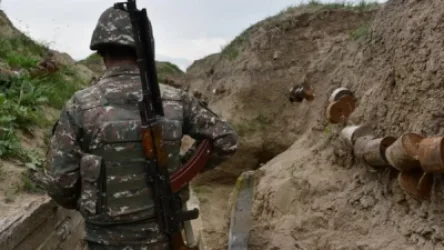
Armenian Soldier Injured by Azerbaijani Sniper Fire in Tavush's Berkaber Community

24-Year-Old Hits 6-Year-Old Child in Yerevan

VIDEO: Who Were the Participants of 'Drift'? 'Vini Tukh', 'Puy-Puy Mouse', 'Left-Handed Panos', 'Mister X', 'Gndliki Bokonik'...
Ավելին Incidents բաժնից

Արմավիրում մասշտաբային խուզարկություններ․ առգրավվել են՝ օդաճնշիչ հրացաններ, զինամթերք և թմրանյութեր
Ուժգին երկրաշարժ` Իտալիայում

ՏԵՍԱՆՅՈՒԹ․ Հրկիզված մեքենաներ, թալանված խանութներ․ Փարիզում զանգվածային անկարգություններ են