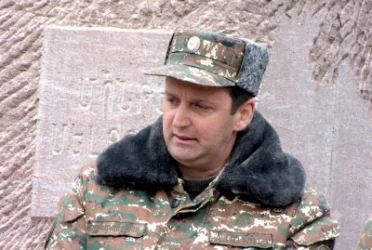
Video: Do Not Place Yourself Above a Saint – Mnatsakanyan's Response to Azerbaijani MP
On November 6, Foreign Minister Zohrab Mnatsakanyan participated in a lecture titled "Discussion with the Foreign Ministers of Armenia and Ukraine" at the Swedish Institute of International Affairs, alongside Ukrainian Foreign Minister Volodymyr Prystaiko. In his speech, Minister Mnatsakanyan comprehensively presented Armenia's cooperation with the EU within the framework of the Eastern Partnership, ongoing democratic reforms in Armenia, and the country’s foreign policy priorities.
Touching upon the Velvet Revolution in Armenia, Minister Mnatsakanyan notably mentioned that the broad mandate received from the public in last year’s elections also represents confidence and a significant responsibility for the government to address the priorities underlying that mandate. "During the initial months, the government primarily focused on addressing the most immediate demands underlying that mandate: combating corruption, ensuring equal opportunities in socio-economic life, strengthening justice, and conducting elections. Simultaneously, political will was demonstrated to combat corruption and organize elections acceptable to the public and political forces. However, this is not enough; it is merely the beginning, the first step. The most significant challenge and the most vital goal is to strengthen the structural capacities of that state, so that regardless of the political will, public institutions have the capacity to maintain the model based on democracy, respect for human rights, and the rule of law. And today, such a process is taking place in Armenia."
In the context of Armenia's foreign policy priorities and cooperation with various partners, Minister Mnatsakanyan stated, "Our foreign policy is built in a very consistent manner to ensure the strengthening of our national security architecture. To clarify its essence, let me mention that we have two fundamental security challenges: one is the unresolved status of the Nagorno-Karabakh issue, and the other is the threat from Turkey. The absence of relations with Turkey, the continuous denial of justice in the case of Turkey, the rejection of the Zurich protocols, in addition to a number of other factors, pose serious threats to Armenia."
During the Q&A session following the opening remarks of the Foreign Ministers of Armenia and Ukraine, an Azerbaijani MP asked about Armenia's readiness to go to an international tribunal with Azerbaijan to investigate alleged war crimes and ethnic cleansing by Armenians, as referenced in UN Security Council resolutions, as well as resolutions from the European Parliament and the Council of Europe. Minister Mnatsakanyan countered, inquiring how one should address the crimes committed by Azerbaijan. "Have you heard about Baku? Have you heard about Sumgait, Maragha? Have you heard about the occupation of the Shahumyan region? Have you heard about the occupation of parts of the Martakert region? Have you heard about the occupation of parts of the Martuni region? Would you like me to continue? This is what we are talking about. Are you ready to reduce your rhetoric? Are you ready to understand our concerns? Are you ready to engage in such a dialogue? Or should your truth prevail, otherwise there is no truth? It should only be a solution in your favor; otherwise, there is no other solution. Being maximalist, we will never achieve peace. This is at the core of my emphasis on preparing the peoples for peace according to their own understanding of the situation. You spoke about issues regarding us. Do not place yourself above a saint. I said that there is a security question, which is the only security organization that does not allow aggression and occupation to restart—words that are familiar to you and which you use so frequently. Aggression, occupation, and the existential threat to the physical safety of our 150,000 compatriots. They are people who have names, families, homes, and concerns for their physical safety, and there is no other organization for security than what we have today. Negotiations are centered around how to reach a point that does not address one side’s maximalist demands at the expense of others."
Regarding the questions from Azerbaijani representatives about how to discuss peace when the Prime Minister of Armenia states that "Artsakh is Armenia, period," and what steps have been taken in Armenia to prepare the population for peace, Minister Mnatsakanyan responded: "First of all, I would like to refer to what the honorable member of the Belarusian parliament mentioned. I believe that his message is very important as it relates to the stakeholders feeling ownership of the peace process. You are correct: Armenia, Azerbaijan, and Artsakh must take responsibility and reach a peaceful resolution of the Nagorno-Karabakh conflict. This also pertains to the question raised by Mr. Bakhtiar. The Prime Minister’s message that peace must be acceptable to the peoples of Armenia, Artsakh, and Azerbaijan deserves reciprocity. It is a message that reflects a very important prerequisite necessary for a solution: the ability of the parties to consider the concerns of the other side and commit to obligations in a way that reflects each side’s concerns. That is the logic of peace resolution, which must be acceptable to the people of Armenia, the people of Artsakh, and the people of Azerbaijan. I believe this also relates to other questions raised."
"Now, as I mentioned, we have some proposals, some ideas that we are trying to build on to depoliticize interactions between our peoples. As you have seen, we have politicized interactions, we try to blame each other, we try to be indifferent to the concerns of the other side. A politicized dialogue is not necessary at all. There are many good ideas, and there is understanding, as well as in my conversation with my colleague, the Azerbaijani Foreign Minister, that we should move forward cautiously so we can preserve what we are trying to do now, maintain that platform where some positive experiences can be formed, on the basis of which we can take further steps. I gave the example of journalists. We can create a new narrative regarding the peaceful resolution of the Nagorno-Karabakh conflict in the region."
Նմանատիպ հոդվածներ

Ավելին Politics բաժնից
Լեհաստանը կոշտ ուղերձ է հղել Կիևին
ՁԱՅՆԳՐՈՒԹՅՈՒՆ․ «Տղեքն ասին՝ Գեղամ եկար, թափով մի ամսվա մեջ տներդ էլ կսարքես, բլում ա տները»
Այսօր Սերժ Սարգսյանի ծննդյան օրն է․ Արմեն Աշոտյանը ՔԿՀ-ից շնորհավորել է նրան