Only One Cattle Seller Had Certificate at Livestock Market, Says Food Safety Inspection Body
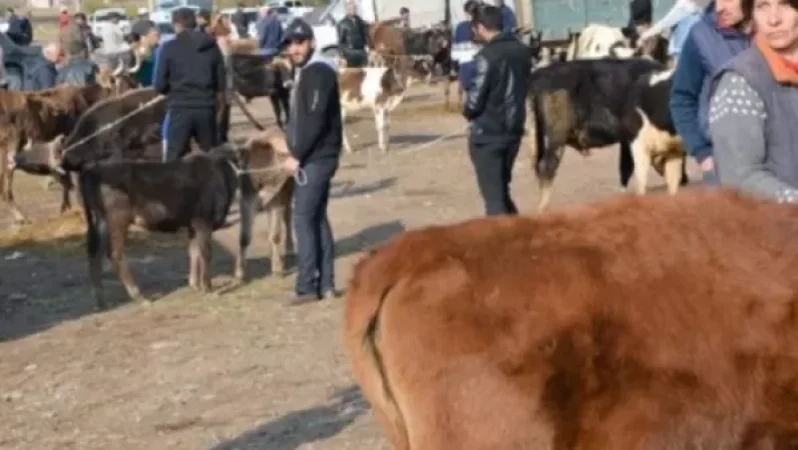
On Sunday, October 20, the Food Safety Inspection Body of the Republic of Armenia conducted an epidemiological monitoring at the country’s largest livestock market located in the Martuni region of the Gegharkunik province. This market sees the sale of domestic animals from all provinces of the republic and Artsakh. This was another step taken by the Inspection Body to regulate the conditions at the livestock market.
Due to the absence of animal registration in the country, the process has become almost unregulated. The purpose of this monitoring was to check how well sellers of live animals comply with the requirements and conditions they must adhere to when transporting animals to the market.
The monitoring effort was overseen by inspectors from the Gegharkunik regional structure of the Inspection Body, veterinarians from the region, representatives of the quarantine unit of the Armenian police, along with leadership from the Inspection Body and the Gegharkunik provincial administration. As promised during previous visits by the Head of the Inspection Body, Georgi Avetisyan, a mobile laboratory from the Republican Veterinary and Sanitary and Phytosanitary Laboratory Service was also present at the livestock market.
Experts checked whether the sellers of live animals had veterinary Form 1 certificates, which confirm that preventive medical examinations were conducted prior to transportation and attest to the animal’s health status. Throughout the entire livestock market, only one seller of large cattle possessed this certificate.
Others claimed they were unaware of the need for accompanying documentation, although they insisted that veterinarians in their villages diligently conduct all state-sanctioned vaccination and preventive measures.
Inspection Body specialists and inspectors distributed informational leaflets at the market regarding the requirements for transporting animals, as well as conditions related to the operation of the livestock market.
Diagnostic testing for brucellosis was conducted at the livestock market; blood samples were taken and analyzed on-site by the mobile laboratory. No brucellosis was detected.
The farmers' attitudes were cautious; they asserted that this was the first time such a large-scale operation was conducted here. However, after receiving explanations and consulting the informational leaflets, they indicated that they would not oppose buying and selling animals in a more regulated environment that complies with legal requirements. They also assured that they would demand the necessary accompanying documents from their village veterinarian for the transportation of animals.
The livestock market requires a comprehensive approach, involving cooperation with local self-governance bodies and other competent authorities. Currently, steps are being taken in collaboration with the Gegharkunik provincial administration to fence the livestock market area, ensure proper conditions, and make the movement of animals and diseases controllable.
Նմանատիպ հոդվածներ
VIDEO: Major Accident Occurs on North-South Highway
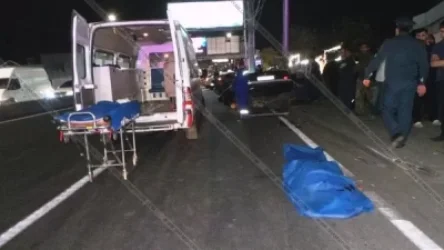
Major and Tragic Accident on Isakov Avenue: Deceased Removed with Special Equipment (Photos)
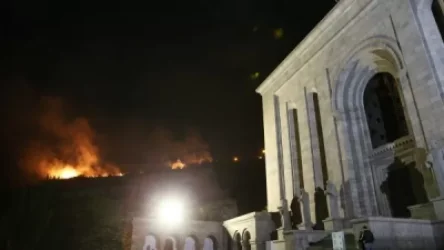
Fire Erupts Near the Matenadaran After Fireworks Display (Photos)
The Brother of the Deputy Head of the State Revenue Committee is a Suspect in the Murder of a 64-Year-Old Woman
Ավելին Incidents բաժնից
Արմավիրում մասշտաբային խուզարկություններ․ առգրավվել են՝ օդաճնշիչ հրացաններ, զինամթերք և թմրանյութեր
Ուժգին երկրաշարժ` Իտալիայում

ՏԵՍԱՆՅՈՒԹ․ Հրկիզված մեքենաներ, թալանված խանութներ․ Փարիզում զանգվածային անկարգություններ են