The Cost of Roaming Services Between Armenia and Artsakh Will Decrease

The maximum cost of roaming services provided by mobile operators in Armenia and Artsakh will significantly decrease starting January 2020.
The cost of outgoing calls will decrease by about 25%, and then by 30%, reaching up to 27 drams. Meanwhile, the cost for incoming calls will drop by 40%, followed by another 45% decrease to reach 13 drams.
Georg Gevorkyan, head of the Telecommunications Department of the Public Services Regulatory Commission of Armenia, spoke about this in an interview with Armenpress:
The maximum rate for outgoing calls (dram/minute) will decrease from 38 drams to 29 drams between January 1, 2020, and July 1, 2020; then to 28 drams from July 1 until January 1, 2021; and finally to 27 drams after January 2021. For incoming calls, the cost will drop from 25 drams to 15 drams from January 1, 2020, to July 1, 2020; then to 14 drams until January 1, 2021; and 13 drams thereafter.
Likewise, the rates for data transfer and internet access (dram/MB) will decrease, starting from 45 drams to 22, then to 17, and finally reaching 15 drams. The cost of SMS messages (dram/SMS) will drop from 40 drams to 15 drams, and then to 10 drams.
Gevorkyan emphasized that these are the maximum figures, and operators are free to set lower prices than those.
“The anticipated reductions occurred not only due to the work of our commission and the State Commission for Regulation of Public Services and Economic Competition of Artsakh, but also involved the private sector, including operators from Artsakh and Armenia. The charges for roaming services are not regulated, and through negotiations, taking into account future forecasts and the elasticity of the services, we were able to achieve this result,” stated Gevorkyan.
He noted that there had previously been various reductions. Gevorkyan observed that the charges for roaming services are also directly dependent on the internal rates. He remarked that if roaming services are provided at lower rates than local services, all subscribers would prefer to use roaming services rather than local operators.
“The expected reductions from 2020 were also possible thanks to last year’s reductions in internal prices by the operator in Artsakh,” added Gevorkyan.
When asked if further reductions were possible, he mentioned that a certain periodicity in price reductions is anticipated, allowing operators to assess consumer behavior and service volumes. “If there is a place and opportunity to negotiate again, why not? Maybe we can lower prices again,” remarked Gevorkyan.
In response to whether there is a theoretical possibility of abandoning roaming and having a unified network, Gevorkyan answered that it is theoretically possible. “This would imply that Armenian operators need to be present in Artsakh with their infrastructure and vice versa. However, there are certain business risks for operators in this regard, as the market in Artsakh is small and there is already an operating operator. Nevertheless, this possibility cannot be ruled out; we all hope that such a thing will happen,” Gevorkyan concluded.
The memorandum on the reduction of maximum tariffs for roaming services provided by mobile operators in Armenia and Artsakh was signed in September. There had also been decreases in roaming service tariffs starting from August 1, 2019, when payments from the two operators were equated to those of a third operator.
Նմանատիպ հոդվածներ

Urgent: Prime Minister Proposes Dismissal of Police Chief Osipyan to President

Mkhitaryan's Move to Roma Helps Find Missing 13-Year-Old Kid

Attention Car Importers and Sellers to Foreign Nationals: The Government's Latest Decision Poses a Serious Threat
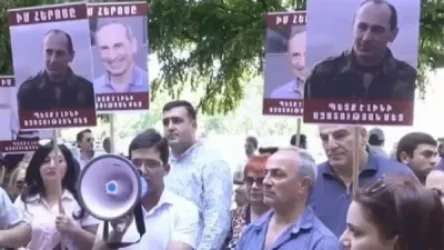
Supporters of Kocharian Assault Protester Following Court Hearing
Ավելին Society բաժնից

Լիբանանում զոհերի թիվն աճում է․ Իսրայելը շարունակում է հարվածները

Նոր սպառնալիք մարդկանց առողջության համար․ գիշերներն ավելի արագ են տաքանում, քան ցերեկները

ԱՀԿ-ի նոր հայտարարությունը՝ հանտավիրուսի բռնկման վերաբերյալ