New Temple Foundations and Mosaics Discovered at Erebuni Fortress Site
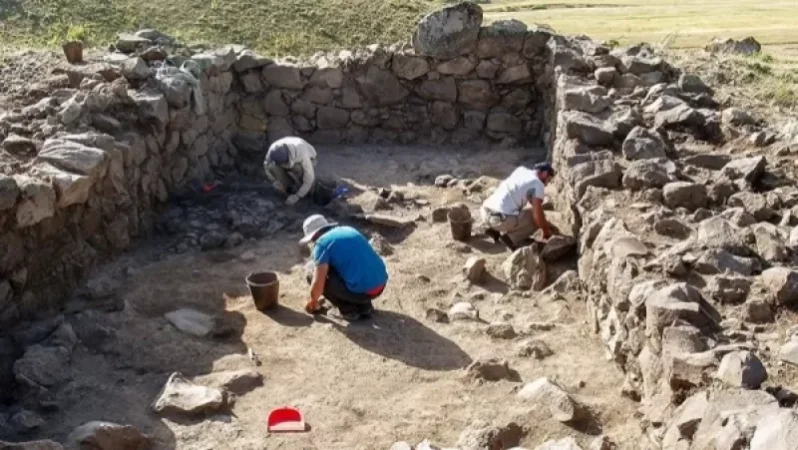
A joint excavation conducted by Armenian and French teams has uncovered the foundations of a new temple in the Erebuni archaeological reserve, bringing the total number of temples to three, thus allowing it to be classified as a 'historical and cultural complex.'
In front of the Yubsai temple, a beautifully paved floor has been found, suggesting that rituals were conducted in front of temples during the Urartian period. This was announced to reporters on September 16 by the leaders of the public scientific expedition, cultural heritage protector Stéphane Deschamps, and the director of the Erebuni museum and archaeological site, Mikael Badalyan. They made a brief visit to the excavation site with representatives of the French and Armenian sides and spoke about the new data revealed by the excavations and their historical significance. They also presented 3D images created using new technologies for the first time in the museum building.
"These excavations are important not only for the study of Armenia's history and archaeology but also for the archaeology of the entire Ancient Near East. The excavations prove that what we know about Erebuni needs to be reevaluated," Badalyan stated. He emphasized that this year they have uncovered the foundational remains of a new temple, which was partially exposed in 2016. "The existence of the temple demonstrates that at some point, Erebuni's religious area housed three temples that operated simultaneously— the Khaldi temple, the Yubsai temple, and the newly discovered robust temple foundations. It was also interesting to discover the fantastically beautiful mosaic floor in front of the Yubsai temple. This could be significant not only for Armenians but also for tourists," the director of the Erebuni museum and archaeological site stressed.
According to Stéphane Deschamps, excavations at the site have been conducted since the 1950s and 60s. "Some things were partially restored by the late 60s, but we decided to conduct new research, finding that the fortress still has room for new discoveries. The excavations showed that thanks to Erebuni, we can reinterpret several chronological changes not only in Armenia but also in the entire region," he emphasized, adding that the site has been studied this past week using cutting-edge technologies.
The Head of the Culture Department of Yerevan Municipality, Gor Sargsyan, who also participated in the tour, noted that the Erebuni archaeological reserve-museum is Yerevan's calling card. According to him, it is expected to become one of the favorite places for tourists by 2020. To that end, the municipality is discussing renovation and reconstruction projects.
Jonathan Lacôte, the Extraordinary and Plenipotentiary Ambassador of France to Armenia, places great importance on cooperation with Armenians in the field of archaeology. "Currently, there are five French archaeological teams in Armenia, the most important of which is at the Erebuni site. Our joint efforts also contribute to the exchange of experiences and strengthen cooperation between the two countries in the academic field, as students are given opportunities for internships at archaeological sites. With our support, two Armenian students are currently interning in France," the ambassador said. He confessed that he has been to the site multiple times. "I came here two weeks after being appointed ambassador because I wanted to see the area named after Yerevan," Lacôte concluded.
Armenian and French teams have been conducting joint excavations at the Erebuni fortress site since 2008, supported by the French Ministry for Europe and Foreign Affairs, the French Embassy in Armenia, Yerevan Municipality, the Erebuni museum, and the Institute of Archaeology and Ethnography of Armenia.
Նմանատիպ հոդվածներ


Ավելին Society բաժնից
Լիբանանում զոհերի թիվն աճում է․ Իսրայելը շարունակում է հարվածները
Նոր սպառնալիք մարդկանց առողջության համար․ գիշերներն ավելի արագ են տաքանում, քան ցերեկները

ԱՀԿ-ի նոր հայտարարությունը՝ հանտավիրուսի բռնկման վերաբերյալ