If people lost their homes at the casino, should the state provide housing? Pashinyan on shanty dwellers in Gyumri
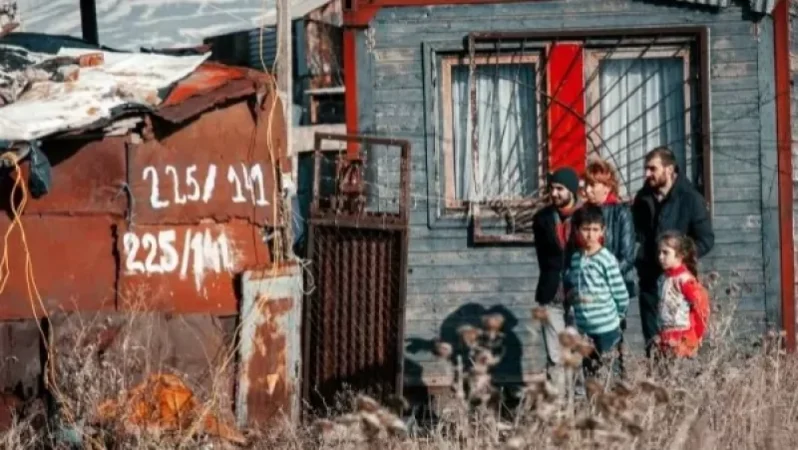
For example, if a person goes to a casino and loses their home and belongings, and now they are living in a rental or don’t have a home, does that mean the state should provide them with housing? Prime Minister Nikol Pashinyan stated this during a press meeting on September 16, responding to a question about the obligations recorded for families living in shanties in the disaster zone.
“Let’s state one thing: at this moment, a recorded state obligation exists for 457 families. Moreover, all of them are located outside of Gyumri; they are residents of rural communities in the Lori, Aragatsotn, and Shirak regions. Now, after encountering this fact, we say we need to understand why those living in shanties are living there or what status those shanties have. There are shanties that are empty. A considerable number of shanties are simply unoccupied. There are shanties where people have received housing from the state but, for various reasons, sold that housing and returned to living in those shanties. There are certainly people for whom the state's obligation should be recorded but has not been; we will find those cases and record what obligations the state has towards whom,” said the Prime Minister, emphasizing the need to clear Gyumri of shanties as it hampers the city’s economic development.
The Prime Minister noted that there are also people who own homes in nearby villages of Gyumri but prefer to live in a shanty in Gyumri: “The mere fact of living in a shanty does not mean that the state has an obligation towards that person. It is possible that the state has obligations towards some, and for various reasons, the obligations have not been recorded; they will be recorded, and the state will fulfill them. When we have that mapping, the individual history of each shanty, then decisions will be made on how to proceed. There may also not be easy decisions, and there may be decisions that not everyone will like. For instance, if a person has gone to a casino in another city and lost their home and belongings and is now living in a rental or has no home, does that mean the state should provide them housing? Everyone is responsible for their destiny; I say that a legal state also means that each individual understands they will bear responsibility for the decisions they make.”
Nikol Pashinyan also mentioned that the government plans to start a social housing construction program in the near future, wherein housing will be priced lower than the market rate for socially vulnerable groups. “If our budget proceeds as well as it has this year, we are considering starting social housing construction, where housing will be provided at prices lower than the market for vulnerable groups for a certain period, enabling them to organize their lives. On the other hand, when we encourage education and employment, that is our main goal. For example, when we say that tourists have spent $200 million more in Armenia as of August, the question arises: where did that money go? That money went to those people who are working and have set up small businesses, thinking of that business. That $200 million certainly did not go to those people lounging on the couch. We want to help our citizens get up, straighten their backs, and secure their well-being through their work.”
Նմանատիպ հոդվածներ




Ավելին Society բաժնից

Զինծառայողներ են զոհվել․ Հնդկաստանում ռազմական ինքնաթիռ է կործանվել

Արտակարգ դեպք․ Վեդիում 14–ամյա տղան հրազենային վնասվածքով տեղափոխվել է հիվանդանոց

ԱՄՆ-ն արգելել է օտարերկրացիներին օգտագործել «Անթրոպիկ» ընկերության արհեստական բանականության ամենաառաջատար մոդելները