It’s Time to Start a New Chapter: Mikael Minasian
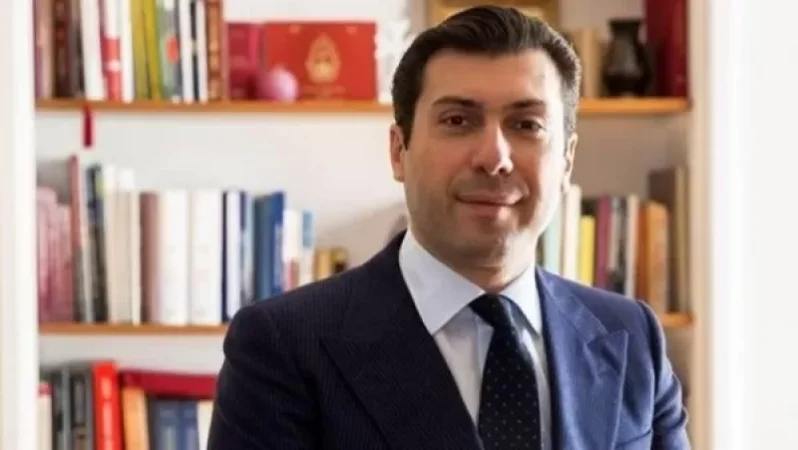
As I understand it, everyone agrees with my viewpoint expressed in my recent interview that there is no return to the past. However, judging by the reactions, no one considers themselves old. To avoid misunderstandings, let me elaborate on what I mean. This was noted in a Facebook post by former Armenian ambassador to the Vatican, Mikael Minasian.
He wrote: “In my opinion, Armenia is currently at a crossroads of significant choice, facing the opportunity to begin a new chapter in history, where society must decide for itself: will it return to the old, continue from the old page, or start a new page with new heroes and a new narrative? For this to happen, our society—both domestically and abroad—must make a decision.
If there is no return to the old, then one cannot help but reconcile with one’s own past, probing it, editing and re-editing, narrating and re-narrating it. There is no return to the old, and in order for the old not to return, we must leave the past alone, not take offense at it, not exaggerate or alter it unnecessarily. We must not fight with the past but reconcile with it. Analyze it, understand the mistakes made to avoid repeating them in the future.
There is no return to the past because otherwise, the measure of progress becomes the interval between yesterday and today. Because in this case, the benchmark is not a dream; it is a fragmented, short-term contentment.
There is no return to the old, but former leaders are returning. They are forced to do so, compelled. Because, unfortunately, in the last 100 years, we have not been able to honor and express our gratitude to our leaders as they departed, to speak about them without insults, recognizing shortcomings and emphasizing achievements.
Let’s look at our history of the last 100 years: at one time or another, at various points in time, for various purposes, we label them, consign them to oblivion, and sometimes even attempt to erase the deeds of all our leaders—from Kachaznuni and Aram Manukyan to Simon Vratsyan, Khanchyan, Karen Demirchyan, and Serzh Sargsyan.
Former leaders return because they see how often their legacy and their name are treated ruthlessly. We loved Karen Demirchyan at first, then we ignored him, then we missed him, and ultimately, we lost him. The contributions of other Soviet leaders, such as Zarubyan, Kochinyan, and Suren Harutyunyan, have either been forgotten or overlooked—without acknowledging their merits.
Perhaps this is also why Levon Ter-Petrosyan returned to politics in 2008. This is also why Robert Kocharyan is returning to politics now, while Serzh Sargsyan is not leaving political life. Because such an attitude is a nightmare for any political leader who decides to dedicate their life and fate to their country.
The country must live through logical life cycles and political cycles. Soviet leaders, leaders of independence, commanders in times of war, crisis managers—each has made their contribution during their phase and done their work. Nothing fundamentally hinders us from seeing all of this; we merely need to acknowledge it and speak out loud about their contributions.
There is no return to the old, but for the new not to become an old memory, it must be built on experience and knowledge. The principles are quite simple: do not take pride in those individuals without a biography who are incapable and do not know anyone; do not only rely on young people in the personnel bank. This is the 21st century. If we only have young people, we start not with a new page but repeat very old mistakes anew.
In matters of national importance, do not overlook the vast experience of previous leaders. First, do not arrogantly implement all the world's foolish crimes without consultation, and upon reaching the precipice, realize that you have burned all the bridges like a fool. This is the 21st century.
There is no return to the past if new ideas are present in the discourse. If you are fighting against the past, then you are still in the past. You are not even present. There is no return to the old but only if we are speaking and acting with visions of the future.
For the future to come, one must not cling to the past; one must not live in the past. And to avoid becoming a hostage of the past, one must understand, appreciate, forgive, and bid farewell to those who will not be your companions on the path to the future. And set out towards the future. Only then will there be no return to the old, the old will not return, and the old will remain in the past. Good or bad, wrong or right, black or white; sometimes a bit black and a bit white, a bit good and a bit bad, but in the past.
It will become useful experience, knowledge, skill, and will pave the way for the new towards a new reality and a truly new Armenia.
There is no return to the past when there is solidarity among generations, there is a public agreement not to look back, and there is the desire and capacity to have a new type of future and a new quality of country. And that, in my deep conviction, is possible.
I am infinitely admiring of the courage of the leaders of the First Republic, the wisdom of the leaders of Soviet Armenia, and fundamentally, the capacity to build a country from scratch. I am deeply grateful to all the leaders of the Republic of Armenia: Levon Ter-Petrosyan for leading the independence movement and giving flesh, blood, and soul to our independent country, making independence irreversible; Robert Kocharyan for preserving and revitalizing Artsakh and Armenia during crucial times, fostering self-confidence in our nation; and Serzh Sargsyan for bringing solidarity, magnanimity, and humanity to the forefront of leadership, firmly fixing the course of a modern and mature state, above all, for being a human being. For me, it was a great honor to represent the government he led in the capacity of ambassador; I am proud of the undeniable achievements of that government, which must genuinely be recognized in the future, and I also consider myself responsible for those mistakes made during that period—mistakes that we will correct.
One day, a leader who understands fate and the future will come, will visit these figures in sequence, will bow and hand them the state’s highest awards they deserve. Do not doubt it.
And as long as present Armenia, with its back turned to the future, mindlessly digs into the past, carrying their legacy to disaster, each of them has a debt and the right to return. And if this return is not to regain power but to save the country from imminent disaster, I will stand among the followers of each of them with my modest abilities.
I am also grateful to the current government and its leader, whether willingly or not, for stimulating the new restart of the country and significantly raising public enthusiasm. The energy of awaiting the new is more than any natural or technological wealth—it can move mountains. And although the government, with its peripheral worldview, squanders this wealth daily, even its remnants are of great value and will still be needed in our country.
We have had and continue to have devoted leaders with a mission to the country, with their mistakes and undeniable, indelible contributions. And today, it is time to start from a new page. With a new philosophy of governing the country. In a language comprehensible to the world. With capable people. With new energy. And that is truly possible.”
Նմանատիպ հոդվածներ

Ավելին Politics բաժնից
Թրամփը Իրանի նկատմամբ «եռակի հաղթանակ» է տարել. ԱՄՆ նախարար
Իրանը ձեռնարկել է աննախադեպ անվտանգության քայլեր
ՏԵՍԱՆՅՈՒԹ. Ղարաբաղն ու Ուկրաինան փոխել են պատերազմի կանոնները․ Հունաստանի ՊՆ