Prosecutor's Office: No Grounds for Robert Kocharyan's Release Under Constitutional Court Decision
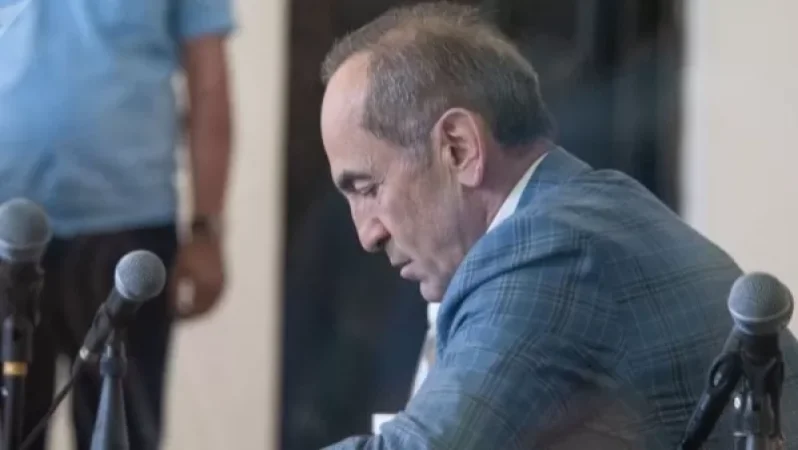
The Prosecutor's Office of the Republic of Armenia has responded to the ruling of the Constitutional Court concerning the request of the second President of Armenia, Robert Kocharyan.
In response to an inquiry from Armenpress, the Prosecutor's Office noted that there have been comments regarding the Constitutional Court decision SDO-1476, dated September 4, 2019, which are based on isolated interpretations of certain paragraphs and do not derive from the essence of the decision.
The Constitutional Court stated that "(...) there are no special and necessary provisions arising from the Constitution that would allow for the initiation of criminal proceedings against officials endowed with functional immunity and to assess during the process whether the actions or inactions attributed to them are related or have been related to their current or past status or activity. Therefore, the issue of functional immunity for these individuals must be resolved within the framework of general procedural regulations, during the pre-trial stage by an investigator or prosecutor, and in court proceedings by the court."
It is evident from this that the Constitutional Court, merely noting that there is no established special procedure through which it should independently and separately be discussed and determined whether the alleged actions are related to the status of the president, has made it quite clear that the question of functional immunity should be evaluated and resolved within the framework of general procedural regulations, during the pre-trial stage by an investigator or prosecutor, and in court proceedings by the court.
Regarding the question of declaring Article 35 of the Criminal Procedure Code contradictory and null to the Constitution due to the Constitutional Court's decision, the matter is as follows: As noted by the Constitutional Court, functional immunity is not specified as a ground for excluding criminal proceedings in Article 35 of the Criminal Procedure Code. Therefore, in all cases where it is established that the criminal prosecution is incompatible with a person’s functional immunity, the competent authority would be objectively deprived of the legal possibility to make a legal decision regarding not initiating criminal proceedings against that person based on this ground, or to suspend the already initiated criminal prosecution, as well as to not apply detention, since there is no procedural basis for making such a decision.
More simply stated, the Constitutional Court has considered Article 35 of the Criminal Procedure Code problematic insofar as it does not provide a basis for terminating the criminal proceedings when it is established that a person enjoys functional immunity and it has not been overcome. Moreover, the issue is broader than just the immunity of the former president. The same problem arises in cases where the immunity of other relevant officials, for example judges or members of the National Assembly, is not lawfully lifted, and they are not deprived of their immunity.
By not stipulating functional immunity as an exclusionary circumstance in the Criminal Procedure Code, it does not define the basis under which criminal prosecution against a judge, a member of parliament, or equally a former president must be suspended in such cases.
Reiterating, this pertains solely to those cases in which actions are attributed to the former president that arise from his status. It is essential to emphasize that Robert Kocharyan is not charged with actions that stem from his status. This circumstance has been evaluated by the investigating investigator, the prosecutor, and the courts within their jurisdiction.
The charge against Robert Kocharyan meets the additional and preliminary mandatory requirement of legality: the charge brought against him is not related to his functional immunity, meaning that the acts attributed to him cannot be seen as stemming from his status.
Therefore, the Prosecutor's Office of Armenia believes that there are no grounds for discontinuing the criminal prosecution against Robert Kocharyan or releasing him under the decision of the Constitutional Court.
The Constitutional Court published its final portion on September 4 regarding the matter of determining the compliance of Article 135, part 2, and Article 35 of the Criminal Procedure Code with the Constitution in connection with Robert Kocharyan's request: 1. The Constitutional Court decided to recognize Article 35 of the Criminal Procedure Code, in part, as inconsistent with the constitutional provisions as it does not stipulate functional immunity for officials endowed with special protection as an exclusionary circumstance for criminal proceedings. 2. Article 135, part 2 of the Criminal Procedure Code is in compliance with the Constitution, as stated in the final portion of the Court's decision.
On September 7, the full version of the Constitutional Court's decision was made public.
Նմանատիպ հոդվածներ




Ավելին Politics բաժնից

Ռուբիո․ TRIPP–ը Հայաստան–Ադրբեջան խաղաղության «հենասյունն» է
Թուրքիան ազդարարում է Հայաստան–Թուրքիա կարգավորման տնտեսական փուլը
Բելառուսական բիզնեսը ամրապնդում է դիրքերը Ադրբեջանում