Should the State Face Potential Sanctions or Condemn Future Generations to Death? Economist on Exploiting or Not Exploiting the Amulsar Mine
We, of course, are not naive; we understand that various false motivations and justifications can be generated for the exploitation of the Amulsar mine, but the question of whether or not to exploit it has clear calculations: should the state face possible sanctions or condemn future generations to death.
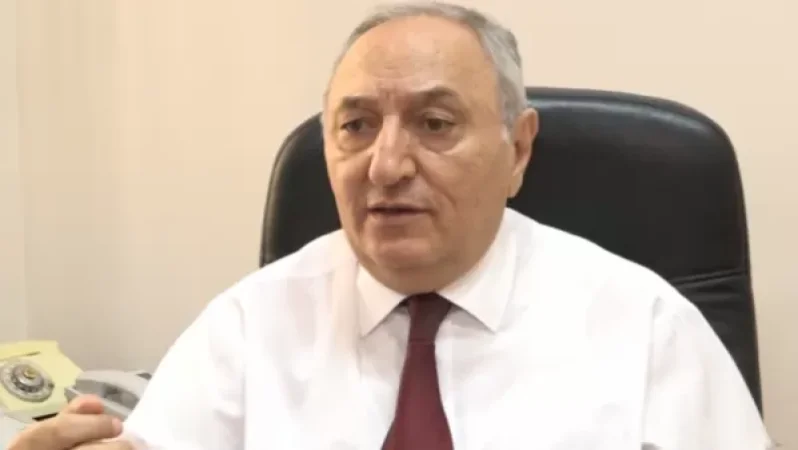
Economist Vardan Bostanjyan expressed this viewpoint in an interview with Tert.am, addressing the concerns raised regarding the possibility of international arbitration by Lydian Armenia if the mine is not exploited, potentially seeking substantial amounts from the state for their investments.
“The formula is this: let's exploit it, otherwise the state could face sanctions, but it’s clear, isn’t it, that it is better to be under sanctions than to choose the option of death for future generations,” said Bostanjyan, agreeing with environmentalists’ opinions that it is not possible to exploit a mine in such a region and protect the rivers from pollution in any way.
“Isn’t it obvious that there are various interested parties regarding such large enterprises, each of which defends its interests and presents justifications that it is possible to exploit without any danger, and so on? The reality, the national, state, and popular interests demand a different approach: to consider the interests of the country and the people as the number one dominant, and if those interests face even a slight danger, then the conversation should be halted,” he said.
Bostanjyan noted that the exploitation of the mine would reduce Armenia’s already small vital space. He pointed out that back in 1975, in Moscow’s state planning, an assessment of the reserves of the Teghut mine was produced, concluding that in such a small country we do not have the right to spoil the environment, and the same was true for Amulsar.
“They conserved it and said, do not open this topic again,” he said.
The economist understands that using the subsoil generates revenue for the state. “But we need to calculate, combining the positives and negatives, whether that positive outweighs the negative. Take for example the exploitation of the Alaverdi mines; ultimately, 700 people are employed, taxes are entering the budget, that’s not bad, but on the other hand, an entire region rich in nature becomes an ecologically dangerous habitat. Those same 700 workers and their families are subject to various difficult or incurable diseases. Now in this small country, they want to transfer this bad experience to Jermuk, which is perhaps one of the few unique areas that is considered health-resort, and it is evident that the entire ecosystem is endangered,” he stated.
According to the economist, there is also no guarantee that supervision will be continuous and permanent. “Any such activity is associated with high costs, while the economic actors, who pursue profit exclusively, tend to avoid ‘excess costs.’ No matter how much the budget entries are, whether they are $200 million or more, this does not mean that we are obligated to hand over the Amulsar mine for exploitation. We could exploit it for decades, but afterwards we will be left with deserted, eroded lands where living will become pointless. We can’t just calculate and move forward for a few years and then not think about what will happen. Tomorrow our children, and our children’s children will live,” he believes.
When asked what he thinks is causing the hesitation of the Government to make a decision against the exploitation of the mine, Bostanjyan replied, “I can think of many things, but I will refrain from voicing them as I cannot ascertain how much they correspond to reality. However, regardless of expressing them, I understand in my mind what is what.”
He emphasized that it is important to find the possible national interest, which is for Jermuk to become a health and tourist city in the region, and that the benefits that could be obtained from the mine’s exploitation should come as an ecologically clean tourist city.
Նմանատիպ հոդվածներ



Ավելին Society բաժնից
Լիբանանում զոհերի թիվն աճում է․ Իսրայելը շարունակում է հարվածները
Նոր սպառնալիք մարդկանց առողջության համար․ գիշերներն ավելի արագ են տաքանում, քան ցերեկները

ԱՀԿ-ի նոր հայտարարությունը՝ հանտավիրուսի բռնկման վերաբերյալ