Regardless of What Decision the Prime Minister Makes, I Share That Responsibility with Him: Tunyan

Regardless of what decision the Prime Minister makes—whether independently or through a referendum—I share that responsibility with him. This was stated by Babken Tunyan, the chairman of the National Assembly's Standing Committee on Economic Issues, on his Facebook page.
He noted, "To avoid any questions remaining unanswered, I have written quite a bit, but I sincerely ask you to read to the end if you choose to read at all.
All throughout my conscious life, there have been many moments when, observing from the sidelines, I selfishly felt a sense of relief that the responsibility for making decisions was not mine. I felt relieved because, even without having complete information, I understood that there are times when you must choose between the bad and the worst, and the decision-maker will be held accountable for the consequences of that decision.
Honestly, there have been times when I have humanely understood the responsibility of previous leaders while making important decisions, and thus, I have been restrained and as objective as possible in my criticisms (I say this understanding that some will take this one sentence from the entire text and exploit it).
In the last six months, having been one of the decision-makers myself—as a Member of Parliament and as the chairman of the Standing Committee on Economic Issues—I have felt the full weight of that responsibility from within. Be it in the state duty on cement, the tax code, or some other issue... When you realize that changing just one letter or one number in a law affects the lives of hundreds of thousands of people.
Moreover, when you have no personal interests but know that there will be disgruntled parties, exploitations, and accusations for faults you haven’t even considered. There have been nights when I couldn’t sleep, analyzing whether I am acting correctly or not. And thank God, so far, my conscience is clear with me.
This is also because, in the most controversial issues, our political team's leader, Nikol Pashinyan, has had a very clear approach: to base decisions on objective data and make well-founded decisions, disregarding any political, group, or personal interests.
Now let’s talk about Amulsar. It is one of the most critical issues. On one hand, there are environmental risks, on the other, economic ones. There are also political and geopolitical aspects from the sidelines. Making a decision on this matter involves complex, heavy, and extremely burdensome responsibility.
To understand how great the responsibility is, consider that it took the Prime Minister more than a year to fully grasp the situation, to analyze both the apparent and hidden risks. And the Prime Minister is ready to make a decision. I believe you won’t argue that he is the most competent person in this matter and, due to his position, has access to all information.
I have no doubt that he also has no personal interests and has chosen the option that is the best for our country, if not beneficial, then at least the one that would result in the least harm.
Now people are saying, ‘Hold a REFERENDUM.’ Let’s be honest: for any authority afraid of taking responsibility, the easiest option is a referendum. You shift the decision to the people and place the responsibility for its consequences on the shoulders of the public.
I personally have my own approach to the Amulsar issue, which is based on my own analyses, which have not changed in the last year and a half, and which I have discussed many times. For me personally, a referendum is not the best option because it may yield a seemingly fair but not necessarily the correct decision.
The people can sometimes be mistaken on specific issues due to not having enough knowledge or information regarding a particular problem.
I do not want my illiterate neighbor, Polos, with his illiterate large family, to play a larger role in making a decision on this specific matter than I do. But a referendum is one of the options nonetheless.
In any case, regardless of what decision the Prime Minister makes—whether independently or through a referendum—I share that responsibility with him. And this is not a pathetic statement, but a conscious one, clearly understanding his competence and impartiality.
If the Prime Minister’s decision on such an important issue fundamentally differed from my approach, I would resign my mandate and criticize that approach. That’s all. Believe me, I know better than many how to please voters and look cute. But I came to the National Assembly through the vote given to me by Pashinyan, and my goal is not to be elected at any cost next time, but to contribute to making the right, even if unpopular, decisions.
Նմանատիպ հոդվածներ
Ավելին Politics բաժնից
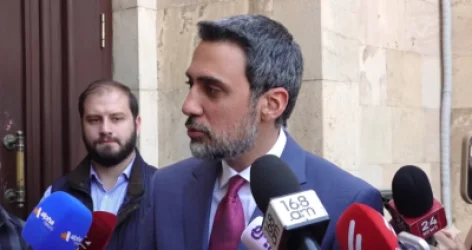
ՏԵՍԱՆՅՈՒԹ. Շնչել-արտաշնչելն էլ կարող է դիտարկվել որպես իշխանությունը զավթելու կոչ․ Վարդևանյան
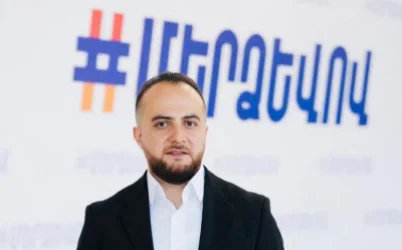
ՏԵՍԱՆՅՈՒԹ. Տիկի՛ն Գալյան, միևնույն է ժողովուրդը լավ է հիշում ով, երբ և որտեղ է իրականացրել այս ամենը. «Ուժեղ Հայաստան»-ի անդամ
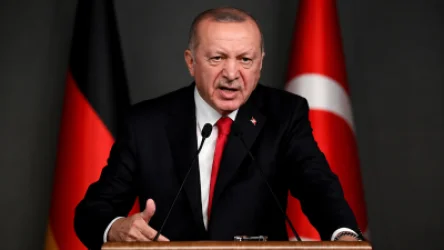
Էրդողանի արձագանքը՝ Իսրայելի՝ Հայոց ցեղասպանության ճանաչմանը. մեր պատմությունը չի պարունակում կոտորածներ