Construction of New Road Leading to Russian-Georgian Border to Start by End of 2019
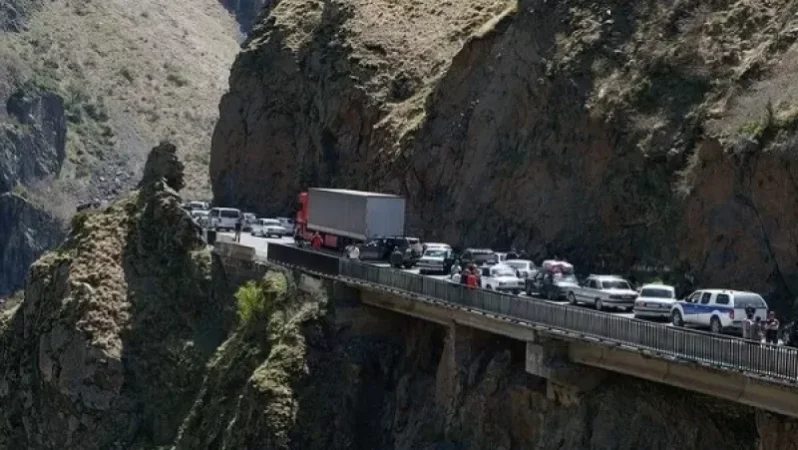
The construction of a new road leading to the Russian-Georgian border in Georgia will begin by the end of 2019, announced the Prime Minister of Georgia, Mamuka Bakhtadze. He made this statement during the presentation of a report on the six-month performance of the Automobile Department, as reported by Novosti Georgia.
Earlier in August, the Asian Development Bank provided Georgia with a loan of $415 million for the construction of the new road. This project is part of a large-scale initiative aimed at improving transportation networks and establishing Georgia as a commercial and tourist center in the region. The ADB emphasizes that this is the first project within the framework of the North-South Transport Corridor restoration, which is a vital transit route for Georgia, Armenia, and regional trading partners.
An agreement will be signed in a few days, and by the end of the year, a second project will commence—the Kobuleti-Gudauri Expressway, which has historic significance. It will be one of Europe’s most complex engineering structures, featuring one of the longest tunnels. “Of course, investments are necessary for this, and these investments have already been attracted and signed,” said Bakhtadze.
The Kvesheti-Kobi section is located on the international Mtskheta-Stepantsminda-Larsi road, which is part of a West-South transit corridor. The project includes the construction of a 22.7 km long asphalt-concrete road, six bridges, and five tunnels, including a 9-kilometer tunnel. This tunnel will pass through the Jvari Pass from the village of Tsqere to the village of Kobi, being the longest tunnel in Georgia.
The road traverses a rugged topographical route and is characterized by heavy snowfall during winter. After the project's completion, transit communication along this segment will no longer depend on weather conditions. The project cost is approximately $558.6 million, with funding of $60 million provided by the European Bank for Reconstruction and Development, while the Georgian government will allocate $83.6 million.
“When we talk about the development of critical infrastructure, we must consider what additional benefits it will bring to our citizens, and the best example of this was the cable car project last year that connected Kobi with Gudauri. As a result, Kobi has been revitalized, and today you won’t see any free space that isn’t being discussed for a new hotel or new tourist facility... For me personally, this is a guide on how we should develop infrastructure in Georgia,” Bakhtadze emphasized.
The existing 35-kilometer Georgian Military Road, used by 3,500 vehicles daily, is considered one of the most dangerous roads in Georgia. The road is closed for more than 40 days a year, primarily during winter, posing challenges for travelers and freight carriers. Currently, this is the only operational highway connecting Georgia and Armenia to Russia.
In May 2014, a tragedy occurred in the area; due to unusually high temperatures for these regions, a part of the Devdorak Glacier collapsed from the northwestern slopes of Mount Kazbek. Consequently, a powerful mudflow filled the Dariali Gorge and closed the course of the Terek River, causing flooding and destroying the road. At that time, six people lost their lives.
Նմանատիպ հոդվածներ



Ավելին Society բաժնից
ՁԱՅԱՆԳԱՐՈՒԹՅՈՒՆ. Մեր կուսակցությունը ըդքան շանս չունի էս պահին, երրորդ տեղով կերթա
ՏԵՍԱՆՅՈՒԹ. Ծեծկռտուք` «Ուժեղ Հայաստանի» աջակիցների և քաղաքացիների միջև
ՄԻՊ ներկայացուցիչները չհայտարարված այց են կատարել «Նուբարաշեն» ՔԿՀ