New Situation Around the Venice Commission: Will Yerevan Change the New Status Quo?

"Zhamanak" reports: "The fact that the announcement regarding the Prime Minister's statement is made not by the government's press service or the Prime Minister's spokesperson, but rather through a clarification-statement from the Ministry of Justice's Information and Public Relations Department, is already intriguing. Does this indicate that Prime Minister Pashinyan is set to announce a resolution regarding the situation, or is it merely a position related to the relations with the Venice Commission? In any case, one thing is evident: the 'key' to the solution is, of course, in Prime Minister Pashinyan's hands, perhaps simply because he was the one who, in his speech on May 20, so to speak, opened the door and took the issue out of the box. Therefore, it is assumed that in doing all this, he envisaged some solution or several options for different scenarios, including the work with the Venice Commission.
In general, a truly unprecedented situation has emerged in Armenia in this regard. The fact is that before the Velvet Revolution, the Venice Commission had better relations with the authorities than with the opposition forces in its work with Armenia. Ultimately, the legal solutions of the authorities received the approval of Venice. Currently, it seems that the former authorities—the present 'opposition'—are closer to Venice, and there is a certain shift where the current authorities have a need for the formation and crystallization of coordinated working mechanisms with the Venice Commission.
It is obvious that the circles of the former authorities will use their previous diverse experience and mechanisms of working with the Commission for their political purposes, including, of course, primarily aiming to turn the Commission into a platform for pressure against the current government. Given that the new situation in Armenia will require a number of reforms in legal and legislative tools—fundamental ones, including, undoubtedly, constitutional amendments—it is possible to imagine what the future holds.
At the same time, it seems that the Armenian government cannot choose the path of refusing Venice, considering that, for Armenia, the democratic image is a strategic resource with enormous military-political significance. Thus, the story of the Constitutional Court is merely one episode reflecting the potential of a wider issue, which, of course, is not fatal or groundbreaking but presents a challenge in this new situation that will demand principled, conceptual solutions to alter the potential 'status quo' post-revolution and to safeguard the collaboration between the Venice Commission and the government from the influence of the former authorities.
Details can be found in today’s issue of the newspaper.
Նմանատիպ հոդվածներ




Ավելին Society բաժնից
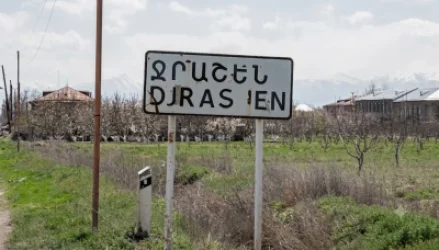
Նոր մանրամասներ Ջրաշենի նախկին ղեկավարի ու նրա ծնողների դանակահարության դեպքից

Դանակահարել են Ջրաշենի նախկին վարչական ղեկավարին ու ծնողներին. նրանք ծանր վիճակում են
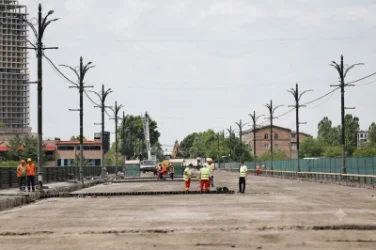
Կիևյան կամրջի շուրջ նոր ապատեղեկատվություն է տարածվում. պարզաբանում քաղաքապետարանից