SOS Signal: Open Letter to the Prime Minister to Save Lake Sevan
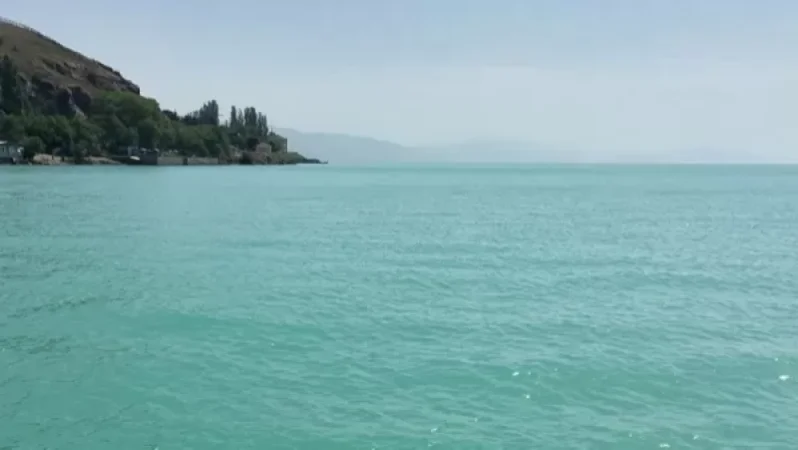
The members of the "SOS Sevan" initiative sent an open letter to the Armenian government on July 13, urging immediate actions to save the lake from final degradation. In the letter, the initiative members presented their solutions to the problem. Various scientists, public figures, and environmental activists from Armenia and the diaspora have joined the initiative.
The full letter is as follows:
Open Letter from the "SOS Sevan" Initiative to the Prime Minister of Armenia
Dear Prime Minister and members of the Armenian government,
The "SOS Sevan" initiative proposes that the Armenian government take measures for the rescue of Lake Sevan. The initiative comprises scientists, public figures, active citizens of the Gegharkunik province, and representatives from the diaspora, who have gathered facts, scientific research results, studies, and analyses of monitoring data obtained from state and independent experts.
By compiling all this information, the initiative appeals to the Armenian government to take full responsibility for the rescue of Lake Sevan. Every year, the Armenian government adopts a draft decision on the "Annual Program for the Restoration, Preservation, Reproduction, Sustainable Development, and Utilization Measures of Lake Sevan's Ecosystems," which is later approved by the National Assembly. However, given the current state of Lake Sevan, we observe that the legal requirements are inadequately implemented.
Currently, the Armenian Ministry of Environment is responsible, which in turn sees other state bodies, such as the Ministry of Health and the Environmental and Mining Inspection, as also responsible. Considering that the problems of Lake Sevan are diverse and require both professional and political solutions, it becomes clear that one or several government organizations can only address partial problems, without comprehending the full extent and lacking the necessary leverage to implement those solutions.
The Armenian Ministry of Environment has focused on the following issues:
- The entry of wastewater into the lake from dozens of settlements around Lake Sevan;
- The entry of wastewater into the lake from service and leisure facilities along the shores of Sevan;
- Agriculture and animal husbandry;
- The entry of phosphorus and nitrogen into the lake from net-pen fish farming;
- The entry of organic materials into the lake from submersed and shore forest layers;
- High temperatures and climate changes;
- Low precipitation;
- The intensity of winds, which in April caused evaporation levels to be about twice above normal.
To address these issues, the ministry proposes corresponding actions. Highlighting the importance of solving these issues, the "SOS Sevan" initiative emphasizes the most urgent problem requiring a solution: the rise of Lake Sevan’s water level. Solving this problem requires the application of various levers. The following critical circumstances hinder the rise:
- There are 4,729 recorded structures around Lake Sevan at elevations lower than 1905 m, which would remain submerged as the water level rises;
- State highways, power lines, etc., could also be submerged;
- The business interest of the Sevan-Hrazdan hydro cascade at the expense of Lake Sevan's water intake;
- The severely inadequate state of the irrigation system in the Sevan-Hrazdan waterway and the Ararat plain;
- Ongoing over-exploitation of water resources in the Ararat artesian basin, leading to additional water intake from Lake Sevan;
- Non-utilization of the Vorotan-Arpa tunnel, which leads to a deficit of water entering Lake Sevan through the Arpa-Sevan tunnel.
Necessary actions include:
- Conducting a comprehensive assessment of the dangers threatening Lake Sevan;
- Raising the water level of Lake Sevan to form a protective layer of hypolimnion;
- Rapidly preparing the shores of Lake Sevan for the rising water level;
- Revising the water level rise threshold, setting it above 1903.5 m and recalculating the water balance of Lake Sevan;
- Ensuring online public monitoring of water intake from Lake Sevan.
Until the issue of raising the water level gets a proper solution, considering all mentioned circumstances, all other urgent measures are of an interim nature.
The other major issue is the quality of Lake Sevan's water. Data from the "Environmental Monitoring and Information Center" does not suffice to evaluate water quality and find specific solutions or technologies.
Necessary actions include:
- Identifying who, where, and how is polluting Sevan, developing a procedure for Lake Sevan’s purification measures;
- Applying new technologies for lake purification; for this, it is necessary to develop new norms and standards, including those for the toxins produced by cyanobacteria, such as microcystins.
As a financial source for implementing measures aimed at saving Lake Sevan, utilize the revenues generated from the sale of electricity obtained from the additional water intake from Lake Sevan in 2017 and 2018.
Mr. Prime Minister, we urge you to announce live a flash mob for the cleaning of Lake Sevan's coastal areas and rivers flowing into the lake, involving the government and other state entities, and to assign the Ministry of Environment to organize the flash mob program, publicly disseminating the results.
SOS Sevan Initiative
EcoLur Information NGO, Inga Zarafyan, Viktoria Burnazyan, Roza Julhakyan, Kristina Ter-Matevosyan
For Sustainable Human Development Association NGO, Karine Danielyan, Ecological Public Alliance, Silva Adamyan
Khazers Ecocultural NGO, Amalya Hambardzumyan, Aram Gabrielyan, Marzpetuni Kamalyan
Green Armenia NGO, Hayk Grigoryan, Tehmine Yenokyan
ICOMOS-Armenia NGO, Gagik Sukhu dodgean
Blizhan NGO, Liana Asoyan
Martuni Women's Community Council NGO, Anahit Gevorgyan
Territorial Development and Research Center NGO, Satik Badeyan
Forests of Armenia NGO, Nazeli Vardanian
Scientific Center of Hydroecology and Ichthyology, Yerevan State University, Associate Professor Lusine Hambardzumyan
Edward Arzumanyan, Energy Expert
NGO for Reform in Vocational Education, Samvel Pipoyan
Expert from the Caucasus Regional Environmental Center, Dshkhuhi Sahakyan
Urban Sustainable Development Foundation, Armenia Stepan Aghasyan
Women for Health and Healthy Environment NGO, Elena Manvelyan, Knarik Grigoryan
Dalma-Sona Foundation, Rouzanna Ghazaryan
Biosofia NGO, Gevorg Petrosyan
Public defenders' union, Aram Grigoryan
Lilit Hovhannisyan
Union for the Preservation of Biodiversity and Landscapes, Tatyana Danielyan
Sirine Kossyanyan
Tigran Sekoyan, Energy Expert
Global Water Cooperation NGO, Liana Margaryan
Levon Galstyan, Armenian Environmental Front
Նմանատիպ հոդվածներ
Ավելին Society բաժնից
Նոր մանրամասներ Ջրաշենի նախկին ղեկավարի ու նրա ծնողների դանակահարության դեպքից
Դանակահարել են Ջրաշենի նախկին վարչական ղեկավարին ու ծնողներին. նրանք ծանր վիճակում են
Կիևյան կամրջի շուրջ նոր ապատեղեկատվություն է տարածվում. պարզաբանում քաղաքապետարանից