Turkey's Denialism Poses Security Threat to Armenia: Zohrab Mnatsakanyan
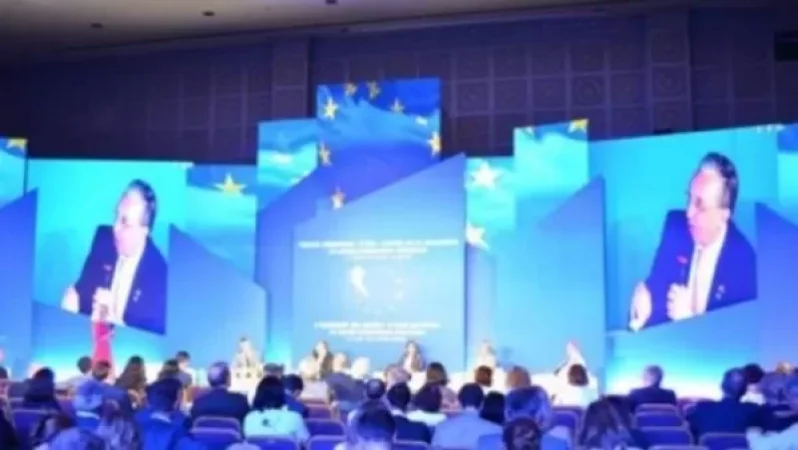
Turkey rejects the establishment of diplomatic relations with Armenia and continues its policy of blockading the country, accompanied by denial of justice. This poses a security threat to Armenia, stated Armenia's Foreign Minister Zohrab Mnatsakanyan at the 16th International Conference in Batumi, Georgia, which commenced on July 11, dedicated to the 10th anniversary of the Eastern Partnership and summarizing achievements over the past decade.
As reported by the press and public diplomacy department of the Ministry of Foreign Affairs of Armenia, opening speeches were delivered by Georgia's Foreign Minister David Zalkaliani, Prime Minister Mamuka Bakhtadze, and President Salome Zurabishvili. Donald Tusk, President of the European Council, also spoke at the event on the topic of “Europe on the Eve of a New Decade.”
Foreign Minister Zohrab Mnatsakanyan participated in the third session, discussing “The Eastern Partnership as a Factor of Democratic Transformation.” Within the context of the Eastern Partnership initiative aimed at promoting democracy, Minister Mnatsakanyan noted that the Eastern Partnership is not just a region characterized by European neighborhoods, but part of Europe based on common values. “These are our common values, values that we have chosen as the foundation of our state-building since the very first day of our independence declaration in 1991. When we draft a bill, we send it straight to the Venice Commission, not to another institution, because we want to consider the compliance of that draft with European standards. And it is in this context that the European Union has been one of the cornerstones of Armenia’s comprehensive security architecture for 28 years, particularly in terms of strengthening democratic institutions and instilling values,” emphasized the Armenian Foreign Minister.
In this context, he highlighted the role of public institutions in making values applicable. According to the Minister, the EU has played a crucial role as a partner in effectively building strong democracy in Armenia through its continuous support and involvement in the construction of robust institutions; this is at the heart of EU-Armenia cooperation.
“Democracy is about Armenia. The events that took place in Armenia in April and May 2018 showcased the strength and capability of Armenian institutions to respond to such changes and elevate us to a higher level of democratic development. This was something that could not be accomplished overnight; it was the result of years of strengthening state institutions, civil society, and the press,” noted the head of Armenia's foreign office.
In his address, Zohrab Mnatsakanyan acknowledged the trends of democratic backsliding and the devaluation of human rights, which are genuinely concerning and suggest the need for collective efforts. The Foreign Minister pointed out that 2018 was a year of significant progress that related exclusively to Armenia and had no relation to geopolitics—a reality that was not easy to present to partners. “We patiently addressed this issue. What happened in Armenia is not a geopolitical development. It should not be attempted to seek some external undercurrents in Armenia’s internal political processes, as they simply do not exist,” he emphasized.
Within the context of security challenges for Eastern Partnership countries, Armenia's Foreign Minister stated, “For Armenia, Turkey represents a security threat. For 27 years, Turkey has been rejecting the establishment of diplomatic relations with Armenia and continues its policy of blockading the country, which is accompanied by denial of justice; this is a security threat for us.”
In his speech, Minister Mnatsakanyan expressed hope that common European values will not be compromised while searching for new partners, new opportunities, and pathways for diversification, and that the EU will remain steadfast in its principled position to preserve them. He also highlighted the paramount importance of civil society, stressing that their role must not be overlooked as they are integral to public discussion and decision-making. “In the context of the Armenia-EU Comprehensive and Enhanced Partnership Agreement, we have adopted a new working style for conducting common discussions with broad involvement of civil society,” he added.
Նմանատիպ հոդվածներ

Ավելին Society բաժնից
Նոր մանրամասներ Ջրաշենի նախկին ղեկավարի ու նրա ծնողների դանակահարության դեպքից
Դանակահարել են Ջրաշենի նախկին վարչական ղեկավարին ու ծնողներին. նրանք ծանր վիճակում են
Կիևյան կամրջի շուրջ նոր ապատեղեկատվություն է տարածվում. պարզաբանում քաղաքապետարանից