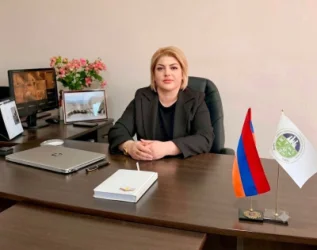
Sevan's Sig Fish Continues to Be Sold in Canned Form: Arthur Grigoryan
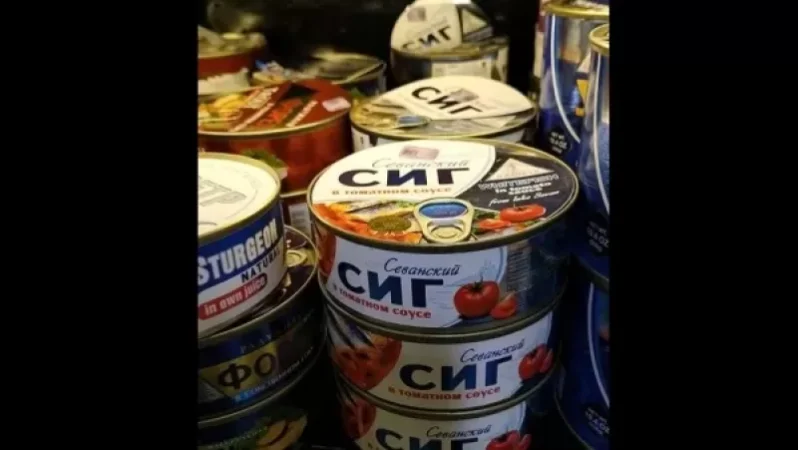
Former head of the Environmental and Subsoil Inspectorate, Arthur Grigoryan, addressed the issue of the "blooming" of Lake Sevan on his Facebook page and shared images of canned sig fish. Here is Grigoryan's full post:
"They say Lake Sevan is 'blooming.' The lake cannot bloom; this phenomenon has a specific name: eutrophication, or marshyization. They say we are all to blame for this, or either the new government or the old one. Not all of us are responsible; specific people are to blame. These people have been responsible for the lake's ecosystem for many years and have led us to this situation. The same people are now in their same positions, using the same methods: the new is just the old, what have you done that's new or old? Let me tell you a story about an unfulfilled inspection, then we can discuss.
The marshyization of Sevan is a human phenomenon. I am not a chemist, but many experts described this situation years ago as irreversible, non-restorable damage if they keep playing with the lake's ecosystem. I will present the issue within the context of an inspection; make your own conclusions. I must also emphasize that a comprehensive inspection has never been conducted in Sevan, NOT ONCE.
At the end of January this year, we were preparing to conduct an inspection at the 'Sevan' National Park—dozens of citizens had lodged complaints about the illegal fishing of sig fish, as markets were bustling with this species, even though sig fish industrial fishing is generally prohibited. I had sent a request to the head of the territorial subdivision to take action; he sent hundreds of photos featuring boats and vehicles collecting fish, some reaching about a thousand. Based on my request, the head of the territorial subdivision reported to me about the necessity of an inspection in the national park, and I was about to issue an order for the inspection the very next day after my resignation.
This is the prescribed procedure for conducting an inspection based on a complaint. Two weeks earlier, at the beginning of January, through protocol service, I contacted Prime Minister Pashinyan, describing the issue, the inefficacy of joint oversight, and suggested discussing the matter. I was told to formalize the issue and send it to the Prime Minister in a report. I presented information based on preliminary calculations indicating that the fishing of sig fish is not a social issue, as it has been portrayed by those responsible for its preservation, but a specific shadow business with tens of millions of dollars in turnover according to preliminary data. I noted that following the inspection on these matters, I would present concrete and substantiated information.
The Prime Minister discussed this issue during a government meeting and angrily instructed the Minister of Environment to resolve the matter with the police, Gegharkunik Governor’s Office, and the Environmental Inspectorate. A few days later, we had a meeting with the police chief and the entire team; I presented canned sig fish purchased from a store, which were labeled indicating they are also being exported. We also sent a separate letter to the Food Safety Inspectorate, as without the legal basis for raw material acquisition, sig fish can’t go through veterinary and sanitary expertise and other necessary food safety processes.
In fact, people are now openly fishing, selling, reselling, canning, and exporting across the customs border without paying the state's natural resource usage fee, and we are saying there is no more corruption in Armenia; that used to be the case, now the same process continues exactly as it was—it has never actually ceased to exist, yet it no longer counts as corruption. The Inspectorate had also planned to conduct comprehensive inspections at 'Sevan' National Park in the second quarter of this year, and that was no secret to anyone, by the way. I want to mention the main issues of inspection:
- The entire process of fish breeding in the lake using cage methods, including the compliance and impact of artificial feeds on the Sevan ecosystem, nitrogen impact from fish waste that settles to the lakebed, the reality of juvenile fish production, etc.
- The legality and impact of wastewater flowing from adjacent 'objects' into Sevan (are there any water supply contracts, or is water taken from Sevan for food preparation, with wastewater being returned to the lake through adjacent pipes?).
- The legality of widespread leasing and development of shoreline areas (based on preliminary data, prominent figures like Vova Gasparyan, Seyran Ohanyan, Aram (Bulk) Harutyunyan, and others own houses right by the lake). This is absolutely illegal, and literally no steps have been taken to regulate the issue. The inspectorate was supposed to be the inspecting body, and everyone knew this!
- Legal status of crayfish fishing in the lake, as from data at hand, a specific ton of crayfish extracted from the lake makes a journey through the documentation of several companies, ultimately ending up with unclear handling.
- Were cleaning activities in adjacent areas and acquisition of equipment done properly, or has the same area been 'cleaned' multiple times while funds were received for different segments?
- How is the fish stock being monitored—could it be that about 10-15 people are making good business under the pretext of a 'social issue,' and this question doesn't need regulation?
- The impact of the Sotk mine on the lake's ecosystem and many other questions.
The Inspectorate also had a nasty habit—when studying major issues, they would dismantle and radically uproot related corruption mechanisms. Following inspections of the national park, we were meant to check interlinked objects to see what the 'Arpa-Sevan' tunnel renovation delays were connected to—could it be that an unreasonable number of HPPs constructed on the Yeghgis River are in need of water, and therefore it is not profitable to launch the tunnel on time since the water from the Sevan section would be diverted to the Yeghgis River while the lake's level would not rise, and the objects owned by the prominent figures would not be flooded? Could it be that the shareholders of the Sevan-Hrazdan hydro cascade have become unjustly wealthy due to releasing too much water from Sevan and are interested in releasing even more, is there a mechanism for accounting for excess electrical energy?
In short, just one week after the meeting with the police chief, the Prime Minister, while in Davos, signed my dismissal order. An inspection in Sevan has yet to take place."
Նմանատիպ հոդվածներ
Ավելին Society բաժնից
Նոր մանրամասներ Ջրաշենի նախկին ղեկավարի ու նրա ծնողների դանակահարության դեպքից
Դանակահարել են Ջրաշենի նախկին վարչական ղեկավարին ու ծնողներին. նրանք ծանր վիճակում են
Կիևյան կամրջի շուրջ նոր ապատեղեկատվություն է տարածվում. պարզաբանում քաղաքապետարանից