First Liver Transplant Performed in Armenia: 20-Year-Old Daughter Saves Mother's Life
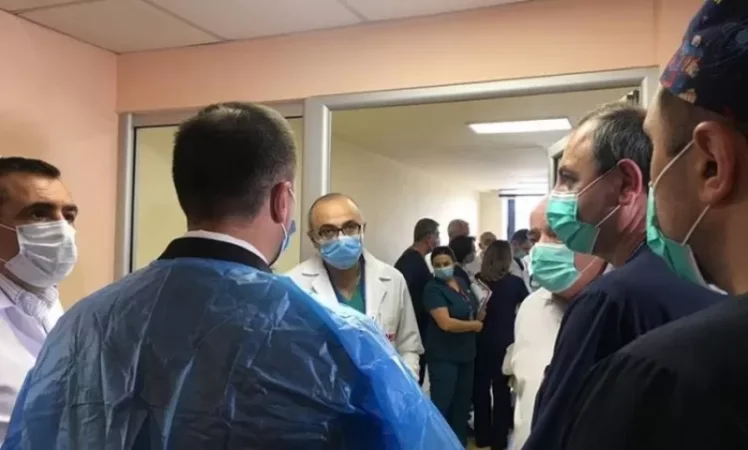
The first liver transplant in Armenian medical history has been successfully performed. A 20-year-old girl became a donor to save her mother's life.
This complex surgical intervention was carried out by specialists from the "Astghik" medical center in Yerevan, with support from their colleagues in Moscow, following two years of joint preparatory work. After an eight-hour operation on April 24, both the donor and recipient, the mother, are reported to be in stable and predictable condition. The 56-year-old woman had been diagnosed with liver cirrhosis years earlier, which necessitated the transplant.
The daughter is expected to be transferred from the intensive care unit to a hospital room soon. The mother will require intensive therapy for a longer period. Currently, the recipient's condition does not give doctors any cause for concern: she is conscious, breathing independently, and her cardiovascular system is functioning normally without artificial support. "However, it is clear that a long and intensive treatment is required for these patients to go through the recovery process," said Sergey Voskanyan, the Deputy Director of the Surgical Division at the Burdenko State Medical Scientific Center in Moscow, at a press conference today.
He noted that the survival rate for patients who receive liver transplants is around 90 percent. Although doctors are cautious about making predictions regarding the recipient's future condition, they state that such procedures are only carried out when all risks to the donor are eliminated. "Risks for the donor must be minimized; otherwise, such intervention cannot take place," Voskanyan emphasized.
According to him, the quality of the girl’s future life will remain unchanged, and she will return to her daily routine within a short time. "The liver is a unique organ: it is the only organ in the human body that can regenerate itself and grow significantly in a healthy state, meaning it can become two organs. Essentially, one liver becomes two: part goes to the recipient and can grow to the size of a full liver. The same happens with the donor. Moreover, this occurs rapidly—within a month to a month and a half after surgery," the Russian doctor explained.
This first liver transplant was performed free of charge. In various countries, the average cost of such interventions is around $100,000. Several more transplants are planned in the near future, which will also be provided free of charge. The Minister of Health clarified that this development aims to enhance the capabilities and skills of specialists. These transplants will also continue to be conducted with the support of specialists from the Moscow center. "I believe that at this stage, we will continue to collaborate because these surgeries contain thousands of nuances, and one operation is not sufficient to cover this entire path. It is quite a long journey. But in general, I am very hopeful that in the near future, my Armenian colleagues and friends will be able to do this independently. There is no doubt about it," Voskanyan mentioned.
Health Minister Arsen Torosyan, reiterating the need for developing transplant medicine in Armenia, said: "Yesterday's successfully performed operation is a major and significant step in this direction. I would like to thank the management and medical staff of the 'Astghik' medical center and our colleagues from the Russian Federation for this achievement. I can say that when we draft the budget request for next year, we will take into account this trend in the country so that as many transplants as possible can be performed and will determine the extent of state participation. I hope that the allocated funds will gradually increase because we understand that these procedures are quite expensive." The minister had difficulty specifying what additional budget funds would be allocated to liver transplants and the extent of state financial involvement in this process. "For example, in the case of kidney transplants, the state currently provides 2.5 million dram, and the patient pays another 2.5 million dram. It is possible that we can increase the number of patients; for instance, if we can currently afford to treat 10 patients, we could expand it to 20. In the case of the liver transplant, we need to understand from scratch what we will do, as it is much more expensive and fewer people will be able to benefit from it. We also need to consider cost-effectiveness since this is the first case and we do not even know how much the actual cost will be," Torosyan said.
According to the minister, deceased organ donation medicine will also be developed in Armenia to save lives through the use of organs from deceased individuals. "Almost all legal documents are ready, but extensive organizational work is required to establish a registry of donors and recipients, organize logistics, and address the retraining of doctors, which we are currently working on with our foreign partners."
Individuals who do not wish to become posthumous donors must submit a relevant application. "Our country operates on an opt-out basis, meaning that if someone does not want their organs to be used after death to save others' lives, they can refuse. This mechanism is not yet operational, but it will be implemented," Torosyan noted. He added that global experience shows that the number of refusals does not reach even one percent of the population of the country.
Նմանատիպ հոդվածներ


Ավելին Other բաժնից
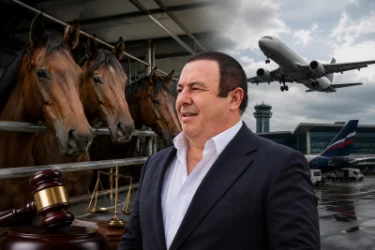
11:00 Լուրերը մեկ տողով. Հետաձգվել է Ծառուկյանի ձիերի առգրավումը, սկանդալ Երևան-Մոսկվա չվերթի հետ կապված
10:00 Լուրերը մեկ տողով. Մանդատների բաշխում, ձերբակալություններ Երևանում, չվճարված աշխատավարձեր

09:00 Լուրերը մեկ տողով. Հայ-վրացական սահմանին տիրող քաոս, ԱՄՆ-Իրան բախման ահագնացող վտանգ