Response of 'Zhoghovurd' Newspaper to the NSS Statement
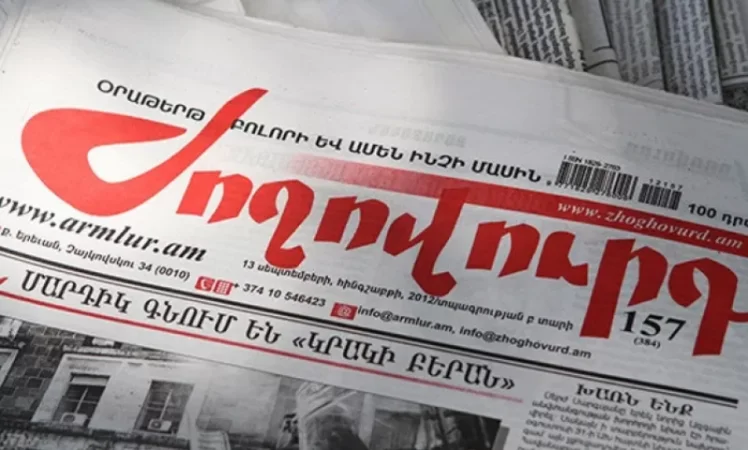
The editorial office of 'Zhoghovurd' newspaper has responded to the statements made by the Special Investigative Service (SIS). We present it below:
For two days now, the SIS of the Republic of Armenia has been publishing official statements (A criminal case has been initiated regarding the publication of preliminary investigation data; the publication of information containing preliminary secrecy may lead to criminal liability) mentioning 'Zhoghovurd' newspaper.
This investigative body is seriously concerned that the newspaper has published testimonies from some former and current officials (Felix Tokhoyan, Gurgen Melkonyan, and Serzh Sargsyan) regarding the March 1 case. However, we have done so in compliance with the Law on Mass Media of Armenia.
Article 9, clause 3 of the law states: 'A media outlet shall not be liable for disseminating information that is classified by law as secret, if such information was obtained by legal means, or if it was obvious that it was classified by law.'
If a media outlet disseminates information that is clearly designated as secret by law, but such dissemination arises from the necessity to protect public interests, it shall not be held liable.
For 'Zhoghovurd' newspaper, the public interest takes precedence. Any novice lawyer understands that the legal target of the SIS is not 'Zhoghovurd' newspaper, which is merely the distributor of information, but rather the person or persons who provided the data about the March 1 case to the journalist, meaning the publisher is those individuals. Incidentally, those disclosures could have been made in other ways, including brochures or via the internet. In this case, the SIS’s targeting towards the name of 'Zhoghovurd' newspaper is at least questionable.
Article 201 of the Criminal Procedure Code of the Republic of Armenia clearly defines who is prohibited or allowed to publish preliminary investigation data.
'1. Preliminary investigation data may only be published with the permission of the body conducting the proceedings.
2. When necessary, the investigator or the investigation body shall issue written warnings to witnesses, victims, civil plaintiffs, and civil defendants, their representatives, experts, interpreters, and other participants in the proceedings regarding the obligation not to publish preliminary investigation data without permission.'
In none of the listed statuses does 'Zhoghovurd' newspaper fit. This means that the newspaper is free in its actions to publish what is not prohibited by journalistic ethics or the law on mass media. What has 'Zhoghovurd' newspaper done? Did it publish lies? NO. Did it slander? NO. Did it disgrace anyone's good name? NO. It merely published testimonies regarding the highly controversial March 1 case at a time when the investigative body, the SIS, had completed its preliminary investigation and sent the information to the parties for review. If there is an objection, it can only come from the individual whose testimony has been published. However, we must also disappoint the SIS here, as even they cannot contest anything since they are public figures, former key officials, and 'Zhoghovurd' newspaper serves the public interest by disclosing crucial details about an important criminal case to the public.
Let us recall that the Court of Cassation of Armenia has previously ruled that if the narrative part of a criminal case indicates actions of a physical person (including legal entities), this violates the fundamental right to the presumption of innocence. Therefore, we are now considering when we will contest the SIS's targeting against 'Zhoghovurd' newspaper in court, as the two statements issued have violated the presumption of innocence and tarnished the newspaper's reputation.
Now let us turn to the so-called preliminary 'secret' or 'data' and note that there is no provision in Armenian legislation that defines what constitutes preliminary secrecy or data.
And since there is none, we cannot claim either what can be legally published or what cannot be. The SIS's statement, which contains a near threat that publishing preliminary investigation or investigation data without the permission of the prosecutor, investigator, or investigator's representative is punishable by fines ranging from one hundredfold to three hundredfold of the minimum wage or imprisonment for up to one month, is nothing more than pressure on the press and free speech. We should also note that the European Court of Human Rights has established an important principle that preliminary investigation bodies should not arbitrarily interpret the concept of preliminary secrecy. If arbitrary interpretations are to be made, then the name of the accused could also be considered a preliminary secret, which means that the preliminary secrecy in the March 1 case was revealed by head of the SIS Sasun Khachatryan during a press conference held on September 11, where he disclosed many secrets of the preliminary investigation, including a list.
PS: The SIS’s statement includes a warning: 'An individual suspected or accused of a crime is considered innocent until proven guilty by a court decision that has entered into legal force under the rules established by the Criminal Procedure Code of the Republic of Armenia.' However, the statement does not specify who the accused or the suspect is. Perhaps the SIS has already reserved such a status for us?
The editorial office of 'Zhoghovurd' newspaper.
Նմանատիպ հոդվածներ



Ավելին Society բաժնից

Երևանում կներկայացվի ՀՀ ռազմարդյունաբերական ներուժը
Բացահայտվել է ընտրական բնույթի 78 հանցագործություն․ 24 անձ ձերբակալվել է
Գործարկվել է Բաքու–Թբիլիսի–Կարս երկաթուղին․ ներկա է եղել ՀՀ նախարարը