What Did Pashinyan and Balasanyan Discuss?
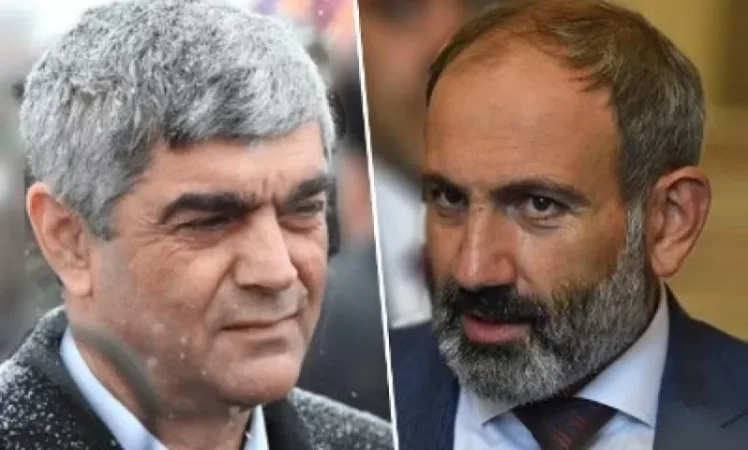
The "Zhamanak" newspaper reports that Prime Minister Nikol Pashinyan, who visited Artsakh for a joint meeting of the Security Councils, also held a meeting on so-called internal political issues, specifically with Vitaly Balasanyan, a candidate for the presidency of Artsakh and the Secretary of the Artsakh Security Council.
As is known, the presidential elections in Artsakh are to be held in 2020, and this event is undoubtedly important both from the perspective of intra-Artsakh relations and for Armenia’s internal political realities. This issue takes on particular significance in the context of the Velvet Revolution in Armenia and the new political strategy of the Armenian government regarding the Artsakh issue.
Pashinyan has stated that Armenia is pursuing a policy of raising the subjectivity of Artsakh. This means that Armenia should strive not to interfere in the process of forming Artsakh’s leadership. At the same time, it is clear that the Armenian government cannot be disinterested in this matter, and the logic of Artsakh's internal political processes cannot be the same for Yerevan.
For example, in the Armenian judicial system, the possibility of influence from the former system becomes quite tangible if there is no intervention. It is indisputable that there are various factions of Armenia's former ruling system with interests and some influence on the Artsakh process, including close ties with the current leaders of Artsakh.
This outlines a potential correlation and question: will the former ruling system of Armenia attempt to transform the presidential election in Artsakh into a resurgence of rejection or failure in Armenia, using the interests of interested circles in Artsakh and their influence there? Or will the 2020 elections be used to establish an Artsakh political reality and leadership aligned with the new Armenia and its new policies and approaches regarding Artsakh?
Were such questions discussed during Pashinyan's visit to Artsakh, and was there a meeting with Vitaly Balasanyan, and in what context? Ultimately, the very fact of the meeting should not be surprising, but it also cannot mean that the issue of support for Balasanyan from Yerevan was on the agenda.
It is evident that almost all presidential candidates in Artsakh will try in every possible way to find any thread to suggest references to Yerevan's support, or to present every thread as a channel of evidence for such support. This is beyond doubt.
And it is clear here that Yerevan should not allow such speculation, especially concerning circles and figures that are directly associated with the former system of Armenia, regardless of their wartime merits. Ultimately, it is also time to differentiate between these matters in terms of political futures and the heroic achievements of the past. One of the significant issues from the previous phase in Armenia and Artsakh has also been the unnecessary and often manipulative mixing of these concepts, from which both Armenia and Artsakh should free themselves, placing the heroic past in its place and addressing political future issues separately. In this case, everything gains much greater effectiveness for public and state interests, security, and the future.
For more details, refer to today’s issue of the newspaper.
Նմանատիպ հոդվածներ
Ավելին Politics բաժնից
Ալեն Սիմոնյանը հայտարարել է՝ որ կուսակցությունները ընդհանրապես մանդատ չունեն
Ռոբիկը եթե ուզում է, կարող է մանդատը վերցնել ու գալ ԱԺ․ Վահագն Ալեքսանյան
ԿԸՀ–ն հրապարակեց ընտրությունների վերջնական արդյունքները