The Government is Abandoned to Inaction: Arthur Ghazinyan

Arthur Ghazinyan, the head of the Center for European Studies, commented on the prevailing situation in the country on his Facebook page, stating:
“In a state with a parliamentary governance system, the parliament is effectively not functioning. In the agenda of the National Assembly of the Republic of Armenia for the sessions held on March 5, 2019, there are only 2 questions, both initiated by members of the National Assembly. What does this mean? After the change of power, Armenian society was filled with great expectations for transformation, the overwhelming majority of which was supposed to be reflected in radical changes to the legislative regulations adopted by the previous governments. For this purpose, a new government was formed, which committed to implement large-scale legislative changes within a short timeframe in the crucial laws regulating Armenia's political and economic life. The electoral code, the law on political parties, the tax code were mentioned, and changes were planned to the law on higher education to separate management councils from state governance. These changes were not made in the 6th convocation of parliament, justifying it with the fact that they did not have a political majority in parliament. After the snap parliamentary elections, the newly elected parliament appointed a Prime Minister and formed a government, albeit with a third of its members, but the situation did not change. The government is abandoned to inaction, failing to develop and present bills to the parliament that would improve the economic situation, simplify tax administration, and establish clear, understandable, and acceptable rules for entrepreneurs. Can we state that the new government lacks a clear vision and concept for reforms, or is it that the legislative system inherited from the previous authorities satisfies the current powers, and there isn’t much to change? If so, then why are we maintaining a 132-member parliament at the expense of taxpayers, paying them salaries, organizing business trips, providing service vehicles, office workers, assistants, and maintaining a large staff?”
Նմանատիպ հոդվածներ


Ավելին Politics բաժնից

Ադրբեջանի դարաշրջանն ավարտվում է. Նարեկ Կարապետյանը՝ էներգետիկ հեղափոխության մասին
Ապացուցել ենք՝ մեր դրոնները խոցում են նույնիսկ Մոսկվայից հեռու գտնվող թիրախները. Զելենսկի
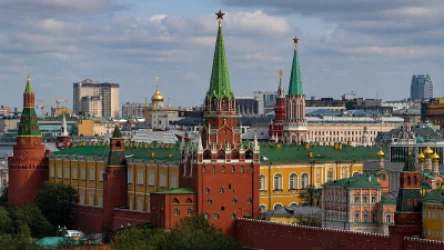
Կրեմլը «վաղաժամ» է համարում օդային դադարի մասին հաղորդագրությունները