Please Do Not Be Offended: Anna Hakobyan
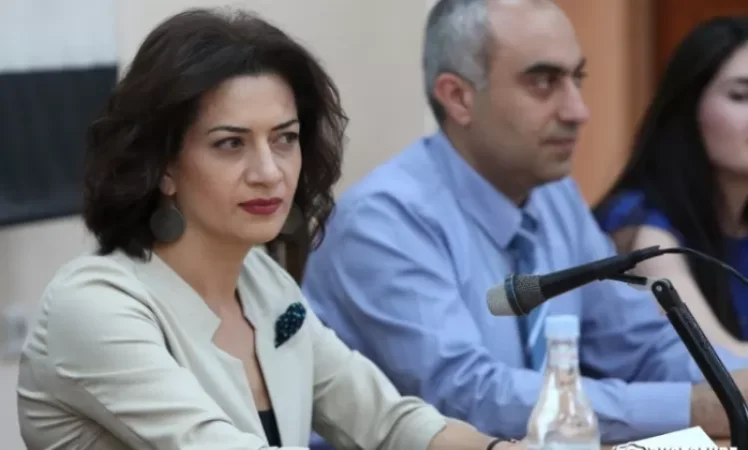
The wife of the Prime Minister of Armenia, Anna Hakobyan, writes on her Facebook page:
“Dear journalists,
Please do not be offended :) This is not the first time I am writing about articles from Armenian media regarding our issues. Below are excerpts from three different articles I have written previously. Please pay special attention to the dates.
If we do not acknowledge that we have a problem, we will never be able to solve it.
1. “...Of course, all media outlets in the world use anonymous sources, and the information obtained from them can sometimes be the most valuable. However, each media outlet releases such content twice a month, or at least once a week. Moreover, the more reputable the media is, the less often such news appears, which in turn reduces the likelihood of error.
It’s hard to tell since when, but a lion's share of the production of Armenian media consists of information obtained from reliable sources. These, as a rule, do not turn out to be true, but it seems that no one is particularly concerned about this. For example, one can write four times in a month that there will be an amnesty next month, because that’s what reliable sources from the presidential residence report. Then write five times that there are problems regarding the amnesty issue. Then again write that reliable sources convey that in any case there will be an amnesty, but they are a bit hesitant to say exactly when.” — Serzh Sargsyan is preparing Vigen Sargsyan as his successor. Source: extremely reliable. / Haykakan Zhamanak / 18/11/2016
2. “...Another bizarre habit: journalists transfer the conversation to a philosophical domain during one-on-one meetings with the Prime Minister and other high-ranking officials, where officials usually have the upper hand, thus providing the media with extremely uninteresting material. Meanwhile, interesting and real political processes are rarely asked about directly.
They are either not written about at all or mentioned in a manner worthy of ‘Gossip.’ For instance, currently, processes surrounding the electoral lists of various parties, the question of whether Gagik Tsarukyan will return, the possible coalition between the ARF and the Republican Party, the relationships between Karen Karapetyan and Republicans, and many other topics are not entertainment topics; they are political processes. It is not shameful that discussions are ongoing regarding the lists.
It is not shameful to ask normal questions to representatives of parties regarding this, and there is no need to use the word 'chaos' during this process... Ultimately, for a professional journalist, it does not matter whether they are working at opposition media or pro-government. In terms of professionalism, there are absolutely no barriers; even the most skilled and aggressive officials retreat before professionals. Any question can be asked of any official and interesting answers can be received. This benefits everyone: the official, the society, the state. Perhaps the level of politics will also rise.” — Government vs. Editors: What Was the Reason for the Outrageous Failure? / Haykakan Zhamanak / 07/12/2016
3. “...In recent years, electronic media have emerged in Armenia, which do not expect anything from the public in return for their services. These media outlets do not have such a problem set from the start and do not pursue it. This means that even if nothing else remains, these media outlets exist and continue to exist. However, as the saying goes, there is no such thing as a free lunch. In this case, society will inevitably pay for the services of these media outlets, but this payment will not be in monetary form. But what that payment will be is a completely different topic for discussion.
Another saying is that free things are not good. Ultimately, society, which currently enjoys the luxury of obtaining information from a large number of sources and selecting among them—a new phenomenon for them—will inevitably face disappointment and information hunger. Because all media outlets that do not have a problem selling their product have many restrictions on publishing certain information and analyses, which creates more misinformation than actual news.” — The Crisis of Armenian Media: One Article, Tens of Thousands of Readers, and Where is the Crisis? / Haykakan Zhamanak / 19/10/2017
Postscript: My concerns have deepened only because of my current status, as my problem—your problem—has become much more visible to me since I found myself on the other side of the journalists. And every media quality failure I accept as a personal insult, they infringe upon my journalistic pride, regardless of the medium in which they appear, who finances it, and what goals those materials pursue.
Armenian media must be at the top regardless of everything—powerful forces, politics, parties. After all, leaders, governments, and parties come and go, while the press always remains, and the press must always be in its high positions.”
Նմանատիպ հոդվածներ
ԹԱՐՄԱՑՎԱԾ. Ավտոբուսների վարորդները գործադուլ են անում. Տասնյակ մարդիկ կանգառներում են մնացել

Video: Female Taxi Driver Forces Passenger to Wash with Green Soap
Car Prices Expected to Increase by 4 to 5 Times; Poultry, Flour, Oil, Gold and Diamond Jewelry Will Also Rise
VIDEO: The Car Tried to Run Me Over, Saying 'Isn't it Enough to Do It on Our Prime Minister?' - Malyan
Ավելին Society բաժնից
Ալեն Ղևոնդյանին արգելվել է հրապարակումներ անել և հավաքների մասնակցել
Բացառիկ պատմական արժեք ներկայացնող նվիրատվություն՝ Մատենադարանին
Մարգարայի անցակետում ուշագրավ զարգացում է արձանագրվել